Every product is independently reviewed and selected by our editors. If you buy something through our links, we may earn an affiliate commission at no extra cost to you.
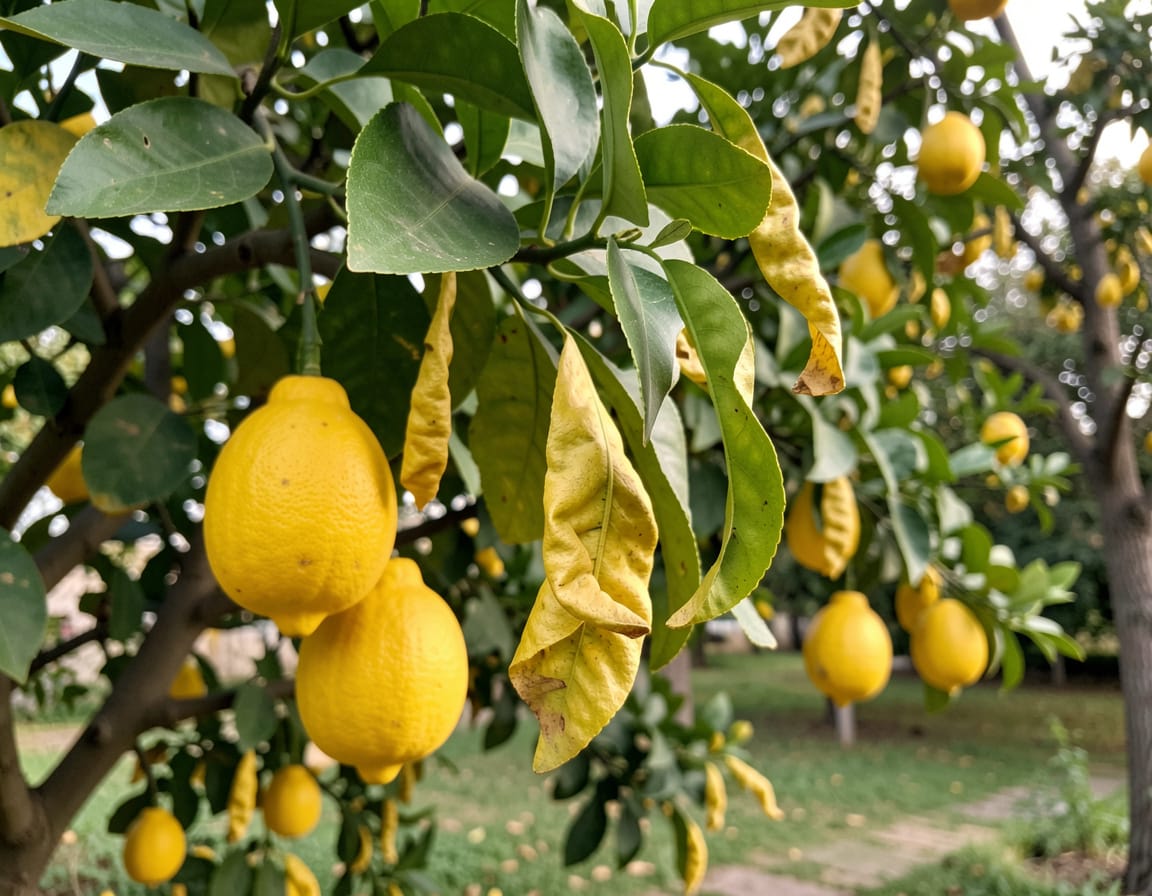
If you grow lemons at home whether in a pot on the balcony or in a sunny corner of the backyard you’ve probably asked at some point: “Why are my lemon tree leaves curling and falling off?”
I’ve dealt with this many times in my own container-grown citrus, especially during seasonal transitions. Curling, yellowing, and leaf drop are your lemon tree’s way of saying something in its environment is off balance. The good news: once you identify the cause, lemon trees bounce back quickly.
This guide breaks down the real reasons this happens (based on hands-on gardening experience), plus simple, beginner-friendly fixes you can apply immediately.
Why Lemon Tree Leaves Curl and Drop: The Science in Simple Terms
Lemon leaves curl or fall off when the tree can’t move water or nutrients properly. That usually happens because of:
- Stress in the roots (watering, soil, drainage)
- Stress in the air (temperature, humidity, wind)
- Stress on the leaves (pests, sunburn, shock)
- Stress on the nutrient cycle (deficiencies or overfeeding)
Citrus is hardy, but it responds dramatically and visibly to small environmental changes especially when grown in containers.
What You’ll Need
- Watering can with a narrow spout
- Moisture meter or a simple finger test
- Neem oil or insecticidal soap
- Balanced organic citrus fertilizer
- Mulch (wood chips, straw, or dried leaves)
- Well-draining potting mix (for repotting if needed)
- Pruning shears (optional)
Budget-friendly alternatives:
- DIY soap spray (1 tsp mild soap per liter of water)
- Homemade compost as a nutrient top-up
Eco-safe options:
- Neem oil
- Organic slow-release citrus feed
- Coconut coir + perlite for improved drainage
1. Underwatering (Most Common in Container Lemons)
Signs:
- Leaves curl inward like tacos
- Dry, crisp leaf edges
- Soil pulling away from the pot edges
- Leaf drop after hot days
Why it happens:
Potted citrus dries out faster than most fruiting plants. In full sun, mine can dry out in two days during summer.
Fix:
- Water deeply until water drains from the bottom.
- Ensure the whole root ball is moist (dry centers are common).
- Add a thin layer of mulch to slow evaporation.
Watering rule: Water when the top 2–3 inches of soil feel dry not before.
2. Overwatering or Poor Drainage
Signs:
- Leaves curl downward or droop
- Yellow leaves that fall off easily
- Soil stays wet for days
- Mushy or sour-smelling soil
Why it happens:
Lemon roots need air. Constantly wet soil suffocates roots and triggers fungal root rot.
Fix:
- Check drainage holes unclog if blocked.
- If soil stays wet >3 days, repot in:
- 40% citrus potting mix
- 30% compost
- 30% perlite or coarse sand
- Water less often but deeply.
Experience tip: Every lemon tree I’ve seen fail in containers had soil that stayed too wet, not too dry.
3. Sudden Temperature Changes
Signs:
- Leaves curl overnight
- Leaf drop after cold winds
- Burned leaf tips after heatwaves
Why it happens:
Citrus hates abrupt shifts especially the transition from warm indoor air to cool outdoor evenings.
Fix:
- Protect from cold drafts below 50°F (10°C).
- Move potted lemons gradually when transitioning indoors/outdoors.
- Provide afternoon shade during heatwaves.
Real garden note: My balcony lemon drops old leaves every year during the first cold snap—even though the tree is otherwise healthy.
4. Pests (Aphids, Spider Mites, Leaf Miners)
Signs:
- Curling that starts on new leaves
- Sticky leaves (honeydew)
- Tiny webs or speckles
- Serpentine trails inside leaves (leaf miner)
Fix:
- Spray neem oil weekly for 3 weeks.
- Rinse leaves with water to remove pests.
- For leaf miners: prune affected leaves; prevent new damage with neem.
Beginner mistake: Ignoring the undersides of leaves 90% of pests hide there.
5. Nutrient Deficiency (or Overfeeding)
Signs:
- Curling + yellowing between veins
- Pale new leaves
- Leaf drop after applying fertilizer
Why it happens:
Lemons are heavy feeders, especially in pots. But they are also sensitive to strong, synthetic fertilizers.
Fix:
- Use a slow-release citrus fertilizer every 6–8 weeks (spring–summer).
- For potted plants: feed lightly but consistently.
- Add compost twice a year for organic micronutrients.
Pro tip: If in doubt, feed less but more often. Sudden strong feedings can burn roots.
6. Sunburn
Signs:
- Curling outward
- Pale, bleached patches
- Brown dry spots on upper leaf surfaces
Fix:
- Provide shade cloth during peak summer heat.
- Move container lemons to morning sun + afternoon shade.
7. Transplant Shock
Signs:
- Curling and leaf drop 2–10 days after repotting
- Limp or wilting leaves
- No pest or disease signs
Fix:
- Keep soil lightly moist—not soaked.
- Keep tree out of direct harsh sun for 1–2 weeks.
- Avoid fertilizing until new growth appears.
Pro Tips & Best Practices for Healthy Lemon Leaves
- Water early morning to reduce stress.
- Use light-colored pots to avoid root overheating.
- Rotate your pot monthly so growth stays even.
- Don’t prune heavily during peak summer or winter.
- Mist leaves lightly during heatwaves but never at night.
- Check your pot’s drainage yearly; soil compacts over time.
What beginners often miss: If your lemon tree is in a pot, soil breaks down after 2–3 years and drainage deteriorates leading to leaf curl and drop even with perfect watering. Refreshing the soil solves this.
FAQ
Why do lemon leaves curl after watering?
If they curl after watering, the soil is likely staying too wet. Improve drainage and reduce frequency.
Can a lemon tree recover from leaf drop?
Yes. Lemon trees regrow leaves quickly in warm weather once the stress is removed.
Why are only my newer leaves curling?
This usually points to pests like aphids or leaf miners targeting young, tender growth.
Should I remove curled or damaged leaves?
Only remove leaves that are dry, crispy, or badly infested. Slightly curled leaves can still photosynthesize.
Can cold nights cause leaf curl?
Absolutely. Even one night under 45°F (7°C) can trigger curling and drop within days.
How often should I water a potted lemon tree?
Typically every 3–7 days depending on weather, but only water when the top few inches are dry.
When NOT to Use Certain Fixes
- Don’t add fertilizer if the tree is already stressed by cold or root rot.
- Don’t repot in winter or during a heatwave.
- Don’t increase watering until you confirm the soil is actually dry.
- Don’t spray neem oil during midday sun (it can burn leaves).
Alternatives If Your Situation is Different
If your climate is very hot:
Try self-watering pots or mulch with wood chips.
If your climate is cold:
Grow lemons in a container you can move indoors under grow lights.
If pests are constant:
Yellow sticky traps + weekly neem oil keep populations down.
If drainage is the issue:
Terracotta pots outperform plastic for citrus because they breathe.
Conclusion
Curling and dropping leaves are your lemon tree’s early warning signals that something in its environment needs adjusting. The most common causes are:
- Incorrect watering (too much or too little)
- Temperature stress
- Pests
- Nutrient imbalance
- Sunburn or shock
Once you correct the underlying issue, lemon trees recover reliably. They’re tougher than they look they just like consistency.
Take your time, observe your tree, adjust one variable at a time, and you’ll see fresh, glossy green growth return.
If you’d like, I can help you diagnose your exact situation. Just tell me:
- Is your lemon tree in a pot or in the ground?
- How often do you water?
- What does the soil look and feel like?
- Any pests visible?
