Every product is independently reviewed and selected by our editors. If you buy something through our links, we may earn an affiliate commission at no extra cost to you.
A bare balcony railing is wasted growing space. With the right round hanging railing planters, that overlooked edge can become a productive herb garden, a cascading flower wall, or a privacy screen of greenery. The key isn’t just hanging any planter it’s choosing the right size, material, soil system, and plant combinations that actually thrive in elevated, fast-drying conditions.Many small-space gardeners struggle with limited square footage. Floors fill up quickly with pots. Sunlight is uneven. Water drains onto neighbors. Plants dry out faster than expected. Round hanging railing planters solve these challenges by:
- Utilizing vertical space efficiently
- Improving airflow and drainage
- Maximizing light exposure
- Keeping walkways clear
But success depends on understanding weight limits, soil structure, drainage behavior, and plant root depth. In this guide, I’ll walk you through how to choose, install, plant, and maintain round railing planters so they perform reliably not just look good for a week.
Why Round Hanging Railing Planters Work So Well in Small Spaces
Vertical Gardening Increases Usable Growing Area
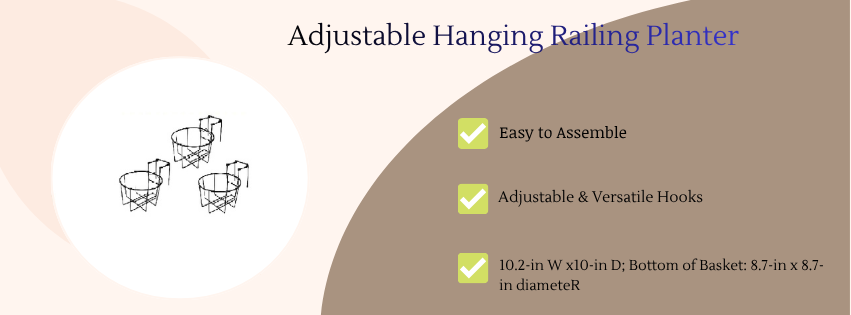
Balcony and deck floors typically support 20–40 pounds per square foot. Railings, when structurally sound, can hold lightweight planters without consuming walking space.Round planters distribute soil weight evenly. Unlike rectangular troughs, circular containers reduce corner stress points and improve soil moisture consistency.
Why round shape matters:
- Even root expansion
- Fewer dry pockets in soil
- Improved water distribution
- Stronger structural integrity
Cost impact:
Plastic and resin round railing planters typically range from $15–$40. Metal and ceramic versions can exceed $60–$120 depending on size.
Choosing the Right Round Hanging Railing Planter
1. Material Selection: Durability vs Weight
Plastic / Resin (Best Overall Value)
- Lightweight
- Weather resistant
- Affordable
- Ideal for renters
Maintenance impact: Minimal. Won’t crack easily in USDA zones 7–10. In colder zones (3–6), choose frost-resistant resin.
Powder-Coated Metal
- Modern aesthetic
- Strong support brackets
- Heavier than plastic
Maintenance impact: May rust in humid climates if coating chips.
Ceramic
- Beautiful but heavy
- Risky for railing mounting
- Poor freeze tolerance in cold zones
Recommendation: Avoid ceramic unless railing is rated for heavy loads.
2. Proper Size & Depth Guidelines
Root depth determines success.
Minimum depth guidelines:
- Herbs (basil, parsley, cilantro): 8 inches
- Petunias and trailing annuals: 8–10 inches
- Strawberries: 10–12 inches
- Dwarf tomatoes: 12 inches minimum
Shallow 6-inch decorative planters dry too quickly and stunt growth. Why depth matters: Roots need insulation from heat and space for nutrient uptake. Shallow containers overheat rapidly, especially on south-facing railings.
3. Drainage: The Most Overlooked Factor
Hanging planters dry faster because:
- Air circulates around all sides
- Sun hits exposed walls
- Wind increases evaporation
Always choose planters with:
- Multiple drainage holes
- A removable drip tray (essential for apartment balconies)
- Slightly elevated base to prevent root rot
Never block drainage holes to prevent dripping. Instead, use saucers or self-watering inserts.
The Best Soil for Round Hanging Railing Planters
Never use garden soil. It compacts, suffocates roots, and drains poorly.
Ideal Potting Mix Composition
- 40–50% peat moss or coco coir
- 20–30% perlite
- 20% compost
- 5–10% worm castings
This combination ensures:
- Lightweight structure
- Excellent drainage
- Moisture retention without waterlogging
- Balanced nutrient availability
Budget option: High-quality all-purpose potting mix amended with 20% extra perlite.
Premium option: Organic container mix with mycorrhizal fungi for enhanced root development.
Cost impact:
- Budget mix: $8–$12 per bag
- Premium mix: $18–$25 per bag
Best Plants for Round Hanging Railing Planters
Plant selection depends heavily on sun exposure direction.
South-Facing Railings (6–8+ Hours Direct Sun)
Expect high heat and fast drying.
Best plants:
- Petunias
- Geraniums
- Portulaca
- Thyme
- Dwarf peppers
- Strawberries
Why these work: They tolerate heat stress and brief dry periods.
Maintenance impact: Daily watering in peak summer (especially USDA zones 8–10).
East-Facing Railings (Morning Sun)
Gentle light, ideal for many edibles.
Best plants:
- Basil
- Lettuce
- Parsley
- Pansies
- Lobelia
Watering frequency: 3–4 times per week in warm weather.
North-Facing Railings (Shade)
Lower evaporation but slower growth.
Best plants:
- Ferns
- Impatiens
- Mint
- Begonias
Common mistake: Trying to grow tomatoes in low light. They require at least 6 hours of direct sun.
Installation & Safety: Don’t Skip This Step
Before installing:
- Confirm railing stability.
- Avoid exceeding 15–20 pounds per planter when saturated.
- Secure locking brackets tightly.
Water-saturated soil weighs significantly more than dry soil. A 12-inch planter can weigh 15–25 pounds when fully watered. If unsure, consult building guidelines especially in rental units.
Watering Strategy for Hanging Railing Planters
Because airflow surrounds them, they dry faster than floor pots.
General Watering Frequency
- Spring: 2–3 times per week
- Summer: 3–5 times per week
- Extreme heat: Daily
- Fall: Reduce gradually
Test soil 2 inches deep before watering.
Avoid surface-only watering. Fully saturate until water drains out bottom.
Self-Watering Planters: Worth It
Pros:
- Reduces watering frequency
- Prevents drought stress
- Ideal for travel
Cons:
- Higher cost ($30–$80 per planter)
- Requires monitoring reservoir levels
- Can promote root rot if overfilled
Best for: Busy gardeners or south-facing balconies.
Fertilizing for Continuous Growth
Hanging planters lose nutrients faster due to frequent watering.
Use:
- Slow-release granular fertilizer every 6–8 weeks OR
- Liquid fertilizer every 2–3 weeks at half strength
Avoid overfeeding. Excess nitrogen causes leafy growth with fewer flowers.
Pest Prevention in Elevated Planters
Common pests:
- Aphids
- Spider mites
- Whiteflies
Prevention tips:
- Inspect weekly
- Avoid overcrowding
- Use neem oil as preventative spray
Spider mites thrive in dry heat common on sunny railings.
Beginner Mistakes to Avoid
1. Overcrowding Plants
More plants do not equal better results. Roots compete for limited soil volume.
2. Ignoring Wind Exposure
Balcony railings are wind tunnels. Choose sturdy plants for high floors.
3. Underestimating Water Needs
Hanging containers dry 30–50% faster than ground beds.
4. Skipping Fertilization
Container soil loses nutrients rapidly.
Budget vs Premium Setup Comparison
Budget Setup (~$75–$150 Total)
- 3–4 plastic round railing planters
- Quality potting mix
- Basic liquid fertilizer
- Hand watering
Maintenance: Moderate Best for beginners
Premium Setup (~$250–$600 Total)
- Heavy-duty self-watering railing planters
- Organic premium potting mix
- Slow-release fertilizer
- Drip irrigation kit or balcony micro-drip system
Maintenance: Low Best for busy professionals
Drip irrigation kits designed for container gardens can reduce watering time by 80% and cost $40–$120 depending on size.
Seasonal Care and Winter Strategy
In USDA zones 3–6:
- Remove planters before hard freeze
- Store indoors or in shed
- Empty soil if material is not frost-resistant
In USDA zones 7–10:
- Grow cool-season crops in fall
- Replace annuals with ornamental kale or pansies
FAQ
1. How much weight can a railing planter hold?
Most residential railings safely hold 15–20 pounds per bracketed planter, but confirm structural integrity before installation.
2. How deep should a round railing planter be?
Minimum 8 inches for herbs and flowers; 12 inches for vegetables like strawberries or dwarf tomatoes.
3. Do railing planters need drainage holes?
Yes. Without drainage, roots suffocate and rot. Always use planters with multiple holes and trays.
4. How often should I water hanging railing planters?
Typically 3–5 times per week in summer. Daily during extreme heat waves.
5. Can I grow vegetables in round hanging railing planters?
Yes, shallow-rooted vegetables like lettuce, herbs, strawberries, and dwarf peppers perform well.
6. Are self-watering railing planters worth the cost?
For hot, sunny balconies or frequent travelers, yes. They reduce drought stress and improve plant consistency.
Conclusion
Round hanging railing planters are one of the most efficient upgrades you can make in a small-space garden. They transform unused railing space into productive growing zones while keeping floors clear and visually organized.
Success comes down to fundamentals:
- Choose lightweight, durable materials
- Ensure at least 8–12 inches of soil depth
- Use high-quality, well-draining potting mix
- Water consistently and fertilize regularly
- Match plant selection to sun exposure
When installed correctly, these planters provide season-long blooms, fresh herbs at arm’s reach, and improved privacy all without expanding your footprint. Start with two or three well-chosen planters. Focus on soil quality and proper depth. Build from there. Over time, your railing won’t just hold plants it will become the most productive part of your outdoor space.
