Every product is independently reviewed and selected by our editors. If you buy something through our links, we may earn an affiliate commission at no extra cost to you.
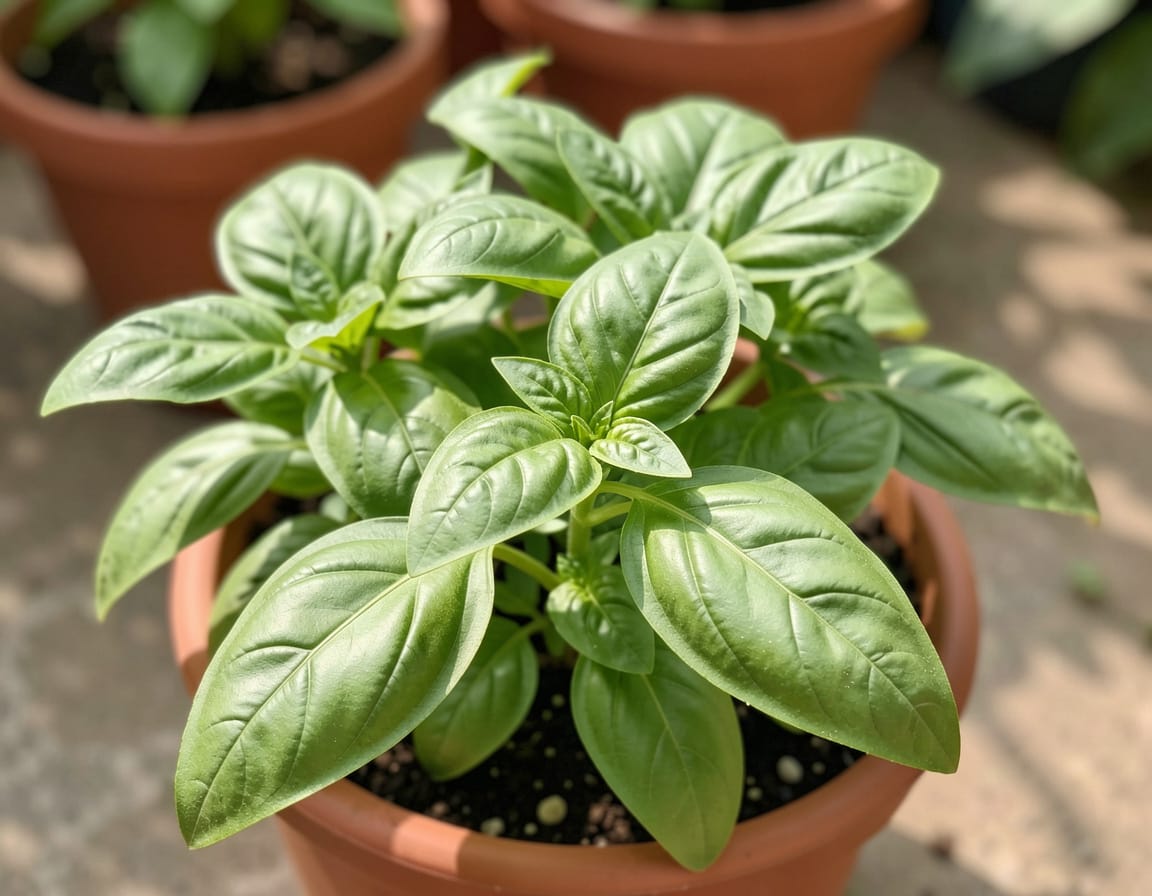
If you’re new to gardening and wondering which plant won’t give up on you after two weeks, basil deserves to be at the top of your list. I’ve grown basil in everything from recycled yogurt cups on a kitchen windowsill to large containers on a sunny balcony and every single time, it’s taught beginners the basics of plant care without being overly fussy.
So yes, basil is a good beginner plant but only if you understand its simple needs: consistent light, warmth, and moderate watering. Once you get those right, basil rewards you with lush green leaves, a fragrant kitchen, and the confidence to grow more herbs.
Why Basil Is Ideal for Beginners
1. Fast Results Keep You Motivated
Basil germinates in about 5–10 days and becomes harvest-ready within 3–4 weeks. That quick feedback helps beginners learn how light, water, and pruning affect growth without waiting months to see results.
2. Forgiving Yet Honest
Basil clearly shows what it needs. When it’s thirsty, the leaves droop; when happy, it perks up within hours. This makes it a great “teacher” plant for new gardeners learning to read plant signals.
3. Grows Well in Small Spaces
Whether you have a balcony, terrace, or sunny kitchen window, basil fits right in. One or two 6-inch pots can easily supply a steady stream of fresh leaves for your cooking.
4. Easy to Propagate
Once you have one healthy basil plant, you can grow several more by rooting stem cuttings in water. It’s one of the simplest propagation experiences for beginners.
5. Useful and Rewarding
There’s nothing quite like tearing a few fresh basil leaves into pasta or salad that you grew yourself. That small reward keeps motivation high especially for new gardeners.
Why Basil Grows So Readily (The Horticultural Logic)
Basil is a warm-weather annual herb, native to tropical and subtropical climates. It thrives when given:
- Plenty of light (at least 6 hours of direct sun daily),
- Warm temperatures (20–30°C / 68–86°F),
- Well-draining soil that stays moist but not soggy.
The plant has a naturally vigorous growth habit its stems branch readily when pinched, and it responds quickly to good light and feeding. That’s why it’s often used in school or home garden projects to demonstrate how plants respond to care.
What You’ll Need to Get Started
You can start basil from seed or from a small nursery plant. Here’s what you’ll need:
- A sunny location – South- or west-facing window, balcony, or terrace
- Container with drainage holes – 6–8 inches wide
- Soil mix – 1 part compost, 1 part cocopeat or potting soil, and 1 part perlite or coarse sand
- Organic fertilizer – liquid seaweed, compost tea, or diluted vermicompost leachate
- Watering can or spray bottle
- Scissors or pruning shears for harvesting
Eco-friendly note: Avoid using garden soil alone it compacts easily in pots and can suffocate basil roots.
Step-by-Step: How to Grow Basil as a Beginner
1. Sow Seeds or Start with a Young Plant
- Sprinkle seeds lightly on moist soil and cover with a thin layer of mix (about ¼ inch).
- Keep in a warm, bright spot (20–25°C / 68–77°F).
- Germination happens in 5–10 days.
2. Provide Plenty of Sunlight
Basil loves bright light. Outdoors, give it 6–8 hours of direct sun. Indoors, place it on a sunny windowsill or use a full-spectrum grow light for 12–14 hours daily.
3. Water the Right Way
This is where beginners often go wrong. Basil likes moisture but hates soggy roots.
- Water only when the top inch of soil feels dry.
- Pour slowly until water drains from the bottom.
- Empty any water from saucers to prevent root rot.
4. Feed Lightly but Regularly
Use a mild organic liquid feed every 2–3 weeks. Overfertilizing can lead to soft, weak growth.
5. Prune to Encourage Bushiness
Once your basil reaches 6–8 inches tall, pinch off the top two sets of leaves. This encourages side shoots and a fuller plant one of the most satisfying beginner lessons in plant training.
6. Harvest Smartly
Always harvest from the top, not the bottom. Take small amounts regularly it keeps the plant young and productive.
Pro Tips from Real Garden Experience
- Rotate plants weekly if grown indoors so all sides get equal sun.
- Don’t let it flower unless you want seeds; flowering reduces leaf flavor.
- Start fresh each season basil is annual and declines after 4–6 months.
- Use clean water if you’re growing in pots chlorinated tap water can slow growth.
- Keep an eye on airflow still indoor air can lead to fungal spots.
From my own balcony tests, basil grown in a lightweight, airy soil mix needed watering every 3–4 days in summer and once a week in winter. Overwatering was always the quickest way to lose a plant.
Common Beginner Questions About Basil
1. Is basil hard to keep alive?
Not at all if it gets enough light. Most failures come from low light or overwatering. Once you correct those, basil is reliable.
2. Can basil grow indoors without sun?
It can, but only under a bright grow light. In dark corners, it becomes leggy and weak.
3. How long does basil live?
As an annual, basil usually lives 4–6 months. You can keep it going by taking cuttings before it flowers and starting new plants.
4. What’s the easiest basil variety for beginners?
Sweet Basil (Genovese) or Lemon Basil are both strong starters. They germinate easily and produce plenty of leaves.
5. Why does my basil turn yellow?
Usually from overwatering or poor drainage. Let the soil dry slightly before watering again.
6. Can I grow basil from grocery store cuttings?
Yes! If the stems are fresh, trim them and place in water. Once roots appear (in about a week), pot them up in soil.
When Basil Might Not Be the Best Starter Plant
Although basil is beginner-friendly, there are a few exceptions:
- Very low-light homes (north-facing windows) without grow lights
- Cold climates where temperatures drop below 15°C (59°F) indoors
- Forgetful waterers who rarely check soil moisture
If your space fits these conditions, try mint or oregano instead they cope better with shade and irregular watering.
Alternatives Worth Trying
| Herb | Difficulty Level | Light Needs | Key Advantage |
| Mint | Very easy | Partial sun | Grows fast even in lower light |
| Parsley | Easy | Moderate light | Tolerates cooler conditions |
| Chives | Easy | Bright indirect light | Low maintenance, long-lived |
| Cilantro | Moderate | Full sun | Quick harvest but short life cycle |
Starting with basil helps you learn the fundamentals that apply to all these herbs.
Conclusion
So, is basil a good beginner plant? Absolutely. It’s fast-growing, forgiving, and deeply rewarding. You’ll learn essential gardening habits timing, watering, pruning, and sunlight management without complex tools or high costs.
From my experience, once a gardener learns to keep basil healthy, they can handle almost any other herb with ease. Just remember: give it bright light, let the soil breathe, and pinch it often. Within a month, you’ll have your first homegrown handful of fragrant, kitchen-ready leaves and a solid start to your gardening journey.
