Every product is independently reviewed and selected by our editors. If you buy something through our links, we may earn an affiliate commission at no extra cost to you.
If your lawn looks green but your vegetables struggle, the issue may not be how often you water but how long you run the sprinkler. Most gardeners either under-water (shallow roots, stress) or over-water (fungal disease, root rot). The right runtime depends on sprinkler output, soil type, plant depth, sun exposure, and your USDA zone. This guide gives you a measurable method to determine exactly how long to water your garden with a sprinkler so moisture reaches 6–8 inches deep (or more for deep-rooted crops) without wasting water. Sprinklers feel convenient, but they’re imprecise unless you calibrate them. A timer set for 20 minutes means nothing if you don’t know how much water your sprinkler actually delivers per hour.Vegetables typically need 1–1.5 inches of water per week, including rainfall. The key is applying that water deeply and infrequently to encourage strong root systems.
By the end of this guide, you’ll know:
- How to calculate your sprinkler’s runtime
- How soil type changes watering duration
- How long to water lawns vs vegetable beds
- How climate and sun exposure affect scheduling
- When sprinklers are the wrong tool
Let’s make watering measurable.
Quick Summary Box
How long to water a garden with a sprinkler:
- Most vegetable gardens: 30–60 minutes per session
- Goal: Apply ½–1 inch of water per session
- Frequency: 1–3 times per week depending on heat
- Sandy soil: Shorter, more frequent sessions
- Clay soil: Longer, less frequent sessions
- Always water early morning (5–9 AM)
Calibrate your sprinkler using the tuna can test (explained below).
Step 1: Determine How Much Water Your Garden Needs
Vegetable Gardens
Most vegetables require:
- 1–1.5 inches of water per week
- Consistent moisture to 6–8 inches deep
- Deep-rooted crops (tomatoes, squash): 8–12 inches
WHY 1–1.5 Inches
That amount typically penetrates:
- 6 inches in loamy soil
- 4 inches in clay
- 8+ inches in sandy soil (but drains faster)
It supports root oxygenation while preventing saturation.
Lawns (For Comparison)
Lawns also require 1–1.5 inches per week, but grass roots are shallower (3–6 inches). Vegetable beds need more depth per session.
Step 2: Measure Your Sprinkler Output (The Tuna Can Test)
Never guess runtime.
How to Measure:
- Place 4–6 empty tuna cans (or straight-sided containers) across the watering area.
- Run your sprinkler for 15 minutes.
- Measure average water depth collected.
- Multiply to estimate hourly output.
Example:
- 15 minutes = ¼ inch collected
- Therefore: 1 hour = 1 inch
If your goal is 1 inch per session, you need 60 minutes.
WHY This Matters
Sprinklers vary widely:
- Oscillating sprinkler: ~1 inch/hour
- Impact sprinkler: 0.5–1.5 inches/hour
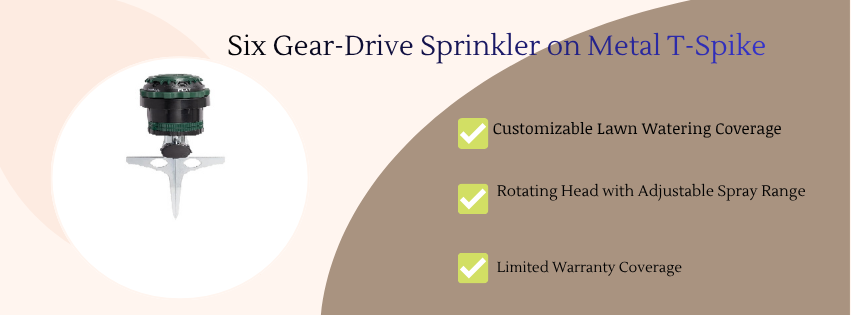
- In-ground spray head: 1.5–2 inches/hour
Knowing your rate prevents overwatering.
Cost: Free to test. Maintenance: Recheck once per season.
How Long to Water by Soil Type
Soil composition dramatically changes duration.
Sandy Soil
Composition:
- Large particles
- Fast drainage
- Low water retention
Runtime:
- 20–30 minutes
- 2–3 times per week
WHY Shorter Sessions?
Water drains quickly beyond root zone.
Maintenance Impact:
- Requires frequent monitoring
- Add 2–3 inches organic mulch
Loamy Soil (Ideal)
Composition:
- Balanced sand, silt, clay
- 5–8% organic matter
Runtime:
- 30–45 minutes
- 1–2 times per week
WHY It Works
Loam retains moisture while allowing oxygen flow.
Clay Soil
Composition:
- Fine particles
- Slow drainage
- Compacts easily
Runtime:
- 45–60 minutes
- Once or twice per week
- Consider split sessions (30 minutes, pause, 30 minutes)
WHY Split Sessions?
Clay absorbs slowly. Long continuous watering causes runoff.
Maintenance:
- Aerate annually
- Add compost to improve structure
How Long to Water by Plant Type
Leafy Greens (6–8 Inch Root Depth)
- 30–40 minutes
- Keep consistently moist
- Avoid drought stress (causes bitterness)
Tomatoes & Peppers (12–18 Inch Roots)
- 45–60 minutes
- Deep, infrequent watering
- Prevent blossom end rot with consistent moisture
Root Vegetables
- 30–45 minutes
- Even moisture prevents splitting
Raised Beds vs In-Ground Gardens
Raised beds drain faster.
Raised Bed Sprinkler Runtime
- 20–40 minutes
- Possibly more frequent sessions
- Always mulch (2–3 inches straw or shredded leaves)
Minimum raised bed depth:
- 10–12 inches for vegetables
- 18 inches for deep-rooted crops
Shallow beds dry faster and require shorter but more frequent watering.
Climate & USDA Zone Adjustments
Zones 3–5 (Cooler Climates)
- 30–40 minutes
- 1–2 times per week
- Monitor rainfall carefully
Zones 6–7 (Moderate)
- 30–60 minutes
- 1–3 times per week in summer
Zones 8–10 (Hot, High Evaporation)
- 40–60 minutes
- 2–3 times per week
- Possibly daily during heat waves
Consider:
- 30–40% shade cloth
- Drip irrigation conversion (more efficient)
Best Time of Day to Run a Sprinkler
Early morning (5:00–9:00 AM)
WHY:
- Reduced evaporation
- Better root absorption
- Leaves dry quickly (reduces fungal disease)
Avoid:
- Midday (water loss through evaporation)
- Late evening in humid climates (fungal risk)
Sprinkler Types and Runtime Differences
Oscillating Sprinklers
- Good for rectangular gardens
- Moderate output (~1 inch/hour)
- Budget: $20–$40
- Replace every 2–4 seasons
Impact Sprinklers
- Adjustable coverage
- Higher pressure
- Output varies widely
- Budget: $15–$30
In-Ground Spray Heads
- High output
- Risk of runoff
- Often need shorter cycles
When Sprinklers Are NOT Ideal
Sprinklers wet foliage.
This increases:
- Powdery mildew
- Early blight
- Downy mildew
For vegetables, drip irrigation is superior.
Drip delivers water:
- Directly to root zone
- With minimal evaporation
- Without wetting leaves
Cost:
- $50–$150 setup
- Saves water long term
Maintenance:
- Flush lines annually
- Check emitters monthly
Common Mistakes When Watering with Sprinklers
1. Running It Daily for 10 Minutes
Encourages shallow roots.
Fix: Water deeply and less often.
2. Ignoring Runoff
If water pools, soil is saturated.
Fix:
- Split sessions
- Improve drainage
- Add compost
3. Watering on a Fixed Schedule Regardless of Rain
Install a rain gauge.
Skip irrigation after ½–1 inch rainfall.
4. Not Using Mulch
Mulch reduces evaporation by 25–40%.
Apply:
- 2–3 inches straw
- Shredded leaves
- Fine bark
Signs You’re Watering the Right Amount
- Soil moist 6–8 inches deep
- No standing water after 1–2 hours
- Plants upright by mid-morning
- No yellowing from overwatering
- Consistent fruit development
FAQ
1. Is 30 minutes enough to water a garden?
Often yes, if your sprinkler delivers 1 inch per hour. Always measure output first.
2. Should I water every day with a sprinkler?
No. Deep watering 1–3 times per week is better than daily shallow watering.
3. How do I know if I watered deeply enough?
Check soil 6–8 inches down. It should feel evenly moist, not dry or muddy.
4. Is it better to water longer or more often?
Longer and less often. Deep watering promotes deeper roots and drought resilience.
5. Can sprinklers cause plant disease?
Yes. Wet foliage increases fungal disease risk. Drip irrigation is safer for vegetables.
6. How much water equals 1 inch?
1 inch equals about 0.62 gallons per square foot.
Example: A 100 sq ft garden needs about 62 gallons for 1 inch.
Final Thoughts
How long should you water a garden with a sprinkler?
For most vegetable gardens:
- 30–60 minutes per session
- 1–3 times per week
- Adjust based on soil type, sun exposure, and USDA zone
But the real key is measurement. Calibrate your sprinkler. Aim for ½–1 inch per session. Water deeply to 6–8 inches. Mulch generously. Adjust seasonally. Once you shift from guessing to measuring, you’ll notice stronger root systems, fewer disease problems, and more consistent harvests. Watering isn’t about minutes. It’s about moisture depth and giving roots exactly what they need.
