Every product is independently reviewed and selected by our editors. If you buy something through our links, we may earn an affiliate commission at no extra cost to you.
A wooden planter box is one of the simplest, most rewarding garden projects you can build. It defines space, improves drainage, and lets you grow herbs, vegetables, or flowers even on a patio or balcony. But most DIY guides skip the details that matter like proper soil depth, drainage design, wood selection, and long-term durability. If you want a planter that doesn’t rot in two seasons or stunt your plants, this guide walks you through the right way to build it step by step. Many beginner gardeners struggle with three common problems:
- Store-bought planters are too shallow
- Cheap wood rots quickly
- Poor drainage causes root rot
Building your own wooden planter box solves all three but only if you build it correctly.
In this guide, you’ll learn:
- The ideal dimensions for healthy root growth
- The best wood choices for durability
- How to design proper drainage
- The correct soil mix for long-term plant health
- Watering and maintenance realities
By the end, you’ll have a sturdy, plant-ready wooden planter box that supports real growth not just decoration.
Step 1: Choose the Right Dimensions (Root Depth Matters)
The most common beginner mistake is building a planter that looks nice but is too shallow for healthy roots.
Why depth matters
Plant roots need space for:
- Nutrient uptake
- Moisture storage
- Structural stability
Shallow boxes dry out quickly and restrict growth.
Recommended beginner size
36 inches long × 18 inches wide × 12 inches deep
This size works well because:
- It fits small patios and balconies
- It holds enough soil to stabilize moisture
- It supports most vegetables
Root depth guidelines
| Plant Type | Minimum Soil Depth |
|---|---|
| Lettuce, spinach, basil | 6–8 inches |
| Peppers, bush beans | 10–12 inches |
| Carrots, potatoes | 12–16 inches |
| Large tomatoes | 16–18 inches |
If unsure, go deeper. Deeper soil reduces watering frequency and improves plant resilience.
Step 2: Select the Best Wood (Durability vs Budget)
The wood you choose determines lifespan, maintenance, and safety for edible crops.
Cedar (Best Overall Choice)
- Naturally rot-resistant
- Lightweight
- No chemical treatment
- Lasts 8–15 years
Why it works: Cedar contains natural oils that resist moisture and insects.
Cost impact: Moderate. Expect $120–$180 for a medium planter.
Maintenance: Optional sealing every 1–2 years.
Redwood
Similar benefits to cedar but often more expensive depending on region.
Pressure-Treated Lumber (Budget Option)
- Lower upfront cost
- Long lifespan
Modern pressure-treated wood is safer than older formulas, but some gardeners prefer lining the interior with landscape fabric when growing edibles.
Cost: $75–$120 Maintenance: Low
Avoid
- Untreated pine (rots quickly)
- Interior plywood (delaminates outdoors)
Step 3: Tools and Materials
Tools
- Circular saw or miter saw
- Drill/driver
- 2½” exterior screws (galvanized or stainless steel)
- Measuring tape
- Carpenter’s square
- Sandpaper (120–150 grit)
You don’t need advanced carpentry tools—just accurate measurements and solid fastening.
Step 4: Cut the Boards
For a 36″ × 18″ × 12″ planter:
- (2) 36″ boards (front/back)
- (2) 18″ boards (sides)
- (3–4) bottom slats at 34½”
Use 1×12 boards for single-layer sides, or stack two 1×6 boards to reach 12″ height.
Why stacking works: It reduces warping risk and allows easier material sourcing.
Step 5: Assemble the Frame
- Stand one 36″ board upright.
- Attach an 18″ side board at a right angle.
- Pre-drill pilot holes to prevent splitting.
- Secure with two to three screws per joint.
Repeat for all four corners.
Why pre-drilling matters: It prevents cracking and improves long-term structural strength.
Maintenance impact: Tight joints reduce wobbling over time.
Step 6: Install the Bottom (Drainage Is Critical)
Never create a fully sealed base.
Instead:
- Install bottom boards with ¼–½ inch spacing between slats
This allows:
- Excess water to escape
- Oxygen to reach roots
- Wood to dry faster
Wet soil is heavy. A filled planter of this size can weigh 200–250 pounds.
Add a center support brace underneath if the box exceeds 30 inches in length. This prevents sagging over time.
Step 7: Drill Additional Drainage Holes
Even with slats, add ½-inch holes every 6–8 inches if using a solid bottom panel.
Why this works:
- Prevents water pooling
- Reduces fungal root disease
- Extends planter lifespan
Poor drainage is the number one cause of container failure.
Step 8: Sand and Finish (Optional)
Sand sharp edges to prevent splinters.
Finishing Options
- Leave cedar natural (low maintenance)
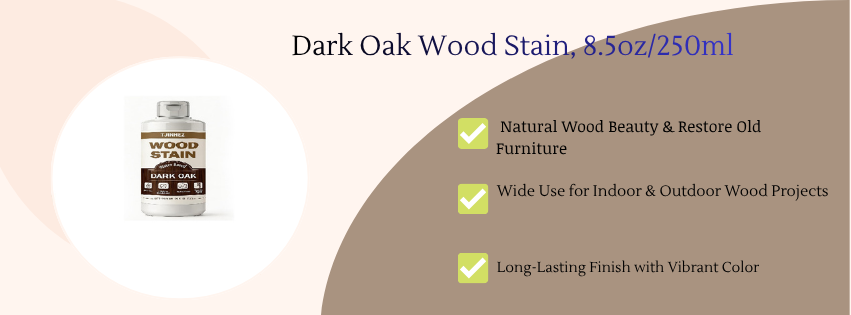
- Apply food-safe exterior oil
- Avoid interior stains or sealants
Cost impact: $15–$30 for oil. Maintenance: Reapply every 1–2 years if sealed.
Soil Matters More Than Wood
Many planters fail because gardeners use heavy backyard soil.
Garden soil compacts in containers and suffocates roots.
Ideal Soil Mix for Wooden Planters
Use:
- 40% high-quality potting mix
- 30% compost
- 20% coconut coir or peat moss
- 10% perlite
Why this works:
- Compost provides nutrients
- Coir retains moisture
- Perlite ensures drainage
- Potting mix maintains structure
Estimated cost: $30–$60 to fill a medium planter.
Maintenance impact: Refresh compost yearly for nutrient balance.
Positioning Your Planter: Sun Exposure Guide
Light direction determines plant success.
South-Facing (Northern Hemisphere)
- 6–8+ hours direct sun
- Ideal for tomatoes, peppers, cucumbers
Higher watering demand.
East-Facing
- Gentle morning sun
- Great for herbs and leafy greens
Lower heat stress.
West-Facing
- Intense afternoon sun
- Choose heat-tolerant plants
Monitor soil moisture closely.
North-Facing
- Limited direct light
- Best for shade plants like ferns or hostas
Watering Frequency and Irrigation Options
Containers dry faster than in-ground beds.
General Watering Schedule
- Spring/Fall: 2–3 times weekly
- Summer: 3–5 times weekly
- Heatwaves: Daily checks
Water deeply until excess drains from the bottom.
Shallow watering encourages weak roots.
Upgrade Option: Drip Irrigation Kit
Look for:
- Adjustable emitters
- Timer compatibility
- UV-resistant tubing
Cost: $50–$150
Why it works: Delivers consistent moisture directly to root zone, reducing stress and water waste.
Self-Watering Inserts
Useful for:
- Busy schedules
- Hot climates
- Balcony gardens
Higher upfront cost but lower maintenance.
Pest and Disease Prevention Basics
Healthy soil and airflow reduce issues.
Common pests:
- Aphids
- Spider mites
- Fungus gnats
Prevention tips:
- Avoid overwatering
- Inspect weekly
- Use neem oil early
- Space plants properly
Overcrowding increases humidity and disease risk.
USDA Zone Considerations
Wooden planter boxes work in all USDA zones with seasonal adjustments.
Zones 3–6
- Soil freezes faster than ground
- Remove annuals before frost
- Consider insulating or emptying for winter
Zones 7–10
- Extended growing season
- Year-round herbs possible
Zones 11+
- Monitor extreme heat
- Increase watering frequency
Budget vs Premium Build Comparison
| Feature | Budget Build | Premium Build |
|---|---|---|
| Wood | Pressure-treated | Cedar |
| Hardware | Basic coated screws | Stainless steel |
| Finish | None | Natural oil |
| Lifespan | 5–7 years | 10–15+ years |
| Cost | $75–$120 | $140–$200 |
Premium builds cost more upfront but reduce long-term replacement and maintenance costs.
Common Beginner Mistakes
- Building too shallow
- Forgetting drainage holes
- Using indoor screws (they rust)
- Placing planter in incorrect sun exposure
- Overcrowding plants
- Using heavy garden soil
Avoiding these saves money and frustration.
FAQ
What is the easiest size planter box to build?
A 36″ × 18″ × 12″ box is beginner-friendly, stable, and supports most vegetables.
How deep should a wooden planter box be?
10–12 inches for most crops. Root vegetables require 12–16 inches.
Do I need to line my planter box?
Optional. Landscape fabric can extend wood lifespan but must not block drainage.
How long will a cedar planter box last?
Typically 8–15 years depending on climate and maintenance.
Can I grow vegetables in a wooden planter box?
Yes , just ensure proper soil depth, drainage, and sun exposure.
How heavy will a filled planter box be?
A 36″ planter can weigh 200–250 pounds when filled with moist soil.
Final Thoughts
Learning how to build a wooden planter box easy isn’t about shortcuts it’s about smart design.
When you:
- Choose rot-resistant wood
- Build at proper depth
- Prioritize drainage
- Use quality soil
- Position it correctly for sunlight
You create a durable growing system that supports real plant health.
Start with one box. Grow herbs or lettuce. Then expand into vegetables or vertical additions. A well-built wooden planter becomes more productive every season and far more reliable than most mass-produced alternatives. With the right foundation, your planter won’t just look good it will grow strong, healthy plants for years.
