Every product is independently reviewed and selected by our editors. If you buy something through our links, we may earn an affiliate commission at no extra cost to you.
If you want to turn a plain fence into a productive herb wall or cascading flower display without overloading the structure, plastic fence hanging planters are one of the most practical solutions available. They’re lightweight, affordable, weather-resistant, and renter-friendly making them ideal for patios, small backyards, and compact outdoor spaces. But not all plastic planters are created equal. The difference between thriving plants and constant frustration comes down to drainage, soil composition, container depth, sun exposure, and proper mounting. This guide covers everything you need to choose, install, and maintain plastic fence hanging planters the right way. Many homeowners want vertical garden solutions but face common obstacles:
- Limited ground space
- Heavy ceramic or wood planters straining fences
- HOA or rental restrictions
- Poor native soil
- High summer heat
Plastic fence hanging planters solve many of these issues because they’re significantly lighter than terracotta or wood, reducing structural stress on fence panels and posts. When installed properly with correct soil mix, drainage holes, airflow spacing, and sun-matched plant selection they can perform just as well as heavier materials at a fraction of the cost.
Let’s break down how to do it correctly.
Quick Summary Box
- Best for: Small yards, patios, rental homes, HOA-friendly spaces
- Weight advantage: 30–60% lighter than ceramic or wood
- Minimum depth: 6–8 inches (herbs/flowers), 10–12 inches (vegetables)
- Soil type: Lightweight potting mix with perlite
- Drainage: Required holes + ½–1 inch airflow gap from fence
- Watering: 2–5 times weekly in summer
- USDA zones: Suitable Zones 3–11 (UV-rated plastic recommended in Zones 8–11)
- Budget cost: $10–$35 per planter
- Premium self-watering models: $25–$60 each
Why Plastic Fence Hanging Planters Work So Well
1. Weight Reduction Protects Your Fence
A 14-inch ceramic planter filled with wet soil can exceed 40 pounds. Plastic versions often weigh 15–25 pounds under similar conditions.
Why this matters:
- Less strain on fence posts
- Lower risk of panel warping
- Safer during heavy rain
This makes plastic ideal for older wood fences and vinyl fences with lower load tolerance.
2. Weather Resistance in Most USDA Zones
High-quality polypropylene or resin planters:
- Resist cracking in freezing temperatures (Zones 3–7)
- Withstand UV exposure (if UV-stabilized)
- Don’t rot like wood
In hot climates (Zones 8–11), choose light-colored plastic to prevent root overheating from excessive heat absorption.
3. Cost Efficiency
Plastic fence hanging planters typically cost:
- Basic models: $10–$20
- Decorative resin finishes: $20–$35
- Self-watering versions: $25–$60
Compared to wood or metal systems, upfront investment is significantly lower, making them ideal for larger fence installations.
Choosing the Right Plastic Fence Hanging Planters
Not all plastic containers perform equally outdoors.
1. Depth Requirements by Plant Type
This is one of the biggest beginner mistakes—choosing containers that are too shallow.
Minimum recommended depths:
- Herbs (basil, parsley, thyme): 6–8 inches
- Leafy greens (lettuce, spinach): 6–8 inches
- Strawberries: 8 inches
- Annual flowers: 6–10 inches
- Dwarf peppers: 10–12 inches
- Cherry tomatoes (determinate): 12 inches minimum
Deeper containers reduce watering frequency and improve root stability.
2. Built-In Drainage Holes (Non-Negotiable)
Always check for:
- Multiple drainage holes
- Elevated base ridges for airflow
- Optional removable plugs (for heavy rain zones)
Without proper drainage:
- Roots suffocate
- Fungal diseases increase
- Planter weight increases due to water retention
If holes are missing, drill at least 3–5 evenly spaced holes per planter.
3. Mounting Compatibility
Plastic fence hanging planters typically come in:
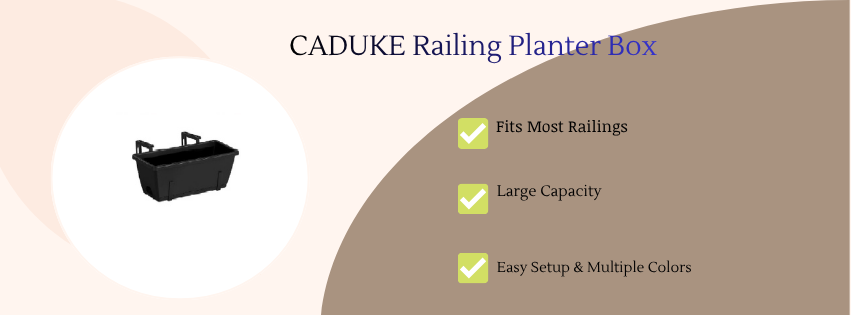
- Railing-style hook planters
- Bracket-mounted troughs
- Clip-on modular systems
Installation rules:
- Anchor brackets into fence posts, not thin boards
- Leave ½–1 inch gap behind planter for airflow
- Use stainless steel or galvanized hardware
Never mount heavy planters directly into fence panels without structural support.
Soil Composition for Plastic Fence Planters
Plastic containers retain moisture longer than terracotta because they are non-porous. That means drainage and soil aeration are critical.
Ideal Soil Mix
- 50–60% peat moss or coco coir
- 20–30% compost
- 10–20% perlite or pumice
- Slow-release organic fertilizer mixed in
Why this works:
- Lightweight (reduces bracket stress)
- Excellent drainage
- Prevents compaction
- Supports root oxygen exchange
Avoid garden soil. It compacts heavily and becomes too dense when wet.
Cost:
- Budget potting mix: $10 per bag
- Premium organic mix: $18–$25 per bag
Premium mixes reduce fertilization frequency.
Matching Planters to Fence Sun Exposure
Fence direction determines plant success more than planter material.
South-Facing Fence
- 6–8+ hours direct sun
- Ideal for tomatoes, peppers, petunias
- Higher watering demand
West-Facing Fence
- Intense afternoon sun
- Choose heat-tolerant plants
- Light-colored plastic prevents root overheating
East-Facing Fence
- Gentle morning sun
- Excellent for herbs and leafy greens
North-Facing Fence
- Mostly shade
- Use impatiens, ferns, hostas (Zones 3–9)
Placing sun-loving plants on a north-facing fence is a common failure point.
Watering Strategy for Plastic Fence Hanging Planters
Because plastic retains moisture, watering frequency depends heavily on depth and sun exposure.
General Watering Guidelines
- Spring: 1–2 times per week
- Summer: 2–4 times per week
- Heat waves: Possibly daily for shallow containers
Check moisture 2 inches below the surface before watering.
Signs of overwatering:
- Yellow leaves
- Fungus gnats
- Mushy stems
Signs of underwatering:
- Wilting midday
- Dry, shrinking soil
Self-Watering Plastic Planters: Are They Worth It
Self-watering plastic fence planters include a water reservoir at the base.
Benefits:
- Consistent moisture
- Reduced watering frequency
- Less plant stress
Drawbacks:
- Higher cost
- Heavier when reservoir full
Best for:
- Busy homeowners
- Hot climates
- Vacation periods
Best Plants for Plastic Fence Hanging Planters
Herbs (Zones 3–10 as annuals)
- Basil
- Thyme
- Oregano
- Parsley
- Chives
Low root depth, high productivity.
Edible Crops
- Determinate cherry tomatoes
- Dwarf peppers
- Lettuce and arugula
- Bush beans
- Strawberries
Choose compact varieties labeled “patio” or “container.”
Ornamental Plants
- Petunias
- Calibrachoa
- Geraniums
- Trailing verbena
- Sweet potato vine
Trailing plants create cascading visual impact along fence lines.
Pest Prevention Basics
Plastic containers don’t harbor soil pests like ground beds, but common issues include:
- Aphids
- Spider mites
- Whiteflies
Prevention strategy:
- Weekly inspection
- Hose off leaf undersides
- Apply neem oil when necessary
- Avoid overcrowding
Healthy soil and proper airflow dramatically reduce infestations.
Budget vs Premium Plastic Fence Planter Setup
Budget Setup ($100–$250)
- Basic plastic railing planters
- Standard potting mix
- Manual watering
- Seasonal annuals
Maintenance: Higher watering frequency.
Premium Setup ($300–$800+)
- UV-stabilized decorative resin planters
- Self-watering systems
- Drip irrigation kit
- Premium soil blend
- Mixed edibles and ornamentals
Maintenance: Lower long-term effort.
Drip irrigation kits range from $50–$150 and significantly reduce watering labor.
Common Beginner Mistakes
- Choosing shallow containers for vegetables
- Skipping drainage holes
- Mounting into weak fence panels
- Ignoring sun orientation
- Overcrowding plants
Wet soil doubles planter weight—always calculate load before installation.
FAQ
Are plastic fence hanging planters durable outdoors?
Yes, if UV-stabilized. Cheap thin plastic may crack after prolonged sun exposure.
Do plastic planters overheat plant roots?
They can in hot climates. Use light-colored containers and adequate watering in Zones 8–11.
How deep should plastic fence planters be?
Minimum 6–8 inches for herbs and flowers; 10–12 inches for vegetables.
Can I grow vegetables in plastic hanging planters?
Yes, choose compact varieties and ensure sufficient depth and fertilization.
Do plastic planters need drainage holes?
Absolutely. Without drainage, root rot is likely.
Are self-watering plastic planters worth the investment?
Yes for hot climates or busy schedules. They improve consistency and plant health.
Conclusion
Plastic fence hanging planters offer one of the most practical and affordable ways to create vertical gardens in small outdoor spaces. Their lightweight construction reduces strain on fences, while modern UV-resistant materials ensure long-term durability. Success depends on proper depth, drainage, soil quality, and sun-matched plant selection not just aesthetics. Start with a small section of fence. Choose quality planters with adequate depth. Use lightweight, well-draining potting mix. Install securely into structural posts. Within one growing season, your fence can evolve from empty boundary to productive vertical garden bringing color, fragrance, and even fresh harvests into your everyday outdoor space.
