Every product is independently reviewed and selected by our editors. If you buy something through our links, we may earn an affiliate commission at no extra cost to you.
Ceramic wall mounted planters indoor bring something most home décor pieces cannot: living beauty that feels permanent, intentional, and quietly luxurious. The smooth glazed finish, sculptural form, and natural weight of ceramic turn ordinary houseplants into wall-mounted art. If your living room feels flat, cluttered with floor pots, or lacking a cohesive design focus, ceramic wall planters offer a refined way to introduce greenery without sacrificing space. They don’t just hold plants they elevate them. This guide breaks down everything you need to design a thriving ceramic wall garden: plant selection, soil science, drainage strategy, lighting, watering systems, installation safety, and real-world buying decisions used by experienced indoor gardeners.
Why Ceramic Wall Planters Solve a Real Indoor Gardening Problem
Most indoor plant setups fail for one simple reason: space runs out before creativity does.Floors fill. Tables disappear. Window sills get crowded. Yet the desire for more greenery only grows stronger. Ceramic wall mounted planters indoor solve this conflict by shifting the garden vertically while improving design quality. Unlike plastic or lightweight alternatives, ceramic introduces stability, thermal insulation, and a high-end aesthetic that blends into modern interiors rather than feeling temporary. The result is a structured, breathable, visually calm indoor garden that can last for years with the right setup.
Why Ceramic Wall Mounted Planters Are Different (and Better in Many Homes)
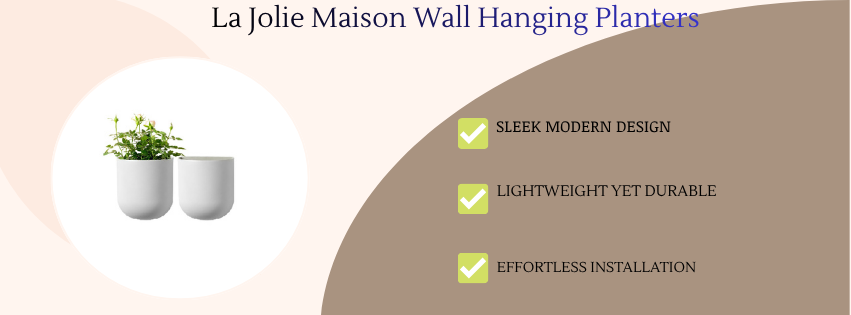
Why ceramic works so well
Ceramic naturally regulates temperature and moisture around plant roots. Unlike thin plastic containers that heat up quickly or dry unevenly, ceramic slows environmental changes.
This stability leads to:
- Healthier root systems
- Less frequent watering stress
- More consistent growth patterns
How to implement it
Install ceramic wall planters in:
- Living room feature walls
- Entryways
- Bright corridors
- Home office plant backdrops
Because ceramic is heavier, always mount into:
- Wall studs OR
- Heavy-duty masonry anchors
Cost considerations
- Budget ceramic sets: $60–$150
- Mid-range designer ceramics: $150–$400
- Artisan or handmade collections: $400–$1,200+
Maintenance impact
Low to moderate, but installation quality determines long-term safety and stability.
Choosing the Best Ceramic Wall Mounted Planters Indoor
Not all ceramic planters are suitable for wall mounting. Structural strength matters as much as design.
What makes a good ceramic wall planter
Look for:
- Thick-walled ceramic (resists cracking under load)
- Pre-drilled drainage holes
- Reinforced metal mounting brackets
- Glazed interior (reduces water absorption)
Why this works
Ceramic is strong in compression but fragile under impact. Reinforcement prevents stress fractures caused by wet soil weight.
How to implement
Avoid decorative-only ceramics that were not designed for soil weight. Always confirm load rating or plant-specific design.
Cost considerations
Structural ceramic wall planters are slightly more expensive but reduce long-term replacement costs.
Maintenance impact
Minimal if installed correctly; high if poorly mounted.
Best Plants for Ceramic Wall Mounted Planters Indoor
Ceramic enhances both foliage color and plant structure, making it ideal for visually striking species.
Trailing plants (best visual payoff)
- Pothos (Golden, Marble Queen)
- Philodendron hederaceum
- String of Hearts
- English Ivy
Why they work
They soften rigid ceramic edges and create cascading movement.
Maintenance impact
Low pruning required every 3–6 weeks.
Sculptural foliage plants
- Calathea varieties
- ZZ Plant (Zamioculcas zamiifolia)
- Snake Plant (Sansevieria)
- Peperomia obtusifolia
Why they work
Ceramic highlights leaf texture and color contrast.
Maintenance impact
Low to moderate depending on humidity.
Humidity-loving plants
- Ferns (Boston Fern, Bird’s Nest Fern)
- Prayer Plant (Maranta)
- Fittonia
Why they work
Ceramic retains moisture stability better than plastic or metal.
Maintenance impact
Requires consistent humidity monitoring.
Soil Types and Composition for Ceramic Wall Planters
Soil choice is critical because ceramic retains moisture longer than plastic.
Recommended mix
- 40% high-quality indoor potting soil
- 30% coco coir (moisture regulation)
- 20% perlite (drainage + oxygen flow)
- 10% orchid bark or worm castings
Why this works
Ceramic slows evaporation, so soil must prevent waterlogging while retaining structure.
How to implement
Avoid dense garden soil entirely. It compacts quickly and suffocates roots in ceramic containers.
Cost considerations
Slightly higher than basic soil mixes, but prevents root rot—saving long-term replacement costs.
Maintenance impact
Reduced watering frequency but higher need for moisture monitoring.
Drainage Requirements: The Most Important Factor
Ceramic without drainage is a high-risk system.
Why drainage matters
Ceramic holds moisture longer. Without drainage, roots can sit in water too long, leading to rot.
How to implement
Always choose:
- Bottom drainage holes
- Hidden drip trays OR
- Layered drainage system (LECA or gravel base)
Cost considerations
Drainage-compatible ceramic planters cost slightly more but eliminate plant loss risk.
Maintenance impact
Significantly reduces root disease and fungal issues.
Container Depth Guidelines for Ceramic Wall Planters
Depth determines root health more than planter shape.
| Plant Type | Ideal Depth |
| Succulents | 4–6 inches |
| Herbs | 6–8 inches |
| Pothos | 6–8 inches |
| Ferns | 8–10 inches |
| Philodendrons | 8–12 inches |
| Monstera (young) | 10–14 inches |
Why this works
Deeper ceramic holds stable moisture zones and reduces drying fluctuations.
Maintenance impact
Deeper planters reduce watering frequency but increase soil volume weight.
Light Requirements: Matching Plants to Your Living Room
Ceramic reflects and enhances natural light subtly, improving plant aesthetics but not replacing actual sunlight.
North-facing rooms
Low light conditions:
- ZZ Plant
- Snake Plant
- Pothos
East-facing rooms
Soft morning light:
- Ferns
- Philodendrons
- Calathea
South-facing rooms
Bright indirect light:
- Succulents
- Jade Plant
- String of Hearts
West-facing rooms
Strong afternoon light:
- Rubber Plant
- Monstera
- Philodendron
Cost consideration
Low-light rooms may require supplemental grow lights.
Maintenance impact
Grow lights increase plant survival in darker interiors.
Watering Strategy for Ceramic Wall Planters
Ceramic changes watering behavior significantly.
General rule
Water less frequently but more carefully.
Frequency guide
- Succulents: every 2–4 weeks
- Tropical plants: every 7–10 days
- Ferns: every 3–5 days
Why this works
Ceramic slows evaporation, keeping soil moist longer.
How to implement
Always check top 2 inches of soil before watering.
Maintenance impact
Lower frequency but higher importance of monitoring.
Pest Prevention in Ceramic Wall Planter Systems
Healthy indoor ecosystems still face pest risks.
Common pests
- Fungus gnats
- Spider mites
- Mealybugs
- Scale insects
Why ceramic helps indirectly
Stable moisture reduces stress, making plants less vulnerable.
Prevention steps
- Avoid overwatering
- Ensure airflow around wall installations
- Inspect soil monthly
- Clean ceramic surfaces regularly
Maintenance impact
Low if environment is balanced.
Beginner Mistakes to Avoid
1. Overwatering ceramic planters
Why it fails: moisture retention is higher than expected
Fix: always test soil before watering
2. Using heavy soil mixes
Why it fails: compacts roots
Fix: use airy, perlite-rich blends
3. Poor wall mounting
Why it fails: ceramic is heavy
Fix: always anchor into studs or masonry
4. Choosing wrong plants for light
Why it fails: growth stalls or burns
Fix: match plant to window direction
Maintenance impact
Avoiding these mistakes reduces plant loss by up to 70–80%.
Budget vs Premium Ceramic Wall Planter Setups
Budget setup ($80–$200)
Includes:
- Mass-produced ceramic planters
- Basic potting mix
- Easy-care plants
Pros:
- Affordable entry point
- Easy to scale
Cons:
- Less design refinement
- Heavier DIY installation burden
Premium setup ($300–$1,500+)
Includes:
- Artisan ceramic planters
- Designer wall systems
- Self-watering inserts
- Integrated grow lights
Pros:
- High visual impact
- Better plant performance
- Long-term durability
Cons:
- Higher upfront investment
Helpful Product Categories to Consider
To build a high-performing ceramic wall garden, consider:
- Ceramic wall planter sets (structural, drainage-safe)
- Premium potting soil mixes (aerated + moisture balanced)
- Full-spectrum grow lights (for low-light rooms)
- Self-watering inserts (reduce watering frequency)
- Drip irrigation kits (for multi-planter walls)
- Herb starter kits (kitchen wall gardens)
- Raised garden beds (for complementary outdoor gardening)
Frequently Asked Questions
Are ceramic wall mounted planters indoor safe for heavy plants?
Yes, if properly anchored into studs or masonry with rated hardware.
Do ceramic wall planters need drainage holes?
Absolutely. Without drainage, root rot risk increases significantly.
What plants grow best in ceramic wall planters?
Pothos, philodendrons, snake plants, ZZ plants, and ferns perform exceptionally well.
How often should ceramic wall planters be watered?
Typically every 5–10 days depending on plant type and humidity.
Are ceramic wall planters better than plastic?
Yes for stability, aesthetics, and root temperature control, but they are heavier and require stronger mounting.
Can ceramic wall planters crack?
Yes, if dropped or poorly mounted. Proper installation prevents structural stress.
Conclusion
Ceramic wall mounted planters indoor offer one of the most refined ways to bring greenery into your home. They combine functional gardening benefits with architectural beauty, turning empty walls into living design features. When paired with the right soil, proper drainage, thoughtful plant selection, and correct lighting, ceramic planters can support long-term plant health while elevating interior aesthetics for years. Start with a small installation, learn how your environment responds, and expand gradually. Over time, your ceramic wall garden becomes more than décor it becomes a living, evolving part of your home that adds calm, beauty, and natural balance to everyday life.
