Every product is independently reviewed and selected by our editors. If you buy something through our links, we may earn an affiliate commission at no extra cost to you.
Many homeowners love indoor plants but struggle with limited floor space, crowded shelves, and rooms that feel cluttered rather than calming. Traditional pots often take up valuable square footage, making it difficult to expand a plant collection without sacrificing functionality. Living room wall mounted planters indoor provide a practical solution. By utilizing vertical space, you can showcase more plants, improve room aesthetics, and create a living feature wall that enhances your home’s atmosphere. This guide covers everything you need to know from choosing the right planter systems and plants to understanding soil, drainage, lighting, watering, and maintenance requirements so you can build a thriving indoor wall garden with confidence.
Quick Summary Box
- Wall-mounted planters maximize unused vertical space.
- Ideal for apartments, condos, and small living rooms.
- Proper drainage is critical for plant health.
- Lightweight potting mixes work best for vertical gardens.
- Match plants to window direction and light exposure.
- Trailing plants create the most dramatic visual effect.
- Self-watering systems reduce maintenance.
- Grow lights help compensate for low natural light.
- Larger planters support healthier root systems.
- Proper installation ensures long-term safety and durability.
Why Living Room Wall Mounted Planters Are So Popular
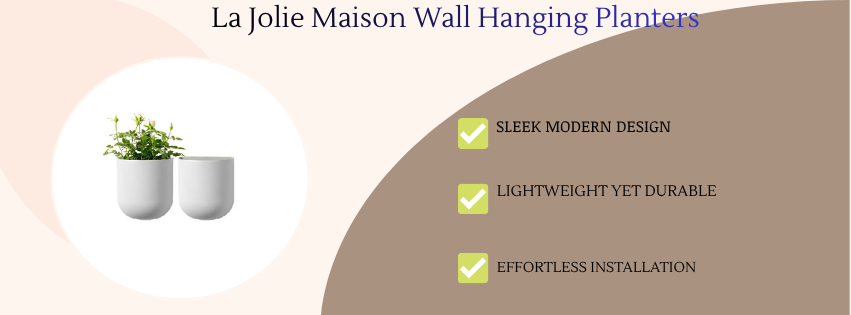
Indoor gardening trends continue to grow, especially among homeowners looking for space-saving solutions.
Why It Works
Wall-mounted planters convert unused wall space into a functional design feature. Instead of consuming floor space, plants become part of the room’s architecture.
Benefits include:
- Increased plant capacity
- Better use of space
- Reduced clutter
- Strong visual impact
- Improved room aesthetics
- Enhanced biophilic design
Biophilic design the practice of incorporating natural elements into living spaces—has been linked to improved mood and a stronger sense of well-being.
Cost Considerations
- Small setup: $50–$150
- Medium feature wall: $150–$500
- Premium living wall: $500–$2,500+
Maintenance Impact
Moderate. Proper planning significantly reduces ongoing maintenance.
Choosing the Best Wall Mounted Planters for a Living Room
Not all wall planters are created equal.
Ceramic Wall Planters
Why They Work
Ceramic offers a clean, upscale appearance and helps regulate root temperatures.
How to Implement
Use ceramic planters in modern, Scandinavian, or minimalist interiors.
Cost
Moderate to high.
Maintenance
Low, although ceramic containers require sturdy mounting hardware due to their weight.
Metal Wall Planters
Why They Work
Metal planters create a sleek contemporary aesthetic.
Best For
- Modern homes
- Industrial interiors
- Minimalist decor
Cost
Moderate.
Maintenance
Very low.
Plastic Composite Planters
Why They Work
They are lightweight and easy to install.
Cost
Budget-friendly.
Maintenance
Minimal.
Ideal For
Beginners and renters.
Wooden Wall Planters
Why They Work
Wood introduces warmth and natural texture.
Cost
Moderate.
Maintenance
Occasional sealing may be required.
The Most Beautiful Plants for Indoor Wall Planters
Plant selection determines both appearance and long-term success.
Cascading Plants That Create Instant Drama
Trailing plants soften walls and create a luxurious look.
Top choices include:
- Golden Pothos
- Satin Pothos
- Heartleaf Philodendron
- String of Hearts
- English Ivy
Why They Work
Their natural growth habit allows foliage to spill gracefully over planter edges.
Cost
Affordable to moderate.
Maintenance
Low.
Statement Foliage Plants
For bold visual impact:
- Monstera Adansonii
- Bird’s Nest Fern
- Calathea
- Peperomia
- Philodendron Brasil
Why They Work
Large leaves create texture and dimension.
Cost
Moderate.
Maintenance
Moderate humidity requirements.
Low-Light Champions
For darker living rooms:
- Snake Plant
- ZZ Plant
- Cast Iron Plant
- Chinese Evergreen
Why They Work
They tolerate reduced light levels better than most houseplants.
Maintenance
Very low.
Understanding Light Requirements for Indoor Wall Gardens
Light is often the biggest factor affecting plant health.
North-Facing Windows
Light Conditions
Low to moderate indirect light.
Recommended Plants
- ZZ Plant
- Snake Plant
- Pothos
East-Facing Windows
Light Conditions
Bright morning sunlight.
Recommended Plants
- Peace Lily
- Ferns
- Philodendrons
South-Facing Windows
Light Conditions
Brightest indoor exposure.
Recommended Plants
- Succulents
- Aloe Vera
- String of Pearls
West-Facing Windows
Light Conditions
Strong afternoon sun.
Recommended Plants
- Rubber Plant
- Monstera
- Philodendron
Building a Living Wall That Looks Professionally Designed
A successful wall garden combines plant variety, texture, and structure.
Use the Layering Method
Why It Works
Professional designers create depth by combining plants with different growth habits.
How to Implement
Arrange:
- Upright plants at the back
- Medium-height plants in the middle
- Trailing plants near edges
Cost
No additional cost.
Maintenance
Requires occasional pruning.
Soil Composition: The Secret to Healthy Wall Planters
Wall-mounted systems need lightweight soil that drains efficiently.
Recommended Potting Mix
- 40% indoor potting soil
- 30% coco coir
- 20% perlite
- 10% worm castings
Why It Works
This blend:
- Prevents compaction
- Improves drainage
- Retains moisture effectively
- Supports healthy root growth
Cost
Moderate.
Maintenance
Reduces watering issues.
Drainage Requirements You Cannot Ignore
Poor drainage is the leading cause of indoor plant failure.
Essential Drainage Features
Choose wall planters with:
- Drainage holes
- Removable trays
- Water collection systems
Why It Works
Excess water drains away instead of saturating roots.
Cost
Minimal additional expense.
Maintenance
Greatly reduces plant problems.
Container Depth Guidelines
Different plants require different root depths.
| Plant Type | Recommended Depth |
| Succulents | 4–6 inches |
| Herbs | 6–8 inches |
| Pothos | 6–8 inches |
| Ferns | 8–10 inches |
| Philodendrons | 8–12 inches |
| Monstera | 10–14 inches |
Deeper containers generally improve moisture stability and root development.
Watering Guidelines for Wall Mounted Planters
Proper watering is essential for long-term success.
Typical Watering Schedule
Succulents
Every 2–4 weeks.
Pothos
Every 7–10 days.
Philodendrons
Every 7–10 days.
Ferns
Every 3–5 days.
Tropical Plants
Every 5–10 days.
Always check soil moisture before watering rather than relying solely on a schedule.
USDA Zones and Indoor Plant Success
While indoor gardening is less dependent on USDA hardiness zones, understanding plant origins helps.
Most popular houseplants originate from tropical regions corresponding to USDA Zones 10–12.
They generally prefer:
- Temperatures between 65–85°F
- Moderate humidity
- Consistent moisture
- Frost-free conditions
Indoor environments can easily replicate these conditions.
Budget vs Premium Living Room Wall Garden Setups
Budget Setup ($100–$250)
Includes:
- Plastic composite planters
- Standard potting mix
- Easy-care plants
- Manual watering
Advantages
- Affordable
- Easy for beginners
Disadvantages
- Less dramatic visual impact
Premium Setup ($500–$2,500+)
Includes:
- Designer ceramic or metal planters
- Automated irrigation
- Full-spectrum LED grow lights
- Professional mounting systems
Advantages
- Stunning aesthetics
- Easier maintenance
Disadvantages
- Higher initial investment
Helpful Product Categories to Consider
When creating an indoor wall garden, consider these product categories.
Wall Mounted Planters
Choose containers rated for indoor use and capable of supporting mature root systems.
Potting Soil Mixes
Look for lightweight blends containing perlite and coco coir.
Self-Watering Systems
Excellent for larger installations.
Grow Lights
Select full-spectrum LED fixtures with timer functionality.
Drip Irrigation Kits
Ideal for extensive plant walls.
Herb Starter Kits
Useful for edible indoor gardens.
Raised Garden Beds
Helpful if you plan to expand gardening outdoors.
Pest Prevention Basics
Healthy plants resist pests more effectively.
Common Indoor Pests
- Fungus gnats
- Spider mites
- Mealybugs
- Scale insects
Prevention Strategies
- Avoid overwatering.
- Improve airflow.
- Inspect new plants before introducing them.
- Remove dead leaves regularly.
Monthly inspections can prevent major infestations.
Common Beginner Mistakes
Overwatering
The most common cause of houseplant death.
Ignoring Light Levels
Plants placed in unsuitable lighting quickly decline.
Using Heavy Garden Soil
Outdoor soil compacts and drains poorly indoors.
Choosing Plants Before Evaluating Conditions
Always assess light and humidity first.
Overcrowding the Wall
Allow plants enough room to mature.
FAQ
What are the best plants for living room wall mounted planters indoor?
Pothos, philodendrons, snake plants, ZZ plants, ferns, and peperomias are among the most reliable options.
Do wall-mounted indoor planters need drainage holes?
Yes. Proper drainage helps prevent root rot and promotes healthy root development.
How often should indoor wall planters be watered?
Most tropical plants need watering every 5–10 days, while succulents may only require watering every 2–4 weeks.
Are wall-mounted planters safe for apartment walls?
Yes, provided you use appropriate anchors and mounting hardware rated for the total loaded weight.
Can I use grow lights for indoor wall gardens?
Absolutely. Full-spectrum LED grow lights are highly effective for rooms with limited natural sunlight.
What size planter works best for a living room wall?
Containers between 6–12 inches deep typically accommodate most popular houseplants successfully.
Are self-watering wall planters worth the investment?
For larger installations, self-watering systems improve consistency and significantly reduce maintenance.
Conclusion
Living room wall mounted planters indoor offer one of the most effective ways to combine interior design with indoor gardening. By utilizing vertical space, you can create a striking living feature that enhances your home’s aesthetics without sacrificing valuable floor space. Success depends on selecting appropriate plants, providing proper drainage, using high-quality potting soil, and matching plant choices to available light conditions. Whether you start with a simple arrangement of trailing pothos or build an elaborate living wall filled with tropical foliage, the transformation can be remarkable.Begin with a manageable setup, focus on plant health, and expand gradually as your confidence grows. Over time, your indoor wall garden can become a thriving focal point that improves your home’s atmosphere, maximizes space efficiency, and brings lasting enjoyment for years to come.
