Every product is independently reviewed and selected by our editors. If you buy something through our links, we may earn an affiliate commission at no extra cost to you.
Many people start indoor gardening with excitement, only to discover that their plants grow leaves but never produce anything edible or worse, they struggle and die. From real indoor growing experience, this frustration usually comes down to one thing: choosing food plants that aren’t suited to indoor conditions.
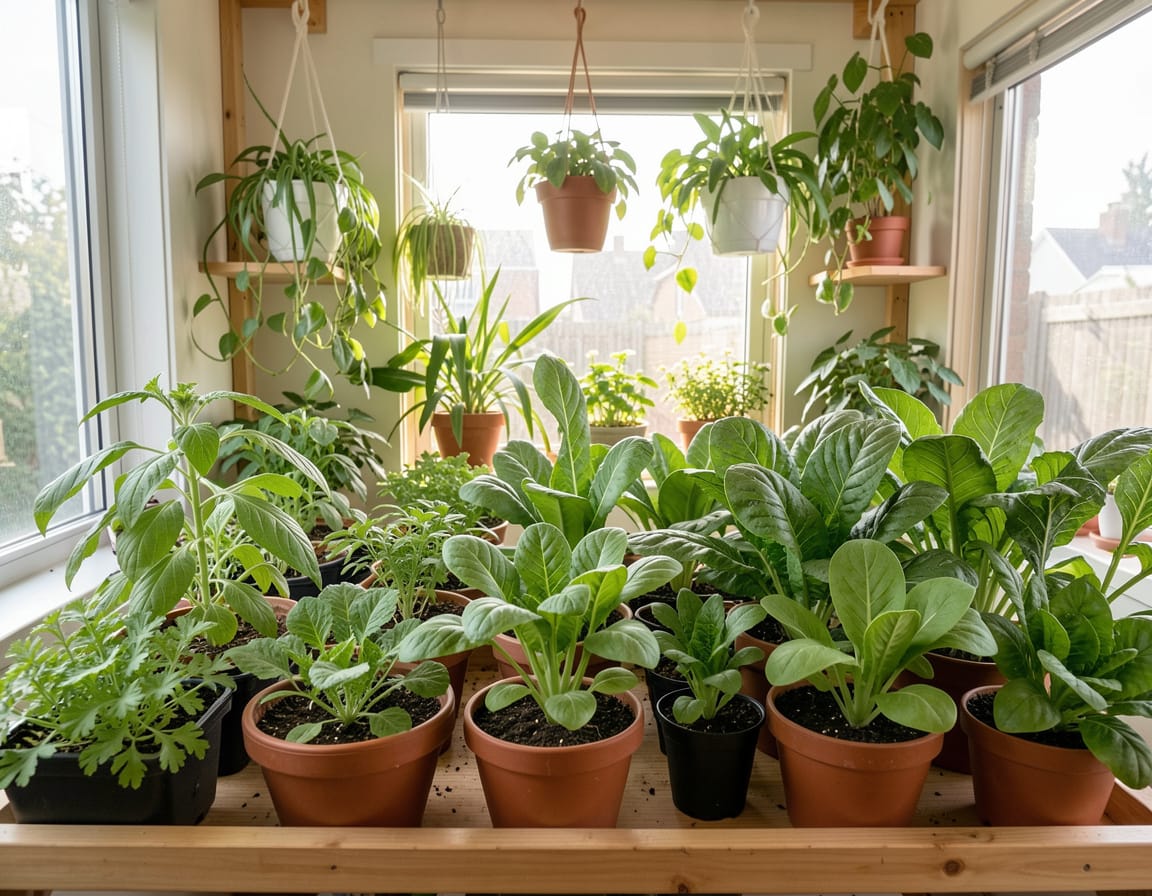
If you’re asking what food plants can I grow indoors, the good news is this: you can grow a surprising amount of fresh, useful food inside your home if you pick the right plants and grow them the right way.
This guide focuses on reliable, beginner-friendly food plants, explains why they work indoors, and shows you exactly how to grow them step by step using simple tools and realistic expectations.
Why Growing Food Indoors Often Fails (and How to Avoid It)
Indoor environments are stable but limited:
- Light is weaker than outdoors
- Air circulation is lower
- Space is restricted
- Pollinators are absent
Plants that need:
- Full sun all day
- Large root systems
- Wind, insects, or seasonal changes
will struggle indoors.
In real homes, the best indoor food plants are fast-growing, compact, and harvested young. Once beginners understand this, success rates improve dramatically.
Why This Indoor Food Growing Method Works
Indoor food gardening works when you focus on:
- Leafy harvests instead of fruit-heavy crops
- Plants that regenerate after cutting
- Short growth cycles
- Shallow or adaptable root systems
From hands-on indoor setups, herbs, leafy greens, and compact fruiting plants outperform everything else.
Simple plant biology explanation:
Leaves store and produce energy faster than fruits. That’s why leafy crops tolerate lower light and indoor conditions much better.
What You’ll Need to Grow Food Plants Indoors
Basic Essentials
- Containers with drainage holes
- Lightweight potting mix (not garden soil)
- Seeds or healthy starter plants
- Watering can or bottle
- Bright window or basic grow light
Budget-Friendly & Eco-Safe Options
- Reuse food containers (add drainage holes)
- DIY seed trays from egg cartons
- Compost-based organic potting mix
- Natural liquid fertilizers (worm tea, compost tea)
Safety Notes
- Wash hands after handling soil
- Keep plants away from pets that chew leaves
- Avoid chemical pesticides indoors
Best Food Plants You Can Grow Indoors (Proven Choices)
1. Leafy Greens (Most Reliable Indoor Food Plants)
Best options:
- Lettuce
- Spinach
- Arugula
- Swiss chard
- Baby kale
Why they work indoors:
- Harvestable in 3–5 weeks
- Grow well in containers
- Thrive in moderate light
Harvest tip:
Cut outer leaves and let the plant regrow.
2. Herbs (Perfect for Beginners)
Top indoor herbs:
- Basil
- Mint
- Parsley
- Cilantro
- Chives
- Oregano
Real-world insight:
Herbs forgive missed waterings better than vegetables and show problems early.
Light needs:
4–6 hours of bright indirect light or a small grow light.
3. Green Onions (Scallions)
One of the easiest indoor food plants.
Why beginners love them:
- Grow from kitchen scraps
- Harvest in 2–3 weeks
- Minimal care
How:
Place root ends in shallow water or soil and keep near a bright window.
4. Microgreens (Fastest Indoor Food)
Popular microgreens:
- Radish
- Pea shoots
- Mustard greens
- Broccoli
Why they succeed indoors:
- Harvest in 7–14 days
- Need very little light
- Shallow roots
Great for apartments and winter growing.
5. Cherry Tomatoes (With Extra Light)
Best varieties:
- Dwarf cherry tomatoes
- Patio or bush types
Important reality check:
They can grow indoors, but only with strong light and patience.
Beginner warning:
Without enough light, plants grow tall but won’t fruit.
6. Peppers (Small Varieties)
Good indoor types:
- Chili peppers
- Dwarf bell peppers
Key requirement:
Warm temperatures and bright light.
Peppers perform better on sunny balconies but can work indoors with grow lights.
7. Radishes (Fast Root Crop)
Why radishes work indoors:
- Short growth cycle (25–35 days)
- Compact roots
- Tolerate cooler temperatures
Use deep containers for straight roots.
Step-by-Step: How to Grow Food Plants Indoors Successfully
Step 1: Choose the Right Location
- Bright east or south-facing window
- Supplemental grow light if sunlight is weak
Visual cue:
If shadows are soft, leafy greens will still grow.
Step 2: Use the Right Soil
- Loose, airy potting mix
- Never use outdoor garden soil indoors
Soil texture test:
Squeeze soil it should crumble, not clump.
Step 3: Planting & Timing
- Sow seeds shallow (most indoor crops need light to germinate)
- Best indoor growing seasons: fall, winter, early spring
Indoor growing avoids weather stress, so timing is flexible.
Step 4: Watering Correctly
- Water when top 2–3 cm of soil dries
- Avoid soggy containers
Beginner mistake:
Watering small plants daily causes root rot.
Step 5: Feeding Your Plants
- Light feeding every 2–4 weeks
- Organic liquid fertilizer at half strength
Overfeeding causes leafy growth but weak flavor.
Best Practices From Real Indoor Gardens
- Harvest often to encourage regrowth
- Rotate containers weekly for even growth
- Group plants to increase humidity
- Keep leaves dust-free for better photosynthesis
Common Beginner Mistakes
- Growing fruit crops without enough light
- Overwatering
- Using oversized containers
- Expecting supermarket-sized harvests
FAQ
Can I grow vegetables indoors without sunlight?
Leafy greens and herbs can grow under grow lights, but fruiting plants need strong light.
Why are my indoor plants tall but weak?
This is usually caused by insufficient light.
How often should I harvest indoor food plants?
Harvest small amounts regularly to keep plants productive.
Are indoor-grown vegetables safe to eat?
Yes, when grown in clean soil without chemical pesticides.
Do indoor food plants attract pests?
Less than outdoor plants, but fungus gnats can appear if soil stays too wet.
When NOT to Use This Method
Indoor food gardening may struggle if:
- You have very low light and no grow lights
- Indoor temperatures are constantly below 15°C (60°F)
- You want large fruit harvests
Safer Alternatives
- Grow microgreens only
- Use balcony or window box gardening
- Combine indoor seedlings with outdoor finishing
Alternative Indoor Food Growing Methods
Hydroponics
Pros: Fast growth, no soil
Cons: Higher setup cost, learning curve
Window Box Soil Growing
Pros: Simple, natural
Cons: Limited light
Grow Light Shelving
Pros: Maximum yield indoors
Cons: Requires electricity
Conclusion
From real indoor growing experience, the most successful choices are leafy greens, herbs, microgreens, green onions, and compact vegetables. These plants work with indoor conditions instead of fighting them.
Start with one or two crops, observe how they respond, and build gradually. Indoor food gardening isn’t about perfection it’s about fresh, reliable harvests from small, manageable spaces. With patience and the right plant choices, your home can produce real, healthy food year-round.
