Every product is independently reviewed and selected by our editors. If you buy something through our links, we may earn an affiliate commission at no extra cost to you.
Many people buy indoor plants with good intentions only to watch them decline within weeks. Leaves yellow, soil stays wet, pests appear, and confidence drops fast. In real homes I’ve worked with, this usually isn’t because people “lack a green thumb.” It’s because they started with the wrong plants for indoor conditions.
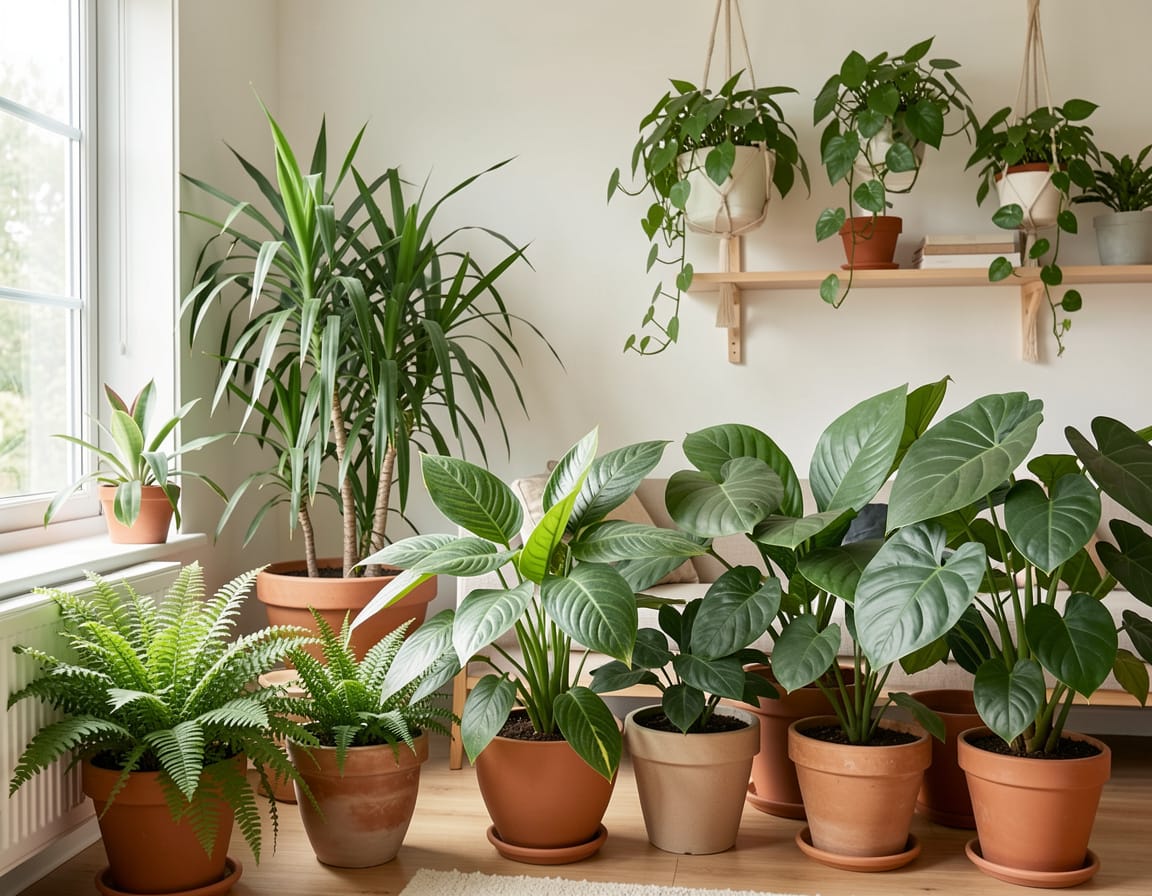
Understanding what are the top 10 indoor plants isn’t about trends or aesthetics alone. It’s about choosing plants that naturally tolerate indoor light, dry air, irregular watering, and modern living spaces. This guide focuses on plants that actually perform well in apartments, houses, balconies, and small indoor corners based on real experience, not marketing claims.
If you want indoor plants that look good, support a calmer home environment, and don’t demand constant care, start here.
Why Choosing the Right Indoor Plants Works (Simple Plant Logic)
Indoor environments are very different from outdoor gardens. Light is weaker, air is drier, and soil dries unevenly. The top indoor plants share a few key traits:
- Adaptability to indirect or low light
- Slow to moderate growth rates
- Tolerance of missed watering
- Strong leaves and roots that resist stress
Plants that fail indoors usually need intense sun, constant airflow, or frequent watering conditions most homes can’t provide consistently.
Choosing plants that match your environment is the fastest way to success.
What You’ll Need to Succeed With Indoor Plants
You don’t need expensive tools just the basics.
Essentials
- Pots with drainage holes
- Well-draining indoor potting mix
- A watering can with a narrow spout
- Indirect light source (window, balcony door, skylight)
Budget-Friendly & Eco-Safe Options
- Reused ceramic or terracotta pots
- DIY soil mix (potting soil + perlite)
- Rainwater or filtered water
Safety Notes
- Some plants are toxic if chewed by pets or children
- Wear gloves when repotting
- Avoid chemical leaf shine products indoors
The Top 10 Indoor Plants That Actually Thrive Indoors
1. Snake Plant (Sansevieria / Dracaena trifasciata)
Why it’s top-tier:
In real homes, snake plants survive where others fail low light, dry air, and irregular watering.
- Light: Low to bright indirect
- Water: Every 2–3 weeks
- Best for: Bedrooms, offices, beginners
Beginner warning: Overwatering is the only real risk.
2. Pothos (Epipremnum aureum)
A classic for good reason.
- Light: Low to medium
- Water: When top soil dries
- Growth habit: Trailing or climbing
What beginners often miss:
Pothos thrives better when slightly neglected.
3. ZZ Plant (Zamioculcas zamiifolia)
One of the toughest indoor plants available.
- Light: Low to bright indirect
- Water: Infrequent
- Strength: Thick rhizomes store water
Perfect for people who travel or forget to water.
4. Peace Lily (Spathiphyllum)
Elegant and expressive it tells you when it’s thirsty.
- Light: Medium to low indirect
- Water: When leaves droop slightly
- Bonus: Visual feedback for beginners
Caution: Toxic to pets.
5. Spider Plant (Chlorophytum comosum)
Reliable, fast-growing, and forgiving.
- Light: Bright indirect
- Water: Weekly
- Bonus: Produces baby plants easily
Great for hanging baskets and shelves.
6. Rubber Plant (Ficus elastica)
A bold plant that suits modern interiors.
- Light: Bright indirect
- Water: Moderate
- Growth: Upright and structured
Tip: Rotate monthly for even growth.
7. Philodendron (Heartleaf or Upright Types)
Excellent for beginners who want lush greenery.
- Light: Low to medium
- Water: When top soil dries
- Habit: Trailing or compact
More forgiving than many people expect.
8. Aloe Vera
Practical and low-maintenance.
- Light: Bright light
- Water: Every 2–3 weeks
- Bonus: Useful gel
Common mistake: Keeping it in shade because it needs light.
9. Chinese Evergreen (Aglaonema)
One of the best plants for low-light apartments.
- Light: Low to medium
- Water: Moderate
- Bonus: Decorative foliage
Excellent for bedrooms and hallways.
10. Parlor Palm (Chamaedorea elegans)
A classic indoor palm that stays compact.
- Light: Medium to low
- Water: Even moisture
- Best for: Living rooms
More tolerant of indoor air than most palms.
Step-by-Step: How to Keep These Top 10 Indoor Plants Healthy
Step 1: Place Plants Based on Light
- Bright indirect: Near windows, filtered light
- Low light: 6–10 feet from windows
Step 2: Water by Soil, Not Schedule
- Stick a finger 1–2 inches deep
- Water only when soil feels dry
Step 3: Use Proper Drainage
Standing water causes root rot faster than underwatering.
Step 4: Clean Leaves Monthly
Dust blocks light. Use a damp cloth no chemicals.
Pro Tips & Best Practices (From Real Homes)
- Fewer plants cared for well beat many neglected ones
- Group plants to stabilize humidity
- Use terracotta for heavy waterers
- Repot only when roots crowd the pot
Common Beginner Mistakes
- Overwatering
- No drainage holes
- Placing plants in dark corners
- Constantly moving plants
FAQ
What are the top 10 indoor plants for beginners?
Snake plant, pothos, ZZ plant, spider plant, and philodendron are the easiest starters.
Why are my indoor plant leaves turning yellow?
Most often from overwatering or poor drainage.
Can indoor plants survive in low light apartments?
Yes plants like snake plant, ZZ plant, and aglaonema are ideal.
How often should I repot indoor plants?
Every 1–2 years, or when roots circle the pot.
Are indoor plants safe around pets?
Some are toxic. Research each plant before placement.
When NOT to Follow This List
This list may not suit you if:
- You want flowering plants year-round
- You have intense direct sunlight all day
- You want edible plants
Safer Alternatives
- Herbs for sunny kitchens
- Outdoor container plants
- Artificial plants for dark rooms
Alternative Approaches to Indoor Greenery
Live Indoor Plants
Pros: Real growth, air balance, satisfaction
Cons: Require care
Low-Maintenance Succulents
Pros: Minimal watering
Cons: High light needs
Hydroponic Indoor Systems
Pros: Fast growth, clean
Cons: Higher setup cost
Conclusion
So, what are the top 10 indoor plants worth growing in real homes?
They’re plants that tolerate imperfect care, adapt to indoor light, and grow steadily without constant attention. Starting with these plants builds confidence, reduces frustration, and creates a healthier, calmer living space.
Choose plants that fit your environment, observe them closely, and adjust slowly. Indoor gardening isn’t about perfection it’s about consistency, patience, and choosing plants that want to live where you do.
