Every product is independently reviewed and selected by our editors. If you buy something through our links, we may earn an affiliate commission at no extra cost to you.
If you’ve ever held a peach pit in your hand and wondered what it would take to grow a tree from it, you’re not alone. One of the most common questions I hear from homeowners and renters is how long does it take for a peach pit to grow into a tree, and just as importantly whether it’s truly worth the effort.
From an organic home and garden perspective, growing a peach tree from seed is less about speed and more about intention. It connects food, patience, mental well-being, and sustainable living in a way few projects do. In real homes I’ve worked with, peach pits often start as small indoor experiments and grow into long-term outdoor companions that shape both landscapes and lifestyles.
This guide explains the real timeline, the realistic expectations, and how this slow-growing journey fits beautifully into toxin-free living, organic home décor ideas, and sustainable home design.
Why Understanding How Long It Takes for a Peach Pit to Grow Into a Tree Matters
Health & Indoor Air Quality
The early stages of growing a peach pit often happen indoors. Even as a seedling, a peach plant contributes to cleaner indoor air, higher humidity balance, and a sense of vitality especially during colder months when homes are sealed tight.
Mental Well-Being & Stress Reduction
Growing a peach tree from a pit is an exercise in patience. In my experience working with homeowners, long-term plant projects reduce anxiety because they shift focus away from instant results and toward steady care and progress.
Sustainability & Environmental Impact
Starting a tree from a discarded pit diverts waste, reduces reliance on mass-produced nursery stock, and supports organic gardening practices that prioritize resilience over convenience.
Creating a Toxin-Free, Calming Living Space
When grown using organic soil, untreated containers, and natural light, peach seedlings fit seamlessly into natural interior decoration, reinforcing a calm, grounded environment rooted in living materials rather than synthetic décor.
The Short Answer: How Long Does It Take for a Peach Pit to Grow Into a Tree?
Here’s the honest, experience-based timeline:
- Germination: 1–3 months (after proper cold stratification)
- Seedling stage: 6–12 months
- Young tree (planted outdoors): 2–3 years
- First flowers: 3–4 years
- First fruit: 3–5 years (sometimes longer)
So, when people ask how long does it take for a peach pit to grow into a tree, the realistic answer is: several years, with fruit being a long-term reward not a quick one.
Everyday Organic Styling & Care Routine (From Pit to Young Tree)
Growing a peach tree is not high-maintenance, but it does require consistency.
Daily / Weekly Indoor Care (Seed & Seedling Stage)
- Check soil moisture (never soggy)
- Ensure bright, indirect light
- Rotate container weekly for even growth
Monthly Habits
- Inspect leaves for stress or discoloration
- Clean nearby surfaces to improve light reflection
- Gently loosen soil surface for airflow
In real homes, I encourage treating seedlings like part of your décor placing them near windows, shelves, or plant stands where they’re visible and naturally cared for.
What You’ll Need to Grow a Peach Tree From a Pit (Organically & Sustainably)
Essential Supplies Explained
| Item | What It Is | Why It’s Used | Organic / Health Benefits | Sustainability Considerations |
| Peach Pit | Seed from a fresh peach | Starting point of the tree | Zero chemical input | Reuses kitchen waste |
| Organic Potting Mix | Chemical-free soil | Supports early root growth | No synthetic fertilizers | Choose peat-free mixes |
| Container | Pot with drainage | Prevents root rot | Safe for indoor air | Terracotta or ceramic preferred |
| Refrigerator | Cold stratification tool | Mimics winter dormancy | Natural germination trigger | No added energy use beyond normal |
| Grow Light (optional) | Supplemental lighting | Supports winter growth | Prevents weak seedlings | Energy-efficient LEDs |
| Mulch | Straw or bark | Moisture control | Soil health | Biodegradable |
From professional experience, soil quality and drainage matter more than fancy tools.
How Long Does It Take for a Peach Pit to Grow Into a Tree? (Step-by-Step Timeline)
Step 1: Preparing the Peach Pit (Weeks 1–2)
Clean the pit thoroughly and allow it to dry. Some growers crack the pit to extract the seed, but I’ve seen equal success leaving it intact especially for beginners.
Step 2: Cold Stratification (6–10 Weeks)
Place the pit in a damp paper towel inside a breathable bag and refrigerate. This simulates winter dormancy and is essential. Skipping this step is one of the most common reasons seeds fail.
Step 3: Germination (1–3 Months)
Once the pit sprouts, plant it in organic soil about 1–2 inches deep. Keep soil lightly moist and provide bright light.
Step 4: Seedling Growth (First Year)
This stage is slow and subtle. Expect leaf development, not height. In my experience, patience here prevents weak trees later.
Step 5: Transition Outdoors (Year 1–2)
Once the seedling is sturdy, it can be hardened off and planted outdoors—weather and location permitting.
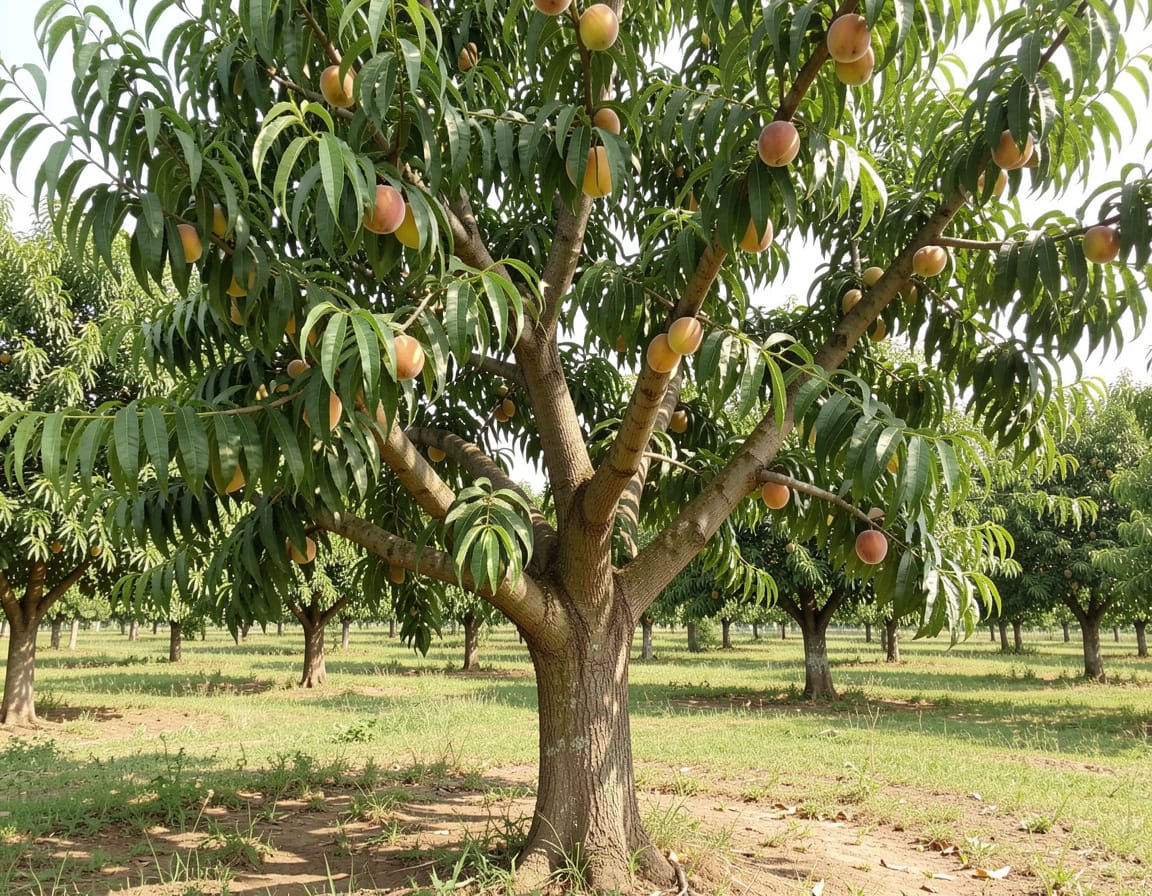
Step 6: Tree Maturity & Fruit (Years 3–5+)
Flowering and fruiting depend on climate, care, and genetics. Seed-grown trees are unpredictable, which is part of their charm.
Deep Organic Setup or Seasonal Refresh for Long-Term Growth
Seasonal Indoor Refresh
- Refresh topsoil annually
- Adjust lighting as seasons change
- Rotate plant placement for balanced growth
Outdoor Seasonal Care
- Mulch heavily in winter
- Prune lightly in early spring
- Compost naturally rather than fertilizing heavily
These habits support long-term plant health and align with eco-friendly home styling that values longevity over replacement.
Prevention & Sustainability Tips for Peach Tree Success
Avoid Synthetic Décor & Toxic Finishes
Decorative pots with chemical glazes can leach toxins into soil. Stick with raw clay, ceramic, or untreated wood.
Prevent Plant Stress
- Avoid sudden temperature changes
- Protect young trees from frost
- Water deeply but infrequently
Reduce Waste
- Reuse containers
- Compost fallen leaves
- Use rainwater when possible
Maintain Organic Beauty
A healthy peach tree indoors or out should feel like a natural extension of your home, not an obligation.
Common Mistakes to Avoid When Growing a Peach Tree From a Pit
Believing Fruit Will Match the Parent Peach
Seed-grown trees often differ from store-bought fruit. This isn’t failure it’s natural genetics.
Overwatering Indoors
Too much water suffocates roots and invites mold, harming indoor air quality.
Poor Light Placement
Leggy seedlings signal insufficient light. Bright, consistent exposure is essential.
Using Chemically Treated Materials
Synthetic fertilizers and treated wood undermine organic gardening practices and long-term soil health.
Local U.S. Home Context: Realistic Growing Scenarios
Small Apartments & Rentals
Start peach pits indoors as educational or decorative projects, then gift or transplant outdoors later.
Open-Concept Homes
Seedlings make excellent focal points near windows, blending into natural interior decoration.
Climate Variations
Peach trees thrive in many U.S. zones but require winter chill hours. Southern and mid-Atlantic regions are especially suitable.
Urban vs Suburban Homes
Urban growers often treat peach trees as long-term container projects. Suburban homeowners benefit from backyard planting.
Limited Natural Light
Grow lights can bridge seasonal gaps, especially during winter germination stages.
Extra Expert Tips From Hands-On Experience
- Budget Tip: Start multiple pits to increase success rate
- Low-Maintenance Strategy: Focus on soil health rather than frequent feeding
- Design Tip: Pair young trees with neutral planters and wood textures
- Sustainability Hack: Share surplus seedlings with neighbors or community gardens
- Long-Term Mindset: Treat the process as a living timeline, not a productivity goal
These approaches turn slow growth into a meaningful, sustainable practice.
FAQ: Peach Trees, Timeframes, and Organic Living
1. How long does it take for a peach pit to grow into a tree that produces fruit?
Typically 3–5 years, depending on care, climate, and genetics.
2. Can I grow a peach tree entirely indoors?
Only temporarily. Peach trees eventually require outdoor conditions to thrive long-term.
3. Do I need fertilizer for a peach seedling?
High-quality organic soil is usually sufficient for the first year.
4. Are peach trees safe for homes with pets?
The tree itself is generally safe, but pits should be kept away from pets.
5. Why isn’t my peach pit sprouting?
Lack of cold stratification is the most common issue.
6. Is growing from a pit better than buying a tree?
It’s not faster, but it’s more sustainable and personally rewarding.
Conclusion
So, how long does it take for a peach pit to grow into a tree? Long enough to teach patience, care, and respect for natural timelines. In real homes, this process becomes more than gardening it becomes part of a lifestyle rooted in sustainability, mental well-being, and organic living.
By integrating peach seedlings into eco-friendly home styling, using natural materials, and embracing slow growth, you create more than a tree. You create a living symbol of intention, resilience, and trust in nature’s pace.
For those committed to toxin-free, sustainable homes, growing a peach tree from a pit is not just realistic it’s deeply rewarding.
