Every product is independently reviewed and selected by our editors. If you buy something through our links, we may earn an affiliate commission at no extra cost to you.
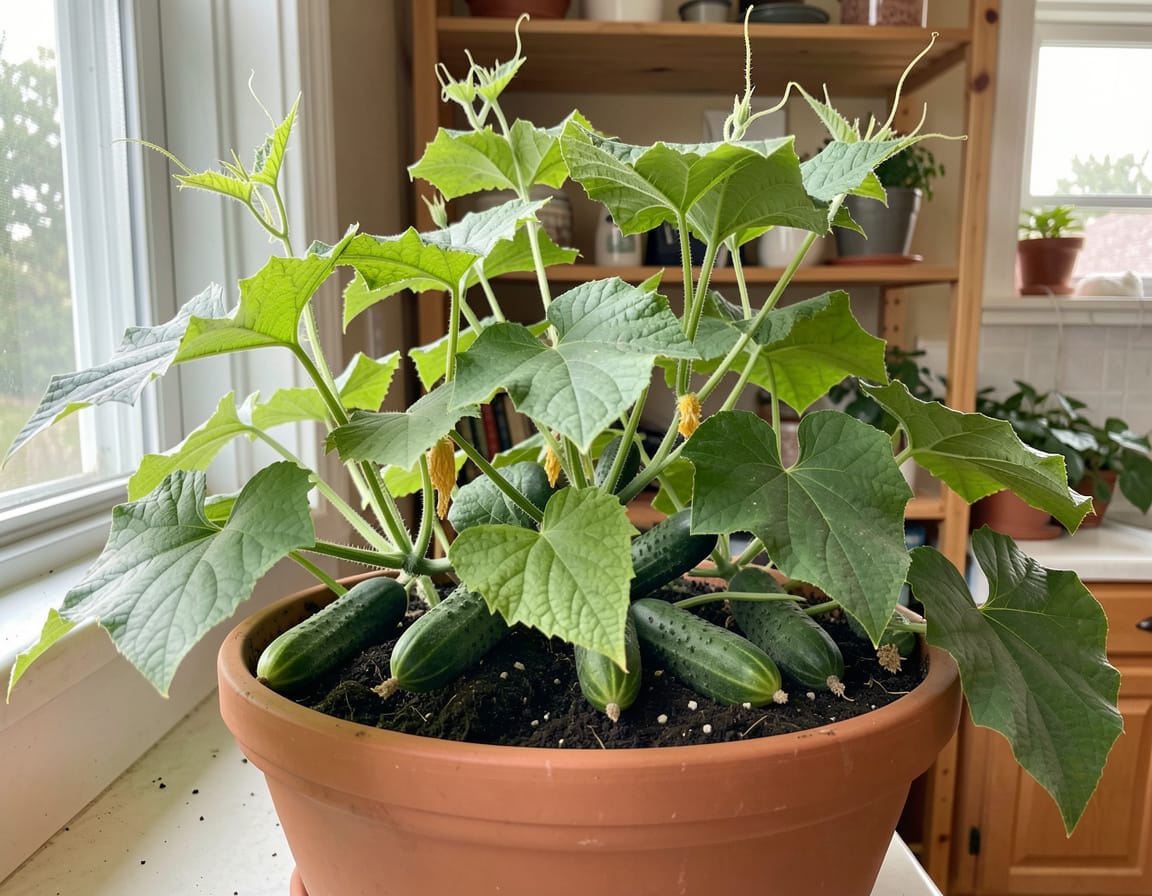
Growing food indoors is no longer just a hobby it’s a practical response to modern living. Learning How To Grow Cucumbers Indoors allows homeowners and renters to enjoy fresh, chemical-free produce while enhancing their living space with natural beauty. In real homes I’ve worked with across the U.S., indoor cucumbers have become both a food source and a living design feature that supports better air quality, mental well-being, and sustainable home design.
When done correctly, indoor cucumbers fit seamlessly into organic home décor ideas, blending edible gardening with calm, natural interior decoration. This guide is written from hands-on experience, focusing on what actually works in apartments, rentals, and everyday American homes.
Why Learning How To Grow Cucumbers Indoors Matters
Health & Indoor Air Quality
Store-bought cucumbers are often treated with synthetic pesticides and waxes. Growing them indoors eliminates that exposure. In my experience working with families, indoor edible plants also encourage better airflow management and humidity balance especially when paired with other indoor plants and natural materials.
Mental Well-Being & Stress Reduction
Cucumbers are fast growers. Watching vines climb and flowers form creates a sense of momentum and satisfaction that many clients find deeply grounding. Indoor gardening routines provide structure, especially for people working from home.
Sustainability & Environmental Impact
Indoor cucumbers reduce food miles, plastic packaging, and reliance on industrial agriculture. Even one healthy plant can meaningfully cut down grocery waste over a season, supporting eco-friendly home styling in a very real way.
Creating a Toxin-Free, Calming Living Space
When grown using organic soil, untreated containers, and natural supports, cucumbers contribute to a clean, non-toxic home environment aligned with sustainable home design principles rather than decorative excess.
Everyday Organic Styling & Care Routine for Indoor Cucumbers
Indoor cucumbers thrive on routine. The goal is not constant attention, but steady, mindful care.
Daily Habits (5 minutes)
- Check soil moisture at the surface
- Observe leaf color and firmness
- Gently guide vines along supports
Weekly Habits
- Rotate the container slightly for even light
- Inspect flowers and developing fruit
- Wipe dust from nearby surfaces to improve light reflection
In real homes, I advise pairing plant care with a daily habit like morning coffee or evening kitchen cleanup. This keeps care consistent without becoming overwhelming.
What You’ll Need to Grow Cucumbers Indoors (Organic & Sustainable Essentials)
Cucumbers are more demanding than leafy greens, but with the right setup, they perform beautifully indoors.
Essential Supplies Explained
| Item | What It Is | Why It’s Used | Organic / Health Benefits | Sustainability Considerations |
| Cucumber Seeds | Compact or bush varieties | Better suited for indoor growth | No pesticide residue | Choose organic, non-GMO seeds |
| Large Container | 5–7 gallon pot with drainage | Supports deep root systems | Prevents root stress | Use ceramic, terracotta, or fabric pots |
| Organic Potting Mix | Chemical-free soil blend | Nutrient-rich root support | No synthetic fertilizers | Peat-free mixes protect ecosystems |
| Trellis or Support | Vertical climbing structure | Controls growth and airflow | Reduces disease risk | Bamboo, wood, or metal |
| Grow Light | Full-spectrum LED | Ensures sufficient light | Prevents weak growth | Energy-efficient LEDs |
| Watering Can | Gentle watering | Avoids soil compaction | Prevents overwatering | Durable, reusable materials |
| Organic Fertilizer | Compost or liquid organic feed | Supports fruit production | Safe for indoor air | Made from natural sources |
From professional experience, container size and light quality matter more than almost anything else.
How To Grow Cucumbers Indoors: Step-by-Step Organic Method
This method reflects what I’ve seen succeed repeatedly in U.S. apartments, condos, and single-family homes.
Step 1: Choose the Right Cucumber Variety
Look for compact, indoor-friendly types such as bush cucumbers or parthenocarpic varieties (self-pollinating). These are far more reliable indoors than traditional garden cucumbers.
Step 2: Prepare the Container
Use a deep container with excellent drainage. Cucumbers dislike soggy roots. Elevate pots slightly off cold floors using wooden risers or cork pads.
Step 3: Fill with Organic Soil
Fill to within two inches of the rim. Pre-moisten the soil so seeds don’t shift after planting.
Step 4: Plant Seeds
Plant seeds about ½ inch deep. Start with two seeds per pot and thin to the strongest seedling once established.
Step 5: Provide Strong, Consistent Light
Place grow lights 6–12 inches above the plant. Aim for 12–14 hours daily. In my experience, insufficient light is the top reason indoor cucumbers fail.
Step 6: Train the Vines Early
Guide vines gently onto a trellis as they grow. This improves airflow, reduces disease risk, and keeps the plant visually tidy.
How To Grow Cucumbers Indoors Without Compromising Indoor Air Quality
Indoor cucumbers produce lush foliage, which means moisture management is essential.
- Avoid standing water in drainage trays
- Ensure gentle air circulation (not drafts)
- Use breathable containers like fabric or terracotta
- Avoid synthetic fertilizers that release odors
Healthy indoor cucumber plants should smell fresh and earthy, never sour or stagnant.
Deep Organic Setup or Seasonal Refresh for Indoor Cucumbers
Indoor cucumber setups benefit from periodic adjustments, especially as seasons change.
Seasonal Refresh
- Clean grow light surfaces every 4–6 weeks
- Replace the top layer of soil mid-season
- Reposition plants to account for changing daylight
Long-Term Plant & Material Health
Rotate containers occasionally to prevent salt buildup. Compost old soil outdoors when possible to close the sustainability loop.
This approach supports organic gardening practices while keeping your home visually calm and functional.
Prevention & Sustainability Tips for Long-Term Success
Avoid Synthetic Décor & Toxic Finishes
Many decorative planters are sealed with chemical coatings. Stick to raw clay, ceramic, untreated wood, or fabric grow bags.
Prevent Plant Stress
- Keep plants away from heating vents
- Maintain temperatures between 65–75°F
- Avoid sudden light or temperature changes
Reduce Waste
- Grow one or two well-managed plants instead of many weak ones
- Reuse trellises and containers year after year
- Compost plant trimmings
Maintain Organic Beauty
Cucumbers should enhance your space, not overwhelm it. Thoughtful placement aligns with natural interior decoration rather than clutter.
Common Mistakes to Avoid When Growing Cucumbers Indoors
Falling for Fake “Eco-Friendly” Products
Green labels don’t guarantee safety. I’ve seen indoor plants decline rapidly due to chemically treated soils marketed as natural.
Poor Plant Placement
Crowding cucumbers into low-light corners leads to weak vines and poor fruiting.
Overwatering & Poor Ventilation
Indoor cucumbers need moisture, but soggy soil suffocates roots and encourages mold bad for both plants and indoor air.
Unsustainable Materials
Thin plastic pots crack, leach chemicals, and don’t last. They undermine long-term sustainable home design.
Local U.S. Home Context: Making Indoor Cucumbers Work Anywhere
Small Apartments & Rentals
Vertical trellises and grow lights allow cucumbers to grow upward instead of outward. No permanent installation required.
Open-Concept Homes
Group cucumbers with other indoor plants to stabilize humidity and create visual balance.
Seasonal Climate Variations
Indoor cucumbers thrive year-round when light and temperature are controlled, regardless of outdoor weather.
Urban vs Suburban Homes
Urban dwellers rely more on grow lights; suburban homes often benefit from larger windows and sunrooms.
Limited Natural Light
I’ve helped renters succeed with one plant, one LED light, and a simple bamboo trellis proof that space doesn’t limit success.
Extra Expert Tips From Hands-On Experience
- Budget Upgrade: Use reflective white boards behind plants to maximize light
- Low-Maintenance Strategy: Choose self-pollinating varieties to avoid hand-pollination
- Flavor Tip: Harvest cucumbers young for better texture and taste
- Design Tip: Pair vines with wood shelving or linen textures for cohesive organic décor
- Long-Term Hack: Stagger planting every 3–4 weeks for continuous harvest
These small refinements turn indoor cucumber growing into a reliable, repeatable system.
FAQ: Indoor Cucumbers & Organic Home Living
1. Is it realistic to learn How To Grow Cucumbers Indoors successfully?
Yes, with proper light, container size, and variety choice, indoor cucumbers are very achievable.
2. Do cucumbers need pollination indoors?
Some varieties do. Choosing parthenocarpic (self-pollinating) types simplifies indoor growing.
3. How long do indoor cucumbers take to produce fruit?
Most begin producing within 50–70 days under good conditions.
4. Are indoor cucumbers safe for homes with pets or children?
Yes. Cucumber plants are non-toxic and safe for family homes.
5. How many cucumbers can one indoor plant produce?
With good care, one healthy plant can produce 10–20 cucumbers over its lifespan.
6. Why are my indoor cucumbers bitter?
Bitterness usually results from inconsistent watering or heat stress. Maintain steady conditions.
Conclusion
Learning How To Grow Cucumbers Indoors is about more than fresh produce it’s about integrating food, wellness, and design into one intentional living system. In real homes, indoor cucumbers improve air quality, reduce grocery dependence, and bring visible life into everyday spaces.
By combining eco-friendly home styling, organic gardening practices, and realistic care routines, indoor cucumber growing becomes sustainable rather than stressful. Whether you live in a small apartment or a spacious home, this approach allows you to grow confidently, responsibly, and beautifully right where you live.
