Every product is independently reviewed and selected by our editors. If you buy something through our links, we may earn an affiliate commission at no extra cost to you.
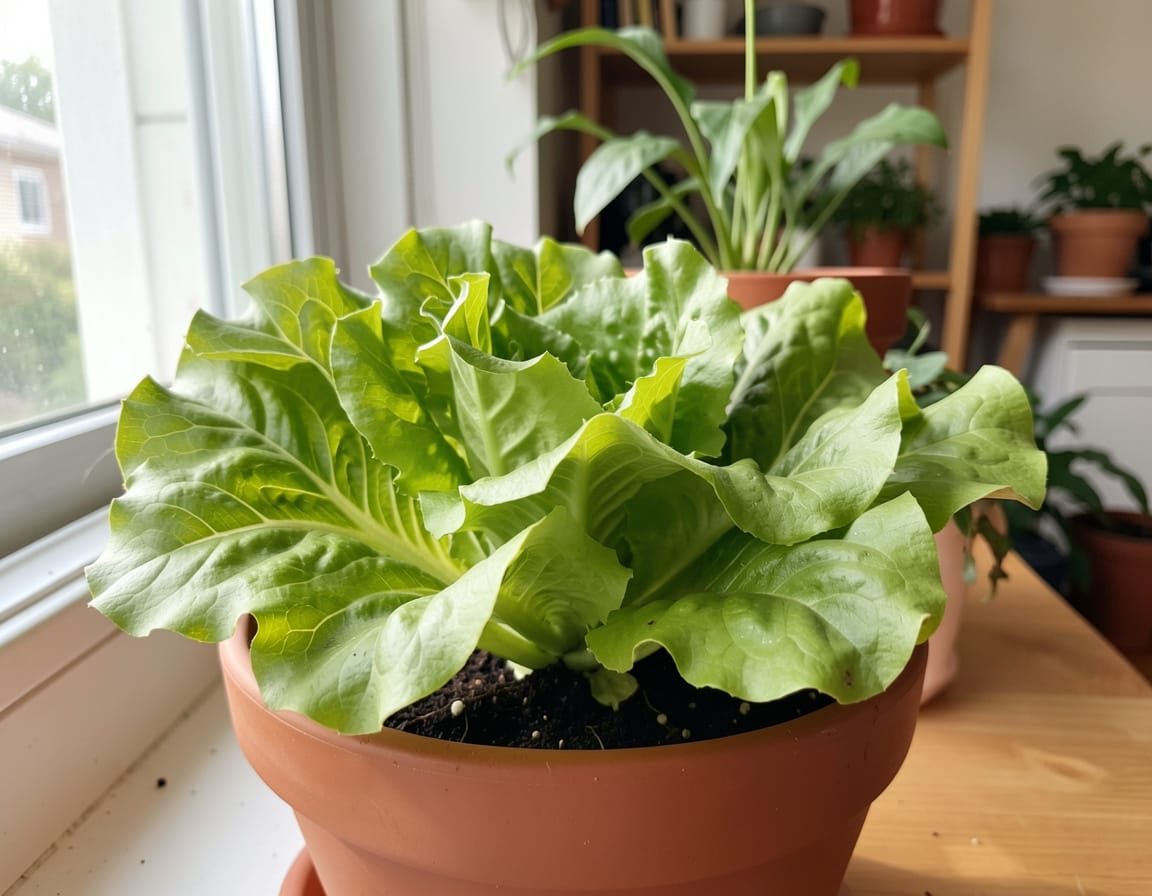
Growing food indoors isn’t just about convenience it’s about control, health, and creating a living space that feels calm, nourishing, and genuinely alive. How to keep lettuce growing indoors is one of the most common questions I hear from U.S. homeowners and renters who want fresh greens without pesticides, long supply chains, or plastic packaging. Lettuce is one of the easiest edible plants to grow indoors, but keeping it productive long-term requires more than placing a pot on a windowsill.
In real homes I’ve worked in from New York apartments to suburban California kitchens indoor lettuce thrives when organic gardening practices meet thoughtful interior design. When done right, indoor lettuce improves air quality, reduces grocery waste, supports mental well-being, and contributes to a toxin-free, eco-friendly living environment. This guide will walk you through exactly how to keep lettuce growing indoors in a way that’s practical, sustainable, and visually harmonious with your home.
Why Keeping Lettuce Growing Indoors Matters More Than You Think
Indoor lettuce is often underestimated. Many people treat it as a novelty rather than a functional part of sustainable home living. In my experience working with homeowners focused on natural interior decoration and organic lifestyles, indoor lettuce delivers benefits that go far beyond the plate.
Health & Indoor Air Quality
Living plants contribute to humidity balance and bring micro-life into otherwise sterile indoor environments. Lettuce may not be a powerhouse air purifier, but clustered greens soften indoor air and visually reduce stress something I consistently see in homes with edible plants integrated into daily spaces.
Mental Well-Being & Stress Reduction
Harvesting lettuce from your own kitchen counter creates a subtle but powerful psychological shift. Clients often tell me it feels grounding especially in apartments where access to outdoor gardens is limited. Caring for living greens builds routine and mindfulness without demanding hours of attention.
Sustainability & Environmental Impact
Indoor lettuce reduces food miles, plastic clamshell waste, and dependence on chemically treated produce. Even small harvests add up over time, particularly for renters who want sustainable habits without structural changes.
Creating a Toxin-Free, Calming Living Space
Unlike decorative plants treated with synthetic leaf shine or chemical fertilizers, organically grown lettuce aligns naturally with eco-friendly home styling and sustainable home design. It belongs in kitchens, dining spaces, and sunlit living areas without compromising indoor health.
Everyday Organic Styling & Care Routine for Indoor Lettuce
One of the biggest reasons people fail at keeping lettuce alive indoors is inconsistency. Lettuce doesn’t need constant attention but it does need the right kind of attention, applied gently and regularly.
Daily Habits (5 Minutes or Less)
- Check soil moisture with your finger, not a schedule
- Observe leaf color and posture (upright = happy, limp = stressed)
- Rotate containers slightly for even light exposure
Weekly Habits
- Water deeply once soil surface feels dry
- Trim outer leaves to encourage continuous growth
- Wipe dust from nearby surfaces to improve light reflection
In real homes, lettuce thrives when it’s placed where you already spend time near the sink, coffee station, or prep counter. Visibility improves care consistency far more than reminders or apps.
What You’ll Need to Keep Lettuce Growing Indoors Successfully
Below is a practical, experience-based list of essentials. These are items I consistently recommend because they balance health, sustainability, and aesthetics.
| Item | What It Is | Why It’s Used | Organic / Health Benefits | Sustainability Considerations |
| Organic Lettuce Seeds | Untreated, non-GMO seeds | Reliable germination and flavor | No chemical residue | Supports organic seed systems |
| Shallow Containers | Pots or trays 4–6 inches deep | Ideal for lettuce root systems | Prevents root rot | Reusable ceramic or clay preferred |
| Organic Potting Mix | Soil without synthetic fertilizers | Provides gentle nutrients | Safe for indoor air quality | Look for peat-free blends |
| Natural Drainage Tray | Clay or bamboo saucer | Prevents water damage | Mold prevention | Biodegradable materials |
| Full-Spectrum Grow Light (Optional) | LED plant light | Supports growth in low light | No heat or toxins | Energy-efficient models |
| Clean Water Source | Filtered or rested tap water | Reduces salt buildup | Healthier roots | Low-waste habit |
How to Keep Lettuce Growing Indoors Long-Term (Not Just for a Few Weeks)
This is where most guides stop short. Germinating lettuce is easy keeping it growing indoors for months requires strategic care and harvesting.
Light: The #1 Deciding Factor
In U.S. homes, especially rentals, natural light varies dramatically by season. Lettuce needs bright, indirect light for 10–12 hours daily.
- South- or east-facing windows work best
- Winter months often require a grow light
- Avoid direct summer sun, which causes bitterness
In apartments with limited windows, I’ve successfully used slim LED grow lights tucked under open shelving functional without disrupting natural interior decoration.
Soil & Nutrition
Lettuce prefers consistent, mild nutrition. Overfeeding causes rapid, weak growth.
- Refresh topsoil every 3–4 weeks
- Use diluted organic liquid fertilizer monthly
- Avoid compost teas indoors they often smell and attract gnats
Watering Without Rot
Overwatering is the most common indoor lettuce killer.
- Water only when the top inch of soil is dry
- Ensure excess water drains freely
- Never let pots sit in standing water
In real homes, I recommend bottom watering once a month to flush salts while protecting leaves from moisture damage.
Deep Organic Setup or Seasonal Refresh for Indoor Lettuce
Indoor lettuce isn’t “set it and forget it.” Seasonal refreshes keep plants productive and your home visually balanced.
Seasonal Reorganization
- Winter: Move lettuce closer to light sources
- Summer: Shift away from heat vents and intense sun
- Spring/Fall: Ideal for reseeding and expanding containers
Refreshing Containers & Soil
Every 8–10 weeks:
- Remove plants nearing bitterness
- Replace half the soil with fresh organic mix
- Reseed lightly rather than starting over completely
This method maintains microbial balance and reduces waste an approach I use consistently in sustainable home design projects.
Prevention & Sustainability Tips for Long-Term Success
Keeping lettuce growing indoors is as much about prevention as care.
Avoid Synthetic Decor & Toxic Finishes
- Skip painted or varnished pots with unknown finishes
- Avoid decorative stones coated with sealants
- Choose natural clay, ceramic, or untreated wood
Reduce Waste
- Regrow lettuce from cut bases when possible
- Compost spent soil outdoors or in community programs
- Save seeds from bolt-resistant varieties
Prevent Plant Stress
- Maintain airflow (not drafts)
- Avoid overcrowding containers
- Harvest regularly to prevent bolting
These small habits significantly extend plant life and align with eco-friendly home styling principles.
Common Mistakes to Avoid When Growing Lettuce Indoors
Falling for Fake “Eco-Friendly” Claims
Not all “green” products are actually safe. I’ve seen pots marketed as eco-friendly that off-gas chemical odors weeks later.
Poor Placement
Lettuce hidden on high shelves or dark corners rarely survives. If you can’t see it daily, it will decline.
Overwatering & Poor Ventilation
Stagnant air + wet soil = mold. This isn’t just bad for plants it affects indoor air quality.
Chemically Treated Materials
Avoid miracle fertilizers, leaf shine sprays, or treated moss. These undermine the very purpose of organic indoor gardening.
Local U.S. Home Context: Realistic Indoor Lettuce Solutions
Small Apartments & Rentals
- Use window sills, rolling carts, or wall-mounted shelves
- Choose compact lettuce varieties like butterhead or loose-leaf
- Avoid drilling use tension rods or adhesive hooks for lights
Open-Concept Homes
- Group lettuce with other indoor plants and natural materials
- Use consistent containers for visual cohesion
- Keep herbs and greens near food prep areas
Seasonal Climate Variations
- Dry winter air may require light misting nearby (not on leaves)
- Summer AC can dry soil faster than expected
Urban vs Suburban Homes
Urban apartments benefit most from grow lights, while suburban homes often have better window access but more temperature fluctuation.
Extra Expert Tips from Real-World Experience
- Budget Upgrade: Thrifted ceramic bowls with drainage holes drilled by a local hardware store
- Low-Maintenance Strategy: Stagger planting every 2 weeks for continuous harvest
- Design Hack: Match lettuce containers with your organic home décor palette for visual calm
- Longevity Tip: Harvest outer leaves only never cut the center
In homes I’ve personally worked on, these small strategies often make the difference between frustration and long-term success.
FAQ: Expert Answers About Keeping Lettuce Growing Indoors
1. How long can lettuce keep growing indoors?
With proper light, harvesting, and soil refresh, lettuce can grow productively for 8–12 weeks per planting cycle.
2. How to keep lettuce growing indoors year-round?
Use full-spectrum LED grow lights in winter, rotate containers seasonally, and reseed regularly to maintain continuous growth.
3. Does indoor lettuce need fertilizer?
Yes, but lightly. A diluted organic fertilizer once a month is sufficient. Overfeeding causes weak, bitter leaves.
4. Why does my indoor lettuce taste bitter?
Bitterness usually comes from heat stress, inconsistent watering, or letting plants mature too long before harvest.
5. Can I grow lettuce indoors without sunlight?
Yes. Many U.S. apartments rely entirely on grow lights. Choose energy-efficient LEDs and provide 10–12 hours daily.
6. Is indoor lettuce safe for pets?
Generally yes, but always keep containers stable and avoid organic fertilizers that aren’t pet-safe.
Conclusion
Learning how to keep lettuce growing indoors is about more than fresh salads it’s about building a healthier relationship with your home environment. When indoor lettuce is grown organically, styled thoughtfully, and cared for realistically, it becomes part of a sustainable, calming lifestyle rather than a short-lived experiment.
In my experience working with real U.S. homes, the most successful indoor gardeners are those who integrate edible plants into daily life not as décor trends, but as living elements of eco-friendly home styling and natural interior decoration. Start small, stay observant, and let your lettuce teach you what your space needs.
When you do, your home becomes not just greener but genuinely more alive.
