Every product is independently reviewed and selected by our editors. If you buy something through our links, we may earn an affiliate commission at no extra cost to you.
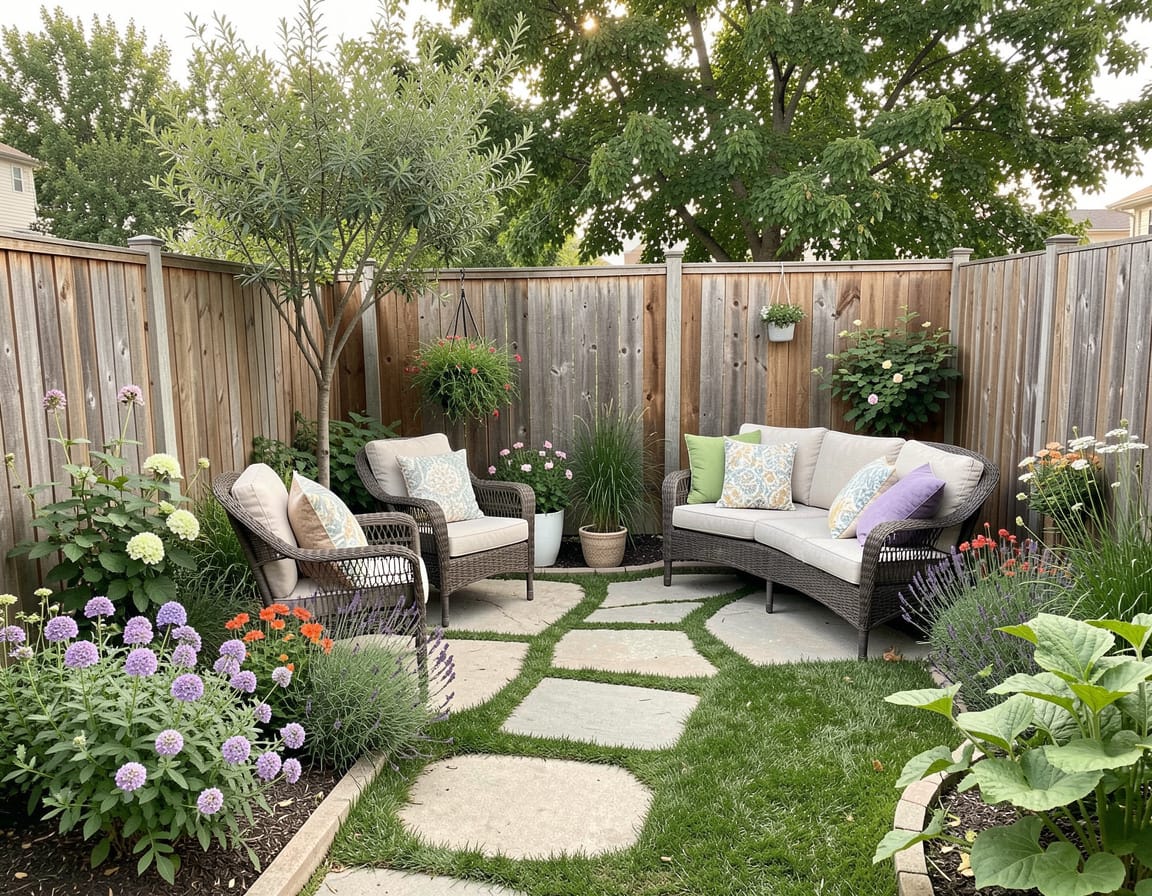
How to make a small backyard look nice is one of the most common questions I hear from homeowners and renters across the United States. In real homes—especially townhouses, rental properties, and urban neighborhood backyards are often limited in size, uneven in shape, or constrained by rules and budgets. Yet these small outdoor spaces carry enormous potential for improving health, mental well-being, sustainability, and daily quality of life.
A thoughtfully designed small backyard can improve outdoor air circulation near the home, reduce indoor stress by offering a natural retreat, and support eco-friendly living by replacing synthetic décor with living plants and natural materials. In my professional experience, the most successful small backyards aren’t filled with trendy items they’re calm, practical, and rooted in sustainable home design principles.
This guide goes beyond surface-level ideas. You’ll learn how to make a small backyard look nice in a way that feels natural, non-toxic, affordable, and realistic no luxury budgets, no fragile designs, and no greenwashing.
Rethinking “Nice”: What a Small Backyard Should Actually Do
Before choosing plants or furniture, it’s important to redefine what “nice” means in real life.
In my experience working with homeowners, a small backyard looks nice when it:
- Feels visually calm rather than cluttered
- Supports relaxation and daily routines
- Uses natural materials instead of plastics
- Requires manageable maintenance
- Ages well over time
A beautiful small backyard is not about squeezing everything in. It’s about intentional simplicity, which aligns naturally with organic home décor ideas and eco-friendly home styling.
Everyday Organic Styling & Care Routine for Small Backyards
A small backyard stays attractive when care is built into daily and weekly habits not seasonal overhauls.
Daily or Casual Habits
- Open doors or windows facing the yard to encourage airflow
- Notice plant stress early (wilting, yellowing)
- Remove fallen leaves or debris from seating areas
Weekly Maintenance
- Water plants deeply but less frequently
- Wipe down natural furniture surfaces
- Check drainage and soil moisture
These routines keep your backyard visually balanced and prevent small issues from becoming expensive problems.
What You’ll Need to Make a Small Backyard Look Nice (Organically)
Below is a realistic list based on what actually works in small U.S. backyards.
| Item | What It Is | Why It’s Used | Organic / Health Benefits | Sustainability Considerations |
| Native or Adaptive Plants | Local climate-friendly plants | Thrive in small spaces | No chemical dependency | Supports biodiversity |
| Clay or Stone Pots | Natural containers | Breathable roots | No plastic off-gassing | Long lifespan |
| Mulch or Ground Cover | Bark, straw, gravel | Moisture control | Reduces soil stress | Biodegradable options |
| Wooden Seating | Untreated or sealed wood | Functional comfort | Low-toxin materials | Repairable & reusable |
| Solar Lighting | Low-watt outdoor lights | Safe illumination | No wiring chemicals | Renewable energy |
In my experience, choosing fewer, higher-quality natural elements creates a more peaceful space than filling the yard with décor.
How to Make a Small Backyard Look Nice Using Layout, Not Size
Zone the Space Intentionally
Even the smallest backyard benefits from simple zoning:
- A seating or relaxation zone
- A planting or garden zone
- A visual focal point
Zoning creates structure, which makes the yard feel larger and more organized.
Use Vertical Space Thoughtfully
Vertical gardening trellises, wall-mounted planters, or climbing plants adds greenery without sacrificing floor space. This is especially effective for renters who need reversible solutions.
Deep Organic Setup or Seasonal Refresh
Seasonal Refresh Without Overhauls
In real homes, seasonal updates should be subtle:
- Spring: Refresh soil, add one new plant
- Summer: Increase shade and airflow
- Fall: Mulch heavily, reduce watering
- Winter: Protect roots, simplify décor
This approach preserves plant health and reduces waste.
Maintaining Long-Term Material Health
- Oil untreated wood once a year
- Avoid pressure-treated lumber
- Replace synthetic fabrics with cotton or linen
These steps support long-term sustainability and toxin-free outdoor living.
Plant Choices That Instantly Improve a Small Backyard
From years of hands-on work, these plant categories consistently perform well in small spaces:
Structural Plants
Boxwood alternatives, dwarf grasses, or compact shrubs create visual anchors without overwhelming the space.
Softening Plants
Ferns, herbs, and ground covers soften edges and reduce the harsh look of fences or walls.
Functional Plants
Edible herbs or pollinator-friendly flowers add purpose and support organic gardening practices.
How to Make a Small Backyard Look Nice Without Spending Much
A beautiful backyard doesn’t require a big budget it requires restraint.
Budget-Friendly Organic Upgrades
- Repurpose indoor stools or benches outdoors seasonally
- Use salvaged bricks or stones for borders
- Propagate plants instead of buying new ones
In my experience, these small changes often outperform expensive décor.
Prevention & Sustainability Tips for Long-Term Beauty
To keep your backyard healthy and attractive over time:
- Avoid synthetic turf and plastic fencing
- Skip chemical fertilizers and pesticides
- Compost plant waste where possible
- Choose materials that age naturally
These habits reduce environmental impact while preserving visual harmony.
Common Mistakes to Avoid (and Why They Hurt Small Backyards)
Overdecorating
Too many items shrink visual space and increase maintenance.
Fake “Eco-Friendly” Products
Many outdoor items labeled eco-friendly still contain harmful coatings or plastics.
Poor Drainage
Standing water damages plants and attracts pests.
Ignoring Sun Patterns
Plant placement without understanding light exposure leads to failure and frustration.
Each mistake disrupts both aesthetics and sustainability.
Local U.S. Home Context: Making It Work Anywhere
Rentals and HOA Restrictions
Focus on movable planters, freestanding trellises, and reversible improvements.
Urban Backyards
Noise-buffering plants and vertical greenery add privacy.
Suburban Homes
Balance lawn reduction with ground covers to lower water use.
Climate Differences
Drought-tolerant plants work well in the Southwest; moisture-tolerant species suit the Northeast and Pacific Northwest.
Extra Expert Tips from Real Homes
- Use one consistent material palette (wood + clay + greenery)
- Choose plants that look good even when not flowering
- Leave negative space empty space is calming
- Design for maintenance first, aesthetics second
These principles consistently create backyards that age gracefully.
FAQ: Real Questions About Small Backyards
1. How to make a small backyard look nice on a tight budget?
Focus on layout, plant health, and natural materials rather than décor.
2. Can renters improve a small backyard without permanent changes?
Yes. Use containers, movable furniture, and vertical planters.
3. What plants are best for very small backyards?
Compact shrubs, herbs, and native perennials perform best.
4. How to make a small backyard look nice without grass?
Use ground covers, gravel paths, and potted plants.
5. Does a small backyard really improve mental well-being?
Absolutely. Even small green spaces reduce stress and improve mood.
6. How much maintenance does an organic backyard need?
Less than conventional yards when designed properly.
Conclusion
How to make a small backyard look nice isn’t about making it bigger it’s about making it more intentional, natural, and livable. In real U.S. homes, the most successful small backyards prioritize organic materials, healthy plants, and simple layouts that support everyday life.
When designed with sustainability and well-being in mind, even the smallest backyard becomes a calming extension of the home. With thoughtful choices, realistic routines, and an organic mindset, your outdoor space can feel beautiful, functional, and deeply restorative no excess, no toxins, and no wasted effort.
This is how small backyards truly shine: quietly, naturally, and for the long term.
