Every product is independently reviewed and selected by our editors. If you buy something through our links, we may earn an affiliate commission at no extra cost to you.
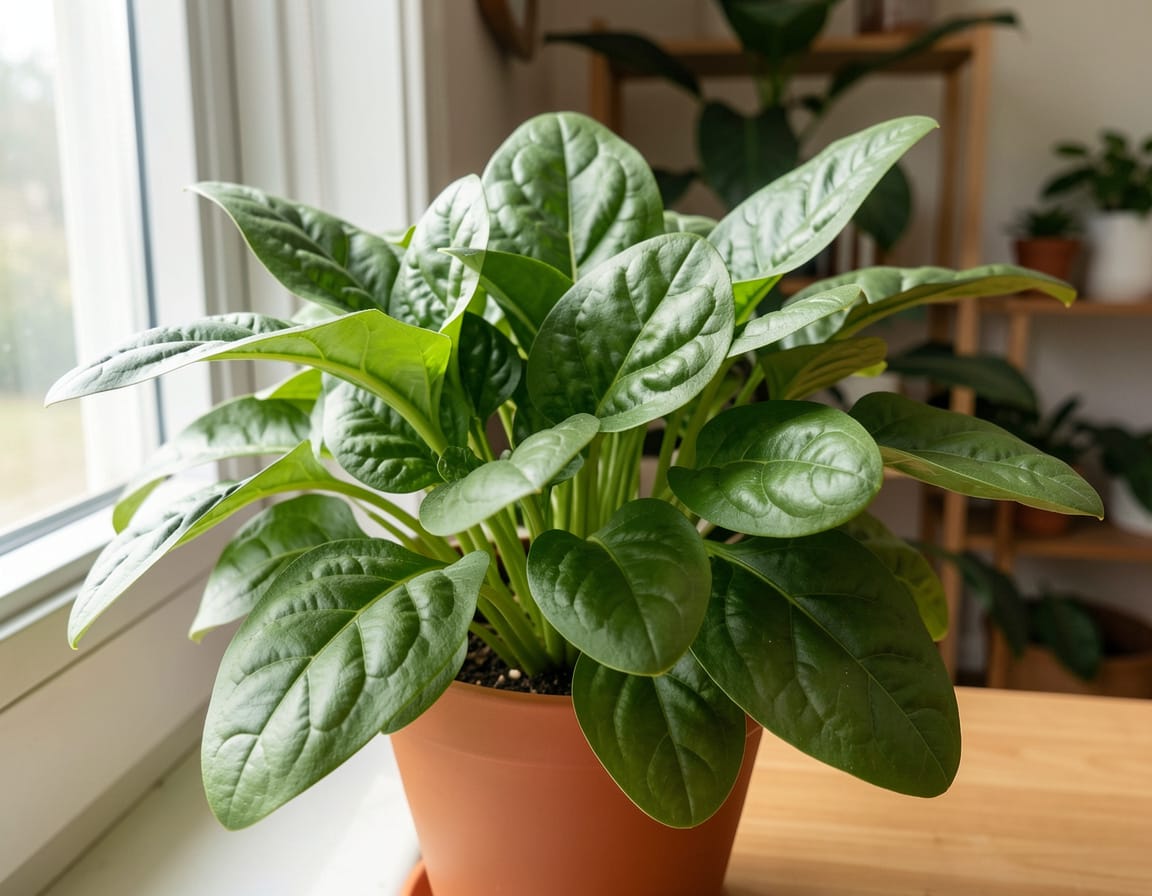
Can spinach be an indoor plant? In my professional experience working with U.S. homeowners and renters, the answer is a confident yes when it’s done thoughtfully and organically. Spinach is one of the most adaptable edible plants for indoor environments, making it an excellent choice for people who want fresh greens, natural interior decoration, and a healthier living space without relying on outdoor gardens.
Growing spinach indoors isn’t just about food. It directly supports indoor air quality, encourages mental calm through daily plant care, and fits beautifully into sustainable home design principles. When integrated with natural materials and organic home décor ideas, spinach becomes both a functional crop and a living design element—especially valuable in apartments, rentals, and homes with limited outdoor access.
This guide is written from hands-on experience, not theory. You’ll learn exactly how to grow spinach indoors in a way that’s realistic, non-toxic, affordable, and visually calming without gimmicks or greenwashing.
Why Growing Spinach Indoors Supports a Healthier, Toxin-Free Home
In real homes, indoor plants do more than decorate a shelf. When chosen carefully, they contribute to both physical and emotional well-being.
Health & Indoor Air Quality
While spinach isn’t marketed as an air-purifying plant, living greenery still helps regulate humidity and supports a healthier indoor microclimate. In homes with dry winter air or sealed HVAC systems, indoor plants play a subtle but meaningful role.
Mental Well-Being & Stress Reduction
In my work with homeowners, edible plants like spinach consistently encourage mindful routines. Checking soil moisture, harvesting leaves, and watching daily growth reduces stress and increases a sense of control especially in urban environments.
Sustainability & Environmental Impact
Indoor spinach reduces reliance on packaged greens, cutting down plastic waste and food miles. When grown organically, it aligns perfectly with eco-friendly home styling and responsible consumption.
A Calming, Natural Living Space
Spinach’s soft, layered leaves complement natural interior decoration far better than artificial plants or synthetic décor. It brings life to kitchens, dining spaces, and bright windowsills without visual clutter.
Can Spinach Be an Indoor Plant Year-Round?
Yes,but with realistic expectations.
Spinach is a cool-season crop, which actually makes it well-suited for indoor growing compared to heat-loving vegetables. In real U.S. homes, spinach thrives indoors during fall, winter, and early spring, when indoor temperatures remain moderate.
Ideal Indoor Conditions
- Temperature: 55–70°F
- Light: Bright indirect light or grow lights
- Humidity: Average household humidity works well
- Space: Shallow containers are sufficient
Unlike tomatoes or peppers, spinach doesn’t demand large pots or intense sunlight, making it practical for renters and small apartments.
Everyday Organic Styling & Care Routine
One mistake I often see is treating edible plants like decorative objects. Spinach needs simple, consistent care, not constant attention.
Daily Habits (5 Minutes or Less)
- Check soil moisture with your finger
- Rotate containers slightly for even light
- Remove yellowing or damaged leaves
Weekly Habits
- Water deeply once or twice per week
- Harvest outer leaves to encourage regrowth
- Wipe dust from nearby surfaces to keep air circulation clean
These small habits maintain both plant health and visual harmony key principles in organic home décor ideas.
What You’ll Need to Grow Spinach Indoors (Organic & Sustainable)
Below is a practical, no-frills list based on real indoor setups I recommend to clients.
| Item | What It Is | Why It’s Used | Organic / Health Benefits | Sustainability Considerations |
| Organic Spinach Seeds | Untreated seeds | Ensures chemical-free growth | No synthetic coatings | Supports seed sovereignty |
| Shallow Planter (6–8”) | Clay, ceramic, or recycled container | Proper root depth | No plastic off-gassing | Long lifespan |
| Organic Potting Soil | Peat-free, compost-based | Healthy root development | Free from synthetic fertilizers | Renewable materials |
| Grow Light (optional) | Full-spectrum LED | Compensates for low light | Supports winter growth | Energy-efficient models available |
| Natural Mulch | Coconut coir or straw | Moisture retention | Mold-resistant | Biodegradable |
In my experience, avoiding plastic-heavy kits makes a noticeable difference in both plant health and home aesthetics.
Deep Organic Setup or Seasonal Refresh
Initial Setup (First-Time Growers)
- Fill containers with organic soil, leaving 1 inch at the top
- Sow seeds ½ inch deep, lightly spaced
- Water gently and place near a bright window
- Thin seedlings once leaves appear
Seasonal Refresh Tips
- Fall/Winter: Add grow lights and reduce watering
- Spring: Increase airflow and harvest more frequently
- Summer: Move containers away from heat sources
Refreshing indoor plants seasonally mirrors natural growth cycles a core concept in sustainable home design.
Prevention & Sustainability Tips for Long-Term Success
From years of troubleshooting indoor gardens, these habits prevent 90% of problems:
- Avoid chemically treated pots or painted containers
- Never use synthetic fertilizers indoors
- Compost trimmed leaves if possible
- Reuse soil by refreshing with compost between cycles
These practices protect indoor air quality while maintaining long-lasting organic beauty.
Common Mistakes to Avoid (and Why They Matter)
Falling for “Eco-Friendly” Marketing
Many planters labeled eco-friendly still contain synthetic liners or toxic glazes. Always verify materials.
Poor Light Placement
Spinach stretched toward weak light becomes bitter and fragile.
Overwatering
Indoor spinach prefers slightly moist not wet soil. Excess water leads to root rot and fungus.
Ignoring Ventilation
Stagnant air increases mold risk. Simple airflow makes a big difference.
Each mistake undermines both plant health and the goals of natural interior decoration.
Local U.S. Home Context: Making Spinach Work Anywhere
Small Apartments & Rentals
Spinach works well on windowsills and rolling carts no drilling required.
Open-Concept Homes
Use matching clay pots to visually integrate plants into shared spaces.
Seasonal Climate Differences
Northern homes benefit from grow lights in winter; southern homes often rely on filtered sunlight year-round.
Balconies vs. Indoors
Balconies are great in spring, but indoor setups provide consistent yields without weather stress.
Extra Expert Tips from Real Homes
- Use matching neutral-toned containers for a cohesive organic look
- Grow spinach in succession every 2–3 weeks for continuous harvest
- Combine spinach with herbs for layered, functional styling
- Choose slow-bolting varieties for longer indoor life
These strategies balance beauty, productivity, and sustainability.
FAQ: Real Questions from Real Homeowners
1. Can spinach be an indoor plant without grow lights?
Yes, if you have bright indirect light for 4–6 hours daily. Grow lights simply extend the growing season.
2. Is indoor spinach safe to eat?
Absolutely when grown organically without synthetic fertilizers or pesticides.
3. How long does indoor spinach last?
Most indoor spinach produces for 4–6 weeks with proper harvesting.
4. Does spinach improve indoor air quality?
Indirectly. Like all living plants, it supports humidity balance and a healthier indoor environment.
5. Can I grow spinach in a rental apartment?
Yes. Spinach requires no permanent fixtures and works well in portable containers.
6. What’s the biggest beginner mistake?
Overwatering combined with poor airflow both are easy to fix.
Conclusion:
Can spinach be an indoor plant? Based on real-world experience, it’s one of the most practical, rewarding, and sustainable indoor plants you can grow. It supports healthier living, reduces food waste, and integrates seamlessly into eco-friendly home styling.
When grown with organic methods and natural materials, spinach becomes more than food it’s a living expression of sustainable home design. With the right setup and realistic care habits, anyone can succeed, regardless of space or experience level.
This is indoor gardening that truly belongs in a modern, toxin-free home simple, honest, and deeply satisfying.
