Every product is independently reviewed and selected by our editors. If you buy something through our links, we may earn an affiliate commission at no extra cost to you.
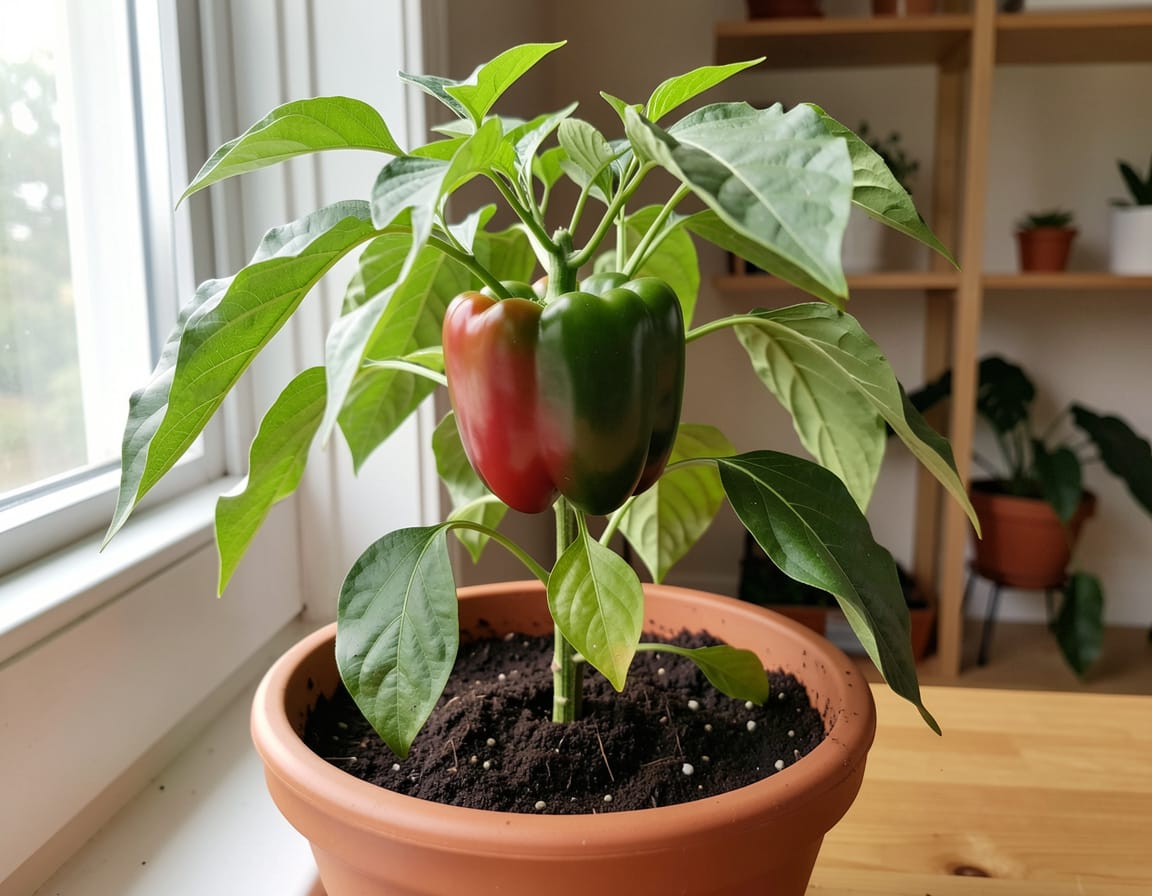
Growing food inside your home isn’t just a gardening trend it’s a lifestyle choice that supports health, sustainability, and natural interior decoration. How to take care of a bell pepper plant indoors is a question I hear often from homeowners and renters who want productive greenery that also enhances their living space. Bell pepper plants are surprisingly well-suited to indoor environments when cared for correctly, and they fit beautifully into organic home décor ideas that prioritize natural materials and toxin-free living.
In real homes I’ve worked with small apartments, rentals with limited light, and open-concept houses indoor bell pepper plants consistently provide more than fresh produce. They improve indoor air quality, add visual warmth, and create a calming daily rhythm of care. When grown organically, they also support sustainable home design by reducing reliance on store-bought produce wrapped in plastic and treated with chemicals.
This guide shares hands-on, experience-driven advice you can apply immediately. No vague tips, no recycled instructions just practical, organic solutions that work in everyday U.S. homes.
Why Indoor Bell Pepper Plants Matter for a Healthy, Organic Home
Before diving into care routines, it’s important to understand why bell pepper plants deserve a place in your living space.
Health & Indoor Air Quality
Healthy indoor plants contribute to better air circulation and humidity balance. While no plant is a magic air purifier, bell pepper plants help create a fresher indoor environment especially when paired with other indoor plants and natural materials like clay pots and untreated wood.
Mental Well-Being & Stress Reduction
In my experience working with homeowners, tending edible plants reduces stress more effectively than decorative-only plants. Watching peppers form, grow, and ripen gives a sense of progress and connection something many people crave in busy indoor lifestyles.
Sustainability & Environmental Impact
Growing bell peppers indoors reduces food miles, plastic packaging, and chemical exposure. It aligns naturally with organic gardening practices and eco-friendly home styling.
A Toxin-Free, Calming Living Space
Bell pepper plants thrive without synthetic fertilizers or chemical sprays. This makes them ideal for families, pets, and anyone committed to non-toxic living.
Understanding Bell Pepper Plants Indoors (Before You Start)
Bell pepper plants (Capsicum annuum) are technically perennials in warm climates but are often grown as annuals. Indoors, they can live and produce for multiple years with proper care.
Key characteristics to know:
- They love light and warmth
- They prefer consistent moisture, not soggy soil
- They benefit from gentle air circulation
- They are self-pollinating, but need help indoors
Understanding these basics helps prevent common frustrations later.
Everyday Organic Styling & Care Routine
A successful indoor bell pepper plant depends on simple, repeatable habits not constant fussing.
Daily Check (2–3 Minutes)
- Observe leaf color and firmness
- Check soil moisture with your finger
- Rotate the pot slightly for even light exposure
In real homes, this daily visual check prevents 90% of indoor plant issues.
Weekly Care Routine
- Water deeply when the top inch of soil feels dry
- Wipe dust from leaves with a damp cloth
- Check for pests like aphids or spider mites
Monthly Care
- Feed with organic fertilizer or compost tea
- Prune weak or overcrowded growth
- Inspect roots if growth seems stalled
This rhythm fits naturally into sustainable home living low effort, high reward.
What You’ll Need to Take Care of a Bell Pepper Plant Indoors
Below is a clear, practical table based on tools I actually recommend in client homes.
| Item | What It Is | Why It’s Used | Organic / Health Benefits | Sustainability Considerations |
| Clay or Ceramic Pot | Breathable container | Prevents root rot | No plastic toxins | Long-lasting, reusable |
| Organic Potting Soil | Chemical-free soil mix | Supports healthy roots | Avoids synthetic fertilizers | Renewable materials |
| Grow Light (if needed) | Full-spectrum LED | Compensates for low light | Safe, energy-efficient | Low electricity use |
| Organic Fertilizer | Compost-based feed | Sustains fruiting | Non-toxic for homes | Reduces chemical runoff |
| Bamboo Stakes | Natural plant support | Keeps stems upright | Plastic-free | Biodegradable |
Each item supports both plant health and eco-friendly home styling.
How to Take Care of a Bell Pepper Plant Indoors: Light, Soil, and Placement
Light Requirements (Most Common Issue)
Bell pepper plants need 6–8 hours of bright light daily. In U.S. homes:
- South-facing windows work best
- East- or west-facing windows may need grow lights
- North-facing windows almost always require supplemental lighting
In apartments, I often install a single clamp-style LED grow light simple, renter-friendly, and highly effective.
Soil That Supports Organic Growth
Use a loose, well-draining organic mix:
- Compost
- Coconut coir or peat alternative
- Perlite or sand for drainage
Avoid garden soil it compacts indoors and invites pests.
Placement & Natural Interior Decoration
Bell pepper plants double as living décor. Place them:
- Near kitchen windows for easy harvesting
- On plant stands made from reclaimed wood
- Away from heating vents or cold drafts
This balances beauty with plant health.
Watering the Right Way (Without Killing the Plant)
Overwatering is the #1 mistake I see in indoor pepper plants.
Best Practice
- Water only when the top inch of soil is dry
- Water slowly until excess drains out
- Empty saucers immediately
Seasonal Adjustments
- Winter: water less frequently
- Summer: increase frequency slightly
Consistent watering supports strong roots and prevents fungal issues especially important in low-ventilation apartments.
Deep Organic Setup or Seasonal Refresh
Every 4–6 months, your indoor bell pepper plant benefits from a reset.
Seasonal Refresh Steps
- Remove surface debris
- Top-dress soil with compost
- Prune leggy or unproductive branches
- Clean pot exterior for aesthetics
This process supports long-term plant health and refreshes your organic home décor visually.
Reorganizing Indoor Plants
Group bell peppers with other edible plants like basil or parsley. This:
- Improves humidity balance
- Creates a cohesive natural interior decoration theme
- Encourages consistent care routines
Pollination Indoors: A Crucial Step Most Articles Skip
Indoors, there are no bees.
Simple Pollination Method
- Gently tap flowering stems daily
- Use a soft paintbrush to transfer pollen
In my experience, this single habit can double indoor pepper yields.
Prevention & Sustainability Tips for Long-Term Success
- Avoid synthetic pesticides even “mild” ones
- Use neem oil only if necessary and sparingly
- Choose reusable containers and tools
- Compost plant trimmings
These habits reduce waste and maintain a toxin-free environment.
Common Mistakes to Avoid (And Why They Matter)
Believing Fake “Eco-Friendly” Claims
Many decorative pots and soils labeled “eco” contain chemical coatings. Always verify materials.
Poor Lighting Placement
Insufficient light causes:
- No flowers
- Dropping buds
- Weak stems
Overwatering & Poor Ventilation
Stagnant air encourages disease. Use:
- Small fans on low
- Open windows when weather allows
Local U.S. Home Context: Realistic Indoor Scenarios
Small Apartments
Compact pepper varieties thrive in 10–12 inch pots with grow lights.
Rental Restrictions
No drilling? Use clamp lights and freestanding plant stands.
Seasonal Climate Changes
Cold winters require light and watering adjustments. Hot summers may need shade from harsh afternoon sun.
Urban vs Suburban Homes
Urban apartments often rely on artificial light; suburban homes benefit from larger windows but face temperature swings.
Extra Expert Tips from Real Homes
- Use light-colored pots to prevent soil overheating
- Mulch soil surface with coconut husk
- Grow peppers as part of edible décor displays
- Save seeds from successful indoor harvests
These strategies reduce costs and increase sustainability over time.
FAQ: Indoor Bell Pepper Plant Care
1. How long do indoor bell pepper plants live?
With proper care, 2–3 years is common indoors.
2. How to take care of a bell pepper plant indoors during winter?
Reduce watering, increase light exposure, and maintain indoor temperatures above 65°F.
3. Do bell pepper plants need grow lights indoors?
Often yes especially in apartments or winter months.
4. Why are my flowers falling off?
Usually caused by low light, temperature stress, or lack of pollination.
5. Are indoor bell peppers safe around pets?
The plant itself is generally safe, but peppers may irritate curious pets.
6. Can I grow bell peppers organically indoors year-round?
Absolutely with consistent light, organic soil, and proper feeding.
Conclusion:
Learning how to take care of a bell pepper plant indoors is about more than gardening it’s about creating a healthier, calmer, more intentional living space. In my experience working with real U.S. homes, indoor bell pepper plants succeed when care routines are simple, organic, and aligned with sustainable home design.
When grown thoughtfully, bell pepper plants become part of your natural interior decoration offering beauty, nourishment, and a daily reminder that small, eco-friendly choices truly matter. With the guidance in this article, you can confidently grow peppers indoors while supporting non-toxic, sustainable living for years to come.
