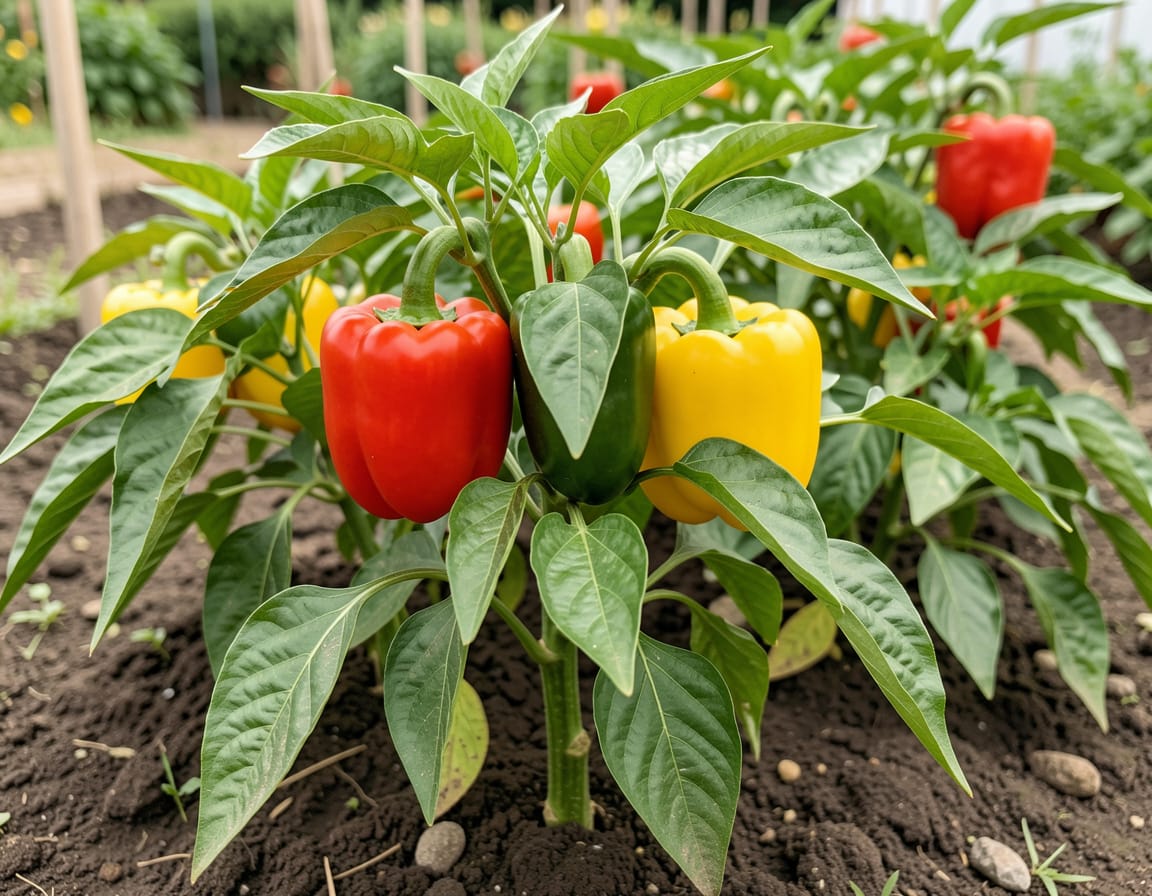
Learning how to grow bell peppers for beginners is one of the most satisfying ways to bring organic gardening practices into everyday American homes. Bell peppers are colorful, nutritious, and surprisingly adaptable making them ideal for balconies, patios, raised beds, and even sunny indoor spaces. In my experience working with homeowners and renters across the U.S., bell peppers often become a “gateway plant”: once people succeed with them, confidence grows quickly.
Beyond fresh produce, growing bell peppers supports a healthier indoor environment, reduces reliance on chemically treated vegetables, and adds living beauty to your home. Whether you live in a small apartment or a suburban house, bell peppers fit naturally into sustainable home design and eco-friendly home styling when approached correctly.
This guide is written for real beginners people who want clear steps, honest expectations, and expert advice that actually works in real homes.
Why Growing Bell Peppers at Home Matters
Health & Indoor Air Quality
Bell peppers grown at home are free from synthetic pesticides and post-harvest chemical treatments commonly used in commercial farming. While the plants themselves don’t purify air like large houseplants, they reduce your exposure to toxins through food an often-overlooked aspect of indoor environmental health.
Mental Well-Being & Stress Reduction
In real homes I’ve worked in, tending bell pepper plants becomes a calming routine. Checking leaves, watering thoughtfully, and watching fruit develop creates a daily pause that lowers stress especially valuable in busy urban households.
Sustainability & Environmental Impact
Growing even a few peppers at home reduces packaging waste, transportation emissions, and food spoilage. It’s a realistic, achievable step toward sustainable home design without requiring major lifestyle changes.
Creating a Toxin-Free, Calming Living Space
Bell pepper plants integrate beautifully with natural interior decoration. Their glossy leaves and bright fruit add life and color without introducing synthetic décor or artificial finishes.
Understanding How to Grow Bell Peppers for Beginners (Before You Start)
Bell peppers are warm-season plants that thrive with consistency. Beginners often struggle not because peppers are difficult, but because they misunderstand what the plant actually needs.
In my professional experience, success depends on:
- Warmth and stable temperatures
- Adequate light (natural or supplemented)
- Well-draining soil or containers
- Patience peppers don’t rush
Once these basics are respected, bell peppers are remarkably forgiving.
What You’ll Need to Grow Bell Peppers Successfully
You don’t need a fully equipped garden shed. Most beginners succeed with simple, thoughtfully chosen tools and materials.
Essential Supplies Table
| Item | What It Is | Why It’s Used | Organic / Health Benefits | Sustainability Considerations |
| Bell pepper seeds or seedlings | Organic preferred | Starting the plant | No chemical seed treatments | Supports organic growers |
| Containers or garden bed | Pots, raised beds, or ground | Root space & drainage | Avoids treated wood | Reusable long-term |
| Organic potting mix | Soil blend | Nutrient-rich growing medium | No synthetic fertilizers | Improves soil life |
| Compost | Decomposed organic matter | Natural nutrients | Enhances plant immunity | Reduces food waste |
| Mulch | Straw or leaf mulch | Moisture control | Prevents soil stress | Biodegradable |
| Watering can | Controlled watering | Prevents overwatering | Reduces fungal risk | Long-lasting tool |
I always recommend starting smaller than you think. One or two healthy plants outperform many stressed ones.
Step-by-Step: How to Grow Bell Peppers for Beginners
Step 1: Choose the Right Location
Bell peppers need 6–8 hours of sunlight daily. In U.S. homes, this often means:
- South- or west-facing patios
- Balconies with open exposure
- Bright indoor windows supplemented with grow lights if needed
In limited-light apartments, fewer plants with better placement work best.
Step 2: Planting Correctly
- Plant seedlings after all frost risk has passed
- Space plants 12–18 inches apart
- Plant slightly deeper than they were in nursery pots
This encourages strong root development and stability.
Step 3: Watering With Intention
Bell peppers dislike extremes.
- Water deeply, not frequently
- Allow topsoil to dry slightly between watering
- Avoid wetting leaves late in the day
In my experience, inconsistent watering causes more beginner failures than pests.
Step 4: Feeding Organically
Use compost or diluted compost tea every 2–3 weeks. Avoid synthetic fertilizers they promote leafy growth at the expense of fruit and compromise long-term soil health.
Everyday Organic Styling & Care Routine
Growing bell peppers becomes easier when integrated into daily home habits.
Daily (2–3 Minutes)
- Visual leaf check (wilting or discoloration)
- Light rotation for indoor plants
- Quick moisture check with finger test
Weekly
- Remove damaged leaves
- Inspect stems for pests
- Adjust plant ties or supports
This routine fits naturally into morning or evening home rhythms, especially in kitchens or patios used daily.
Bell Peppers as Part of Natural Interior Decoration
Bell pepper plants are functional décor when styled thoughtfully.
Organic Home Décor Ideas
- Terracotta pots paired with wooden stands
- Neutral ceramic containers for open kitchens
- Grouped with herbs for layered greenery
Eco-Friendly Home Styling Tip
Avoid glossy plastic pots. Natural materials breathe better and align with toxin-free living.
In open-concept homes, pepper plants soften transitions between indoor and outdoor spaces.
Deep Organic Setup or Seasonal Refresh
Seasonal Adjustments
- Spring: Gradual outdoor exposure (hardening off)
- Summer: Mulch heavily, monitor heat stress
- Fall: Harvest remaining fruit, compost plants
- Winter: Clean containers and rest soil
Long-Term Soil Health
Rotate crops yearly if planting outdoors. In containers, refresh soil with compost rather than replacing entirely this maintains microbial life and reduces waste.
Prevention & Sustainability Tips
From real-world experience, these habits prevent most problems:
- Choose untreated containers and supports
- Avoid decorative stones that trap heat
- Compost pepper scraps and old plants
- Save seeds from fully ripe peppers
Sustainability isn’t about perfection it’s about thoughtful consistency.
Common Mistakes Beginners Should Avoid
Believing “Decorative” Means Non-Toxic
Many painted pots leach chemicals when heated. Stick to natural finishes.
Poor Ventilation Indoors
Still air encourages disease. Open windows or use gentle airflow.
Overwatering
Roots need oxygen. Soggy soil suffocates plants.
Using Chemically Treated Soil
Some potting mixes contain slow-release synthetic fertilizers that stress plants over time.
Each mistake disrupts plant health and undermines the calm, organic environment you’re trying to create.
Local U.S. Home Context: What Actually Works
\Small Apartments
One or two pepper plants near a bright window can thrive with care.
Rentals
Container growing avoids permanent changes and soil damage.
Urban Balconies
Wind protection matters use screens or strategic placement.
Suburban Gardens
Raised beds warm faster and reduce soil compaction.
Seasonal Climate Variations
Peppers love heat but struggle in extreme humidity spacing and airflow are key.
Extra Expert Tips From Hands-On Experience
- Use light-colored mulch in hot climates to reflect heat
- Support plants early fruit weight surprises beginners
- Harvest green peppers early to encourage more fruit
- Let some peppers fully ripen for seed saving
In my work, beginners succeed fastest when they focus on observation rather than intervention.
Frequently Asked Questions
How long does it take when learning how to grow bell peppers for beginners?
From transplant to harvest, expect 60–90 days depending on variety and conditions.
Can bell peppers grow indoors year-round?
Yes, with sufficient light and airflow. Growth is slower but steady.
Why are my flowers dropping?
Usually temperature stress or inconsistent watering.
Do bell peppers need pollinators?
They self-pollinate, but gentle air movement helps indoors.
Is organic fertilizer necessary?
Compost is usually sufficient for home growers.
Can I reuse soil next year?
Yes,refresh with compost and remove old roots.
Conclusion: Growing Confidence Alongside Your Plants
Every product is independently reviewed and selected by our editors. If you buy something through our links, we may earn an affiliate commission at no extra cost to you.
Understanding how to grow bell peppers for beginners is about more than producing vegetables. It’s about creating a healthier, calmer, and more sustainable home environment one plant at a time.
In real U.S. homes, bell peppers prove that organic gardening practices don’t require acres of land or expensive tools. With patience, observation, and respect for natural processes, anyone can grow vibrant peppers that nourish both body and living space.
Start small. Grow thoughtfully. Let your home reflect the same care you give your plants and you’ll see lasting rewards.Learning how to grow bell peppers for beginners is one of the most satisfying ways to bring organic gardening practices into everyday American homes. Bell peppers are colorful, nutritious, and surprisingly adaptable making them ideal for balconies, patios, raised beds, and even sunny indoor spaces. In my experience working with homeowners and renters across the U.S., bell peppers often become a “gateway plant”: once people succeed with them, confidence grows quickly.
Beyond fresh produce, growing bell peppers supports a healthier indoor environment, reduces reliance on chemically treated vegetables, and adds living beauty to your home. Whether you live in a small apartment or a suburban house, bell peppers fit naturally into sustainable home design and eco-friendly home styling when approached correctly.
This guide is written for real beginners people who want clear steps, honest expectations, and expert advice that actually works in real homes.
Why Growing Bell Peppers at Home Matters
Health & Indoor Air Quality
Bell peppers grown at home are free from synthetic pesticides and post-harvest chemical treatments commonly used in commercial farming. While the plants themselves don’t purify air like large houseplants, they reduce your exposure to toxins through food an often-overlooked aspect of indoor environmental health.
Mental Well-Being & Stress Reduction
In real homes I’ve worked in, tending bell pepper plants becomes a calming routine. Checking leaves, watering thoughtfully, and watching fruit develop creates a daily pause that lowers stress especially valuable in busy urban households.
Sustainability & Environmental Impact
Growing even a few peppers at home reduces packaging waste, transportation emissions, and food spoilage. It’s a realistic, achievable step toward sustainable home design without requiring major lifestyle changes.
Creating a Toxin-Free, Calming Living Space
Bell pepper plants integrate beautifully with natural interior decoration. Their glossy leaves and bright fruit add life and color without introducing synthetic décor or artificial finishes.
Understanding How to Grow Bell Peppers for Beginners (Before You Start)
Bell peppers are warm-season plants that thrive with consistency. Beginners often struggle not because peppers are difficult, but because they misunderstand what the plant actually needs.
In my professional experience, success depends on:
- Warmth and stable temperatures
- Adequate light (natural or supplemented)
- Well-draining soil or containers
- Patience peppers don’t rush
Once these basics are respected, bell peppers are remarkably forgiving.
What You’ll Need to Grow Bell Peppers Successfully
You don’t need a fully equipped garden shed. Most beginners succeed with simple, thoughtfully chosen tools and materials.
Essential Supplies Table
| Item | What It Is | Why It’s Used | Organic / Health Benefits | Sustainability Considerations |
| Bell pepper seeds or seedlings | Organic preferred | Starting the plant | No chemical seed treatments | Supports organic growers |
| Containers or garden bed | Pots, raised beds, or ground | Root space & drainage | Avoids treated wood | Reusable long-term |
| Organic potting mix | Soil blend | Nutrient-rich growing medium | No synthetic fertilizers | Improves soil life |
| Compost | Decomposed organic matter | Natural nutrients | Enhances plant immunity | Reduces food waste |
| Mulch | Straw or leaf mulch | Moisture control | Prevents soil stress | Biodegradable |
| Watering can | Controlled watering | Prevents overwatering | Reduces fungal risk | Long-lasting tool |
I always recommend starting smaller than you think. One or two healthy plants outperform many stressed ones.
Step-by-Step: How to Grow Bell Peppers for Beginners
Step 1: Choose the Right Location
Bell peppers need 6–8 hours of sunlight daily. In U.S. homes, this often means:
- South- or west-facing patios
- Balconies with open exposure
- Bright indoor windows supplemented with grow lights if needed
In limited-light apartments, fewer plants with better placement work best.
Step 2: Planting Correctly
- Plant seedlings after all frost risk has passed
- Space plants 12–18 inches apart
- Plant slightly deeper than they were in nursery pots
This encourages strong root development and stability.
Step 3: Watering With Intention
Bell peppers dislike extremes.
- Water deeply, not frequently
- Allow topsoil to dry slightly between watering
- Avoid wetting leaves late in the day
In my experience, inconsistent watering causes more beginner failures than pests.
Step 4: Feeding Organically
Use compost or diluted compost tea every 2–3 weeks. Avoid synthetic fertilizers they promote leafy growth at the expense of fruit and compromise long-term soil health.
Everyday Organic Styling & Care Routine
Growing bell peppers becomes easier when integrated into daily home habits.
Daily (2–3 Minutes)
- Visual leaf check (wilting or discoloration)
- Light rotation for indoor plants
- Quick moisture check with finger test
Weekly
- Remove damaged leaves
- Inspect stems for pests
- Adjust plant ties or supports
This routine fits naturally into morning or evening home rhythms, especially in kitchens or patios used daily.
Bell Peppers as Part of Natural Interior Decoration
Bell pepper plants are functional décor when styled thoughtfully.
Organic Home Décor Ideas
- Terracotta pots paired with wooden stands
- Neutral ceramic containers for open kitchens
- Grouped with herbs for layered greenery
Eco-Friendly Home Styling Tip
Avoid glossy plastic pots. Natural materials breathe better and align with toxin-free living.
In open-concept homes, pepper plants soften transitions between indoor and outdoor spaces.
Deep Organic Setup or Seasonal Refresh
Seasonal Adjustments
- Spring: Gradual outdoor exposure (hardening off)
- Summer: Mulch heavily, monitor heat stress
- Fall: Harvest remaining fruit, compost plants
- Winter: Clean containers and rest soil
Long-Term Soil Health
Rotate crops yearly if planting outdoors. In containers, refresh soil with compost rather than replacing entirely this maintains microbial life and reduces waste.
Prevention & Sustainability Tips
From real-world experience, these habits prevent most problems:
- Choose untreated containers and supports
- Avoid decorative stones that trap heat
- Compost pepper scraps and old plants
- Save seeds from fully ripe peppers
Sustainability isn’t about perfection it’s about thoughtful consistency.
Common Mistakes Beginners Should Avoid
Believing “Decorative” Means Non-Toxic
Many painted pots leach chemicals when heated. Stick to natural finishes.
Poor Ventilation Indoors
Still air encourages disease. Open windows or use gentle airflow.
Overwatering
Roots need oxygen. Soggy soil suffocates plants.
Using Chemically Treated Soil
Some potting mixes contain slow-release synthetic fertilizers that stress plants over time.
Each mistake disrupts plant health and undermines the calm, organic environment you’re trying to create.
Local U.S. Home Context: What Actually Works
Small Apartments
One or two pepper plants near a bright window can thrive with care.
Rentals
Container growing avoids permanent changes and soil damage.
Urban Balconies
Wind protection matters use screens or strategic placement.
Suburban Gardens
Raised beds warm faster and reduce soil compaction.
Seasonal Climate Variations
Peppers love heat but struggle in extreme humidity spacing and airflow are key.
Extra Expert Tips From Hands-On Experience
- Use light-colored mulch in hot climates to reflect heat
- Support plants early fruit weight surprises beginners
- Harvest green peppers early to encourage more fruit
- Let some peppers fully ripen for seed saving
In my work, beginners succeed fastest when they focus on observation rather than intervention.
Frequently Asked Questions
How long does it take when learning how to grow bell peppers for beginners?
From transplant to harvest, expect 60–90 days depending on variety and conditions.
Can bell peppers grow indoors year-round?
Yes, with sufficient light and airflow. Growth is slower but steady.
Why are my flowers dropping?
Usually temperature stress or inconsistent watering.
Do bell peppers need pollinators?
They self-pollinate, but gentle air movement helps indoors.
Is organic fertilizer necessary?
Compost is usually sufficient for home growers.
Can I reuse soil next year?
Yes,refresh with compost and remove old roots.
Conclusion: Growing Confidence Alongside Your Plants
Understanding how to grow bell peppers for beginners is about more than producing vegetables. It’s about creating a healthier, calmer, and more sustainable home environment one plant at a time.
In real U.S. homes, bell peppers prove that organic gardening practices don’t require acres of land or expensive tools. With patience, observation, and respect for natural processes, anyone can grow vibrant peppers that nourish both body and living space.
Start small. Grow thoughtfully. Let your home reflect the same care you give your plants and you’ll see lasting rewards.
