Every product is independently reviewed and selected by our editors. If you buy something through our links, we may earn an affiliate commission at no extra cost to you.
If you’ve ever dreamed of adding a touch of spice to your organic home garden, learning how to grow chilli peppers for beginners is the perfect place to start. Chilli peppers (Capsicum spp.) are one of the most rewarding crops for new gardeners they’re compact, colorful, and surprisingly easy to grow in containers or small backyard plots.
From my years of helping U.S. homeowners and renters design productive organic gardens, I’ve found chilli peppers to be an ideal beginner-friendly crop: they’re resilient, decorative, and deliver big flavor even in limited space. Whether you prefer sweet banana peppers or fiery cayennes, growing your own ensures clean, pesticide-free produce and endless variety at your fingertips.
In this guide, we’ll cover everything you need to know about starting chilli peppers organically from selecting seeds to watering, lighting, and harvesting. You’ll also learn how to avoid common beginner mistakes and create the perfect indoor or outdoor environment for strong, healthy plants.
Why Grow Chilli Peppers at Home?
Growing chilli peppers at home isn’t just about heat it’s about freshness, sustainability, and satisfaction.
- Flavor: Homegrown chillies taste richer and more vibrant than store-bought ones.
- Health: Packed with vitamin C, antioxidants, and metabolism-boosting capsaicin.
- Sustainability: Reduces packaging waste and transportation emissions.
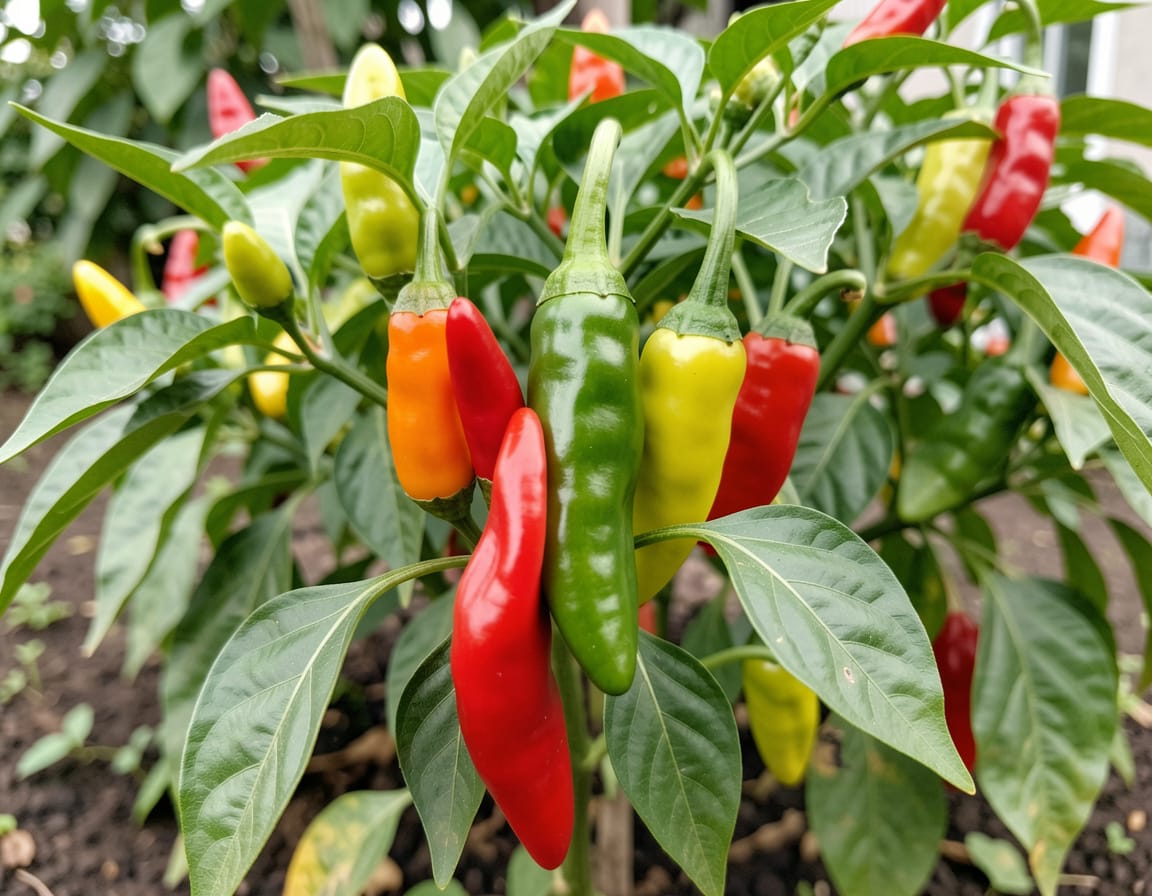
- Aesthetics: The plants themselves are beautiful lush green leaves topped with bright red, orange, or yellow fruit.
- Versatility: You can grow them in pots, raised beds, or even sunny balconies.
For anyone exploring organic home gardening, chilli peppers bring both visual appeal and culinary excitement.
What You’ll Need
| Item | Purpose | Organic Benefit | Sustainability Tip |
| Chilli pepper seeds or seedlings | Starting point for your garden | Choose organic, non-GMO varieties | Buy from local seed suppliers or seed exchanges |
| Containers or garden beds | Hold soil and roots | Flexible placement options | Reuse clay pots or wooden boxes with drainage holes |
| Organic potting mix | Nutrient base for root growth | Free of synthetic fertilizers | Use compost-enriched soil or coco coir blends |
| Watering can or spray bottle | Keeps soil moist | Gentle watering prevents root damage | Refill using collected rainwater |
| Full-spectrum grow light (optional) | For indoor growing | Mimics natural sunlight | Choose energy-efficient LED lights |
| Compost or worm castings | Natural fertilizer | Adds nutrients and beneficial microbes | Reuse kitchen scraps for composting |
Step-by-Step: How to Grow Chilli Peppers for Beginners
1. Choose the Right Variety
For beginners, start with easy-to-grow, moderate-heat varieties such as:
- Jalapeño (mild to medium heat)
- Cayenne (slender and productive)
- Banana pepper (mild and sweet)
- Thai chilli (compact and prolific indoors)
Smaller varieties tend to mature faster and perform well in containers.
2. Start Your Seeds
Chilli peppers need warmth to germinate.
- Sow seeds ¼ inch deep in trays or small pots filled with organic seed-starting mix.
- Keep soil evenly moist, not soggy.
- Maintain temperatures between 75–85°F (24–29°C) for germination.
- Seeds typically sprout within 7–14 days.
If your home is cool, place trays on a seedling heat mat for consistent warmth.
3. Provide Light and Warmth
Once seedlings appear, give them 12–14 hours of bright light daily.
- A sunny south-facing window works well.
- If natural light is limited, use a full-spectrum LED grow light placed about 6–8 inches above plants.
Warmth is crucial chillies stop growing below 60°F (15°C). Keep them in a warm, draft-free spot.
4. Transplant Carefully
When seedlings are about 4 inches tall and have several true leaves, transplant them into larger containers (at least 10–12 inches deep).
- Use a well-draining organic potting mix enriched with compost.
- Space plants 12–18 inches apart in garden beds or one per pot for containers.
At this stage, gently acclimate plants to outdoor conditions by placing them outside for a few hours daily (“hardening off”) before full transplanting.
5. Watering the Right Way
Chilli peppers like consistent but moderate moisture. Overwatering is a common beginner mistake.
- Water when the top inch of soil feels dry.
- Deeply soak the soil, then allow it to dry slightly before watering again.
- Always ensure the container has proper drainage holes.
Mulching with straw or shredded leaves helps retain moisture naturally.
6. Feeding Organically
Feed your chilli plants every 2–3 weeks using:
- Compost tea (for steady nitrogen)
- Worm castings (for soil structure and root strength)
- Seaweed extract (for micronutrients and leaf health)
Avoid synthetic fertilizers they can produce lush foliage at the expense of fruit.
7. Flowering and Pollination
Once your chilli plants start flowering, gently shake or tap the stems to help with pollination if you’re growing indoors. Outdoors, bees and wind will handle it.
Keep temperatures stable extreme heat or cold can cause flower drop.
8. Harvesting Your Chillies
You can harvest chillies when they’re green for mild flavor or wait until they turn red, orange, or yellow for full heat and sweetness.
Use clean scissors or pruning shears to cut peppers off the plant—never pull, as that can damage stems. After harvest, plants often continue producing for several months.
Common Mistakes to Avoid
| Mistake | Why It’s a Problem | Solution |
| Overwatering | Roots suffocate and rot | Let topsoil dry slightly between watering |
| Insufficient light | Weak, leggy growth | Provide 12–14 hours of bright light daily |
| Using chemical fertilizers | Can burn roots, affect flavor | Stick to natural compost or worm castings |
| Cold drafts | Stunts growth | Keep plants in warm, sheltered spots |
| No pollination indoors | Flowers drop without fruit | Hand-pollinate using a small brush or tapping method |
Pest and Disease Management (Organic Methods)
- Aphids or whiteflies: Spray plants with diluted neem oil once a week.
- Spider mites: Maintain humidity and wipe leaves with a damp cloth.
- Fungal issues: Avoid overhead watering; water at the soil level.
- Pepper leaf curl: Often caused by temperature stress keep plants consistently warm.
Companion planting with basil or marigold helps deter pests naturally.
Ideal U.S. Home Growing Scenarios
- Apartments: Grow compact varieties in 10-inch pots near sunny windows.
- Suburban homes: Use raised beds or patio containers for easy care.
- Cold regions: Start seeds indoors in late winter and move plants outside after frost.
- Hot southern states: Provide partial shade during peak summer afternoons.
- Urban balconies: Lightweight containers with drip trays fit perfectly in small sunny corners.
Expert Tips for Healthy, Productive Plants
- Pinch early flowers: This encourages stronger root and branch growth before heavy fruiting.
- Rotate containers: Rotate every few days so all sides get equal light exposure.
- Prune regularly: Remove yellowing leaves to improve air circulation.
- Support heavy plants: Use bamboo stakes or small tomato cages for stability.
- Store seeds: Save seeds from your best peppers for next year’s crop just dry them completely first.
Frequently Asked Questions
1. How long do chilli peppers take to grow from seed? Most varieties take 70–100 days from seed to ripe fruit, depending on the type and temperature.
2. How much sunlight do chilli peppers need? Chillies require 6–8 hours of bright sunlight daily or 12–14 hours under grow lights indoors.
3. Can I grow chilli peppers indoors year-round? Yes. With sufficient light, warmth, and humidity, chilli peppers can thrive indoors all year.
4. How often should I water chilli plants? Water when the top inch of soil feels dry usually every 2–3 days, depending on your climate.
5. Do chilli plants come back every year? In warm climates (zones 9–11), they can be perennial. In colder regions, treat them as annuals or overwinter indoors.
6. Can I grow chillies in small pots? Yes. Choose compact varieties like Thai chillies or jalapeños, and use containers at least 10 inches deep with good drainage.
Conclusion
So, how do you grow chilli peppers for beginners? Start with organic seeds, warm soil, and plenty of light. Keep the soil moist but not soggy, feed gently with compost, and harvest when fruits reach their full color. Within a few months, you’ll enjoy homegrown peppers bursting with flavor, heat, and freshness.
In my experience, chilli peppers are one of the most rewarding plants for beginner gardeners they’re adaptable, decorative, and productive in almost any U.S. home environment. Whether on a sunny balcony, a kitchen windowsill, or a backyard garden, growing chillies organically connects you with nature’s rhythm and adds a bold, beautiful bite to your cooking.
