Every product is independently reviewed and selected by our editors. If you buy something through our links, we may earn an affiliate commission at no extra cost to you.
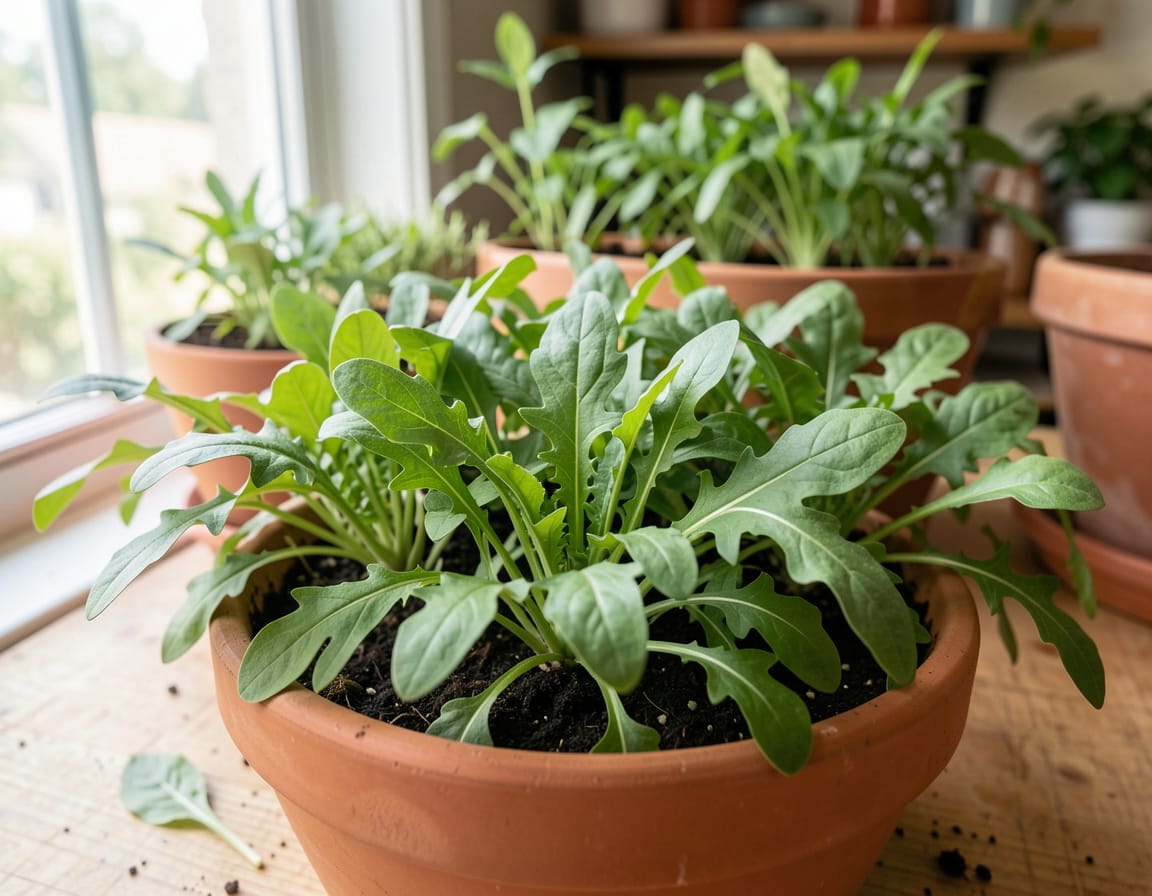
If you’re looking for an easy, fast-growing leafy green to add to your organic home garden, learning how to grow arugula at home is a perfect place to start. Arugula (Eruca sativa) also called rocket or roquette is a cool-season green known for its peppery bite and tender leaves. It grows quickly, thrives in containers or garden beds, and doesn’t require much space or complicated equipment.
In my experience helping U.S. homeowners and renters design organic gardens, arugula consistently ranks as one of the most satisfying crops to grow. You can sow it in early spring or fall outdoors, or even keep it going year-round indoors under lights. Within just 3–4 weeks, you’ll be harvesting fresh, healthy leaves straight from your home garden no grocery store trips, no plastic packaging, and no pesticides.
This guide covers everything you need to know about growing arugula naturally at home: the best soil and light conditions, watering routines, organic fertilizer options, pest prevention, and harvesting techniques for continuous yields.
Why Grow Arugula at Home?
Growing arugula at home offers both environmental and lifestyle benefits:
- Freshness: You harvest only what you need, so your greens are never wilted or days old.
- Sustainability: Homegrown arugula reduces food waste and eliminates the carbon footprint of store-bought produce.
- Flavor: Fresh-picked leaves are far more flavorful and aromatic than packaged greens.
- Health: You control what goes into your soil no synthetic fertilizers or pesticides.
- Aesthetics: Those bright, serrated leaves bring a natural, organic look to patios, balconies, and kitchen windowsills.
Whether you live in an apartment, townhouse, or suburban home, arugula fits beautifully into any sustainable gardening plan.
What You’ll Need
| Item | Purpose | Organic Benefit | Sustainability Tip |
| Arugula seeds | Start your plants | Choose certified organic, non-GMO varieties | Buy from local or regional seed companies |
| Container or garden bed | Holds plants and soil | Allows flexible planting indoors or outdoors | Repurpose wooden boxes, ceramic pots, or raised beds |
| Organic potting mix or compost-rich soil | Growing medium | Promotes strong root growth naturally | Use compost from kitchen scraps if available |
| Watering can or spray bottle | Keeps soil evenly moist | Maintains steady growth | Reuse old glass or metal containers |
| Full-spectrum grow light (optional) | Provides consistent light indoors | Replaces sunlight for year-round growth | Use energy-efficient LEDs |
Step-by-Step: How to Grow Arugula at Home
1. Choose the Right Location
Arugula prefers cool, moderate temperatures and 4–6 hours of sunlight per day. Outdoors, choose a spot with morning sun and afternoon shade. Indoors, place containers near a bright window or use a small grow light.
2. Prepare the Soil
Use loose, well-draining soil rich in organic matter. Blend compost or aged manure into your soil before planting. Ideal pH: 6.0 to 7.0. Avoid heavy clay soils that trap water.
3. Sow the Seeds
You can start arugula directly from seed no need for transplanting.
- Scatter seeds lightly over the soil surface.
- Cover with about ¼ inch of soil.
- Water gently so seeds stay in place.
- Keep the soil consistently moist until germination (5–7 days).
4. Water Properly
Arugula likes moisture but not soggy soil. Water when the top inch feels dry. In warm weather, daily light watering may be needed. Consistent hydration keeps leaves tender and prevents bitterness.
5. Maintain Ideal Temperatures
Arugula thrives between 55°F and 70°F. Hot weather causes it to bolt (flower) quickly, which makes leaves bitter. In summer, grow it in partial shade or indoors under controlled conditions.
6. Thin the Seedlings
When seedlings reach about 2 inches tall, thin them to 2–3 inches apart. This spacing ensures proper airflow and healthy leaf development.
7. Feed Organically
Every 2–3 weeks, feed your plants with diluted compost tea, worm castings, or organic seaweed fertilizer. Avoid chemical fertilizers they can alter the flavor and disrupt soil microbes.
8. Harvest at the Right Time
You can start harvesting baby leaves about 3–4 weeks after planting. Use clean scissors to snip the outer leaves, leaving the center to regrow. Regular harvesting encourages continuous growth.
Growing Arugula Indoors vs Outdoors
| Factor | Indoors | Outdoors |
| Light | 12–14 hours under grow lights or bright window | 4–6 hours of natural sunlight |
| Temperature | Controlled, ideal for year-round harvest | Weather-dependent, best in spring/fall |
| Pests | Fewer, easier to control with neem oil | May attract flea beetles or aphids |
| Yield | Smaller but consistent | Larger harvest in short bursts |
| Maintenance | Low | Moderate |
If you have limited outdoor space, indoor arugula is an excellent year-round option especially for apartment dwellers or cold-climate gardeners.
Organic Pest Prevention
Even healthy arugula can attract small pests. Here’s how to manage them naturally:
- Aphids: Spray leaves with a mix of mild soap and water (1 tsp soap per quart of water).
- Flea beetles: Cover young plants with lightweight garden fabric outdoors.
- Slugs: Use copper tape around containers or sprinkle crushed eggshells as a barrier.
- Mildew: Avoid crowding plants and water early in the day to let leaves dry.
Keeping your garden clean and maintaining proper airflow are the best long-term defenses.
Common Mistakes to Avoid
| Mistake | Impact | Solution |
| Overwatering | Root rot, yellow leaves | Water only when soil surface feels dry |
| Too much sun | Bitter leaves, bolting | Provide afternoon shade |
| Not harvesting enough | Slows new growth | Pick outer leaves regularly |
| Crowded plants | Poor airflow and disease | Thin seedlings early |
| Chemical fertilizers | Alters taste and soil health | Stick to organic compost or teas |
Practical U.S. Home Growing Examples
- Small Apartments: Compact containers on a sunny windowsill work perfectly.
- Suburban Yards: Mix arugula into raised beds or border gardens for edible landscaping.
- Urban Balconies: Use railing planters with filtered morning light.
- Cold Regions: Grow indoors near south-facing windows in winter months.
- Hot Climates: Grow arugula in the cooler months or indoors with air conditioning.
Expert Tips for Success
- Succession planting: Sow new seeds every 10–14 days for continuous harvest.
- Combine with companion herbs: Basil, parsley, and mint complement arugula’s flavor and pest resistance.
- Harvest early: Younger leaves taste milder; older leaves are spicier.
- Regrow from stubs: After harvesting, leave the base intact it may regrow new leaves.
- Incorporate décor: Small arugula pots integrated with natural wood or terracotta add organic charm to home kitchens.
Frequently Asked Questions
1. How long does arugula take to grow at home? Arugula typically takes 3–4 weeks from seed to first harvest, depending on light and temperature.
2. Can I grow arugula indoors year-round? Yes. With consistent moisture, moderate temperatures, and adequate light, arugula thrives indoors all year.
3. What type of soil does arugula prefer? Use light, well-draining organic soil rich in compost or aged manure.
4. How do I keep arugula from becoming bitter? Keep the temperature cool, water consistently, and harvest young leaves before the plant bolts.
5. Should I use fertilizer for arugula? Only organic, mild nutrients are needed compost tea or worm castings every few weeks are ideal.
6. Can I regrow arugula after harvesting? Yes. Snip outer leaves and allow the plant to keep its central crown; it will regrow fresh foliage for several weeks.
Conclusion
So, how do you grow arugula at home? It’s as simple as choosing organic seeds, planting in rich compost-based soil, keeping the soil evenly moist, and providing moderate sunlight. Within a month, you’ll enjoy your own homegrown, peppery greens.
From my professional experience working with sustainable home gardeners, arugula is one of the most rewarding crops for beginners. It grows fast, fits into small spaces, and keeps on producing with little effort. Whether you’re cultivating a kitchen windowsill garden or supplementing your backyard beds, growing arugula at home is an easy, eco-friendly way to enjoy fresh, nutritious greens all year long.
