Every product is independently reviewed and selected by our editors. If you buy something through our links, we may earn an affiliate commission at no extra cost to you.
Ornamental grasses are more than just outdoor landscaping tools they’re a versatile, sustainable, and visually striking way to enhance both indoor and outdoor living spaces. When asked what is the prettiest ornamental grass, I always consider not only appearance, but also health, sustainability, and compatibility with real American homes. In my years of working with families in urban apartments, suburban homes, and everything in between, I’ve found that the right grass can uplift a room, improve air quality, and bring a sense of calm to any setting.
What Does Prettiest Ornamental Grass Mean And Why Does It Matter
When we talk about the prettiest ornamental grass, we’re considering qualities such as:
- Visual Appeal: Color, texture, movement, and seasonal changes.
- Health and Air Quality: Many grasses act as natural air purifiers indoors and are allergy-friendly options outdoors.
- Mental Well-Being: The gentle movement and hushed rustle of grasses reduces stress and provides a natural, calming focal point.
- Sustainability: Native, non-invasive, and low-water grasses support local ecosystems and require fewer resources.
- Toxin-Free Living: Unlike synthetic décor, ornamental grasses don’t off-gas chemicals and are safe for kids and pets when chosen wisely.
Many homeowners underestimate just how much a single grass—such as Fountain Grass or the feathery Muhly Grass—can change a space, especially when incorporated with other natural materials and organic home décor ideas. I’ve seen small city apartments transformed with a single pot of airy Blue Fescue, and suburban gardens elevated by the ethereal pink plumes of Muhly Grass.
Everyday Organic Styling & Care Routine
Keeping ornamental grasses attractive and healthy is simpler than many think, provided you follow a few key daily or weekly habits:
1. Assess Light and Placement
- Indoors: Place grasses like Blue Fescue or Ponytail Palm where they get plenty of indirect sunlight. Rotate pots weekly for even growth.
- Outdoors: Most ornamental grasses thrive in full sun, but check your variety’s needs.
2. Wipe and Dust
- Gently wipe blades with a damp cloth or feather duster to keep them looking fresh and dust-free, especially indoors.
3. Water Mindfully
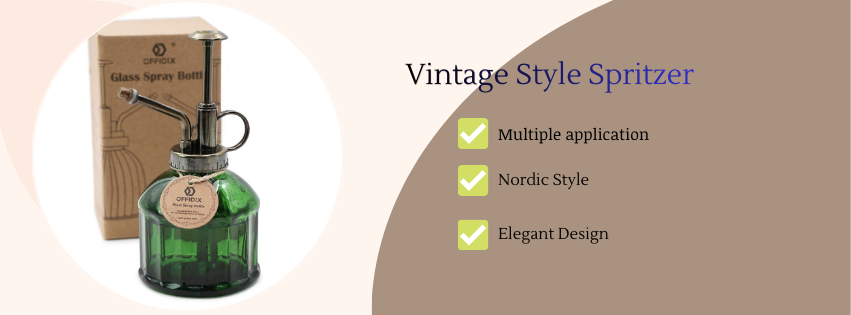
- Water only when the top inch of soil is dry. Overwatering is a common issue, especially for potted grasses.
- Use room-temperature, filtered water to prevent mineral build-up.
4. Prune When Needed
- Remove dead or yellowing blades immediately to prevent disease and keep the grass looking tidy.
5. Natural Fertilizer
- Apply a diluted organic liquid fertilizer once per month during the growing season (spring to early fall).
Example in Practice: In a Brooklyn apartment, I recommended low, wide pots for Blue Fescue near a south-facing window. Weekly dusting and monthly organic seaweed feed kept it lush year-round, and the client found its gentle blue-green tufts calming after work.
What You’ll Need
| Item | Why It’s Used | Organic / Health Benefits | Sustainability |
| Ornamental Grass (in pots or bare root) | Provides visual interest, air purification, and natural movement | Non-toxic, allergen-friendly options, improves indoor air | Native species support local wildlife; long-lived, low-resource |
| Organic Potting Mix | Healthy root growth, proper drainage | Chemical-free, no synthetic fertilizers | Compostable and renewable materials |
| Natural Planter (ceramic, clay, terracotta, bamboo) | Holds grass, adds to natural décor | No off-gassing, safe for food-growing | Durable, biodegradable, and plastic-free |
| Organic Mulch (bark, straw, coconut coir) | Retains moisture, prevents soil splash | No synthetic dyes or additives | Made from renewable resources |
| Watering Can or Bottle | Provides controlled hydration | Reduces overwatering risk | Reusable, reduces plastic waste |
| Feather Duster or Cloth | Removes dust and debris | Chemical-free cleaning | Reusable, washable |
| Pruning Shears (stainless steel) | Maintains shape, removes dead blades | No need for chemical growth regulators | Invest once, lasts for years |
| Organic Fertilizer (liquid kelp, fish emulsion) | Nourishes without toxins or heavy metals | Safe for pets and kids, improves soil health | Sustainable, fish/plant-based |
Professional Note: Always choose regionally appropriate grasses and organic-certified materials when possible. This ensures your décor is as healthy as it is attractive.
Deep Organic Setup or Seasonal Refresh
Refreshing Your Grass for a New Season
Every season brings a chance to rejuvenate your organic décor. Here’s how I recommend approaching a deep refresh:
Spring and Summer
- Repot overgrown grasses using fresh, organic potting mix.
- Divide clumps if grasses become root-bound—this keeps them healthy and provides new plants for other spaces.
- Move pots outdoors for extra sun, if safe from late frosts.
- Water more frequently as temperatures rise, but avoid soggy soil.
Fall and Winter
- Reduce watering and move pots to brighter windows (shorter days mean less light).
- Prune back old growth but leave attractive seed heads for texture and wildlife support.
- For outdoor grasses, mulch the base with organic straw or bark to protect roots.
Long-Term Health
- Watch for pests like spider mites indoors (rare but possible). Wipe down blades and use a neem oil spray if needed.
- Rotate decorative grasses seasonally—Muhly Grass or Switchgrass plumes in fall, Blue Fescue in spring, and Japanese Forest Grass for shady corners year-round.
Example: In a Denver home with large windows, we swapped Fountain Grass to the patio for the summer and brought it indoors for winter sun, giving the space a fresh but cohesive look every few months.
Prevention & Sustainability Tips
The beauty of the prettiest ornamental grass lies in its longevity and low impact. Here’s what I advise for sustainable, toxin-free maintenance:
- Choose Native or Non-Invasive Varieties: Avoid exotic grasses that may become invasive. Native options like Little Bluestem or Prairie Dropseed support pollinators and local wildlife.
- Say No to Synthetics: Never use synthetic fertilizers, dyed mulch, or plastic pots—they can leach toxins and disrupt healthy soil biology.
- Prevent Plant Stress: Avoid sudden light changes. Transition grasses gradually from indoor to outdoor locations to prevent shock.
- Compost Trimmings: Grass clippings make fantastic compost, returning nutrients to your garden or plant pots.
- Invest in Quality: A single, healthy grass in a beautiful natural planter outshines a roomful of cheap, synthetic décor.
Common Mistakes to Avoid
After years consulting on organic home decoration, I see certain mistakes repeated often:
1. Falling for “Greenwashed” Décor
- Many mass-market “eco-friendly” grasses are plastic or treated with chemicals for longer shelf life. Always ask for botanical names and source information.
2. Poor Lighting Choices
- Placing sun-loving grasses in dark corners leads to yellowing and stunted growth. Blue Fescue and Japanese Forest Grass tolerate some shade, but most varieties need at least 4–6 hours of light.
3. Improper Watering
- Overwatering is more common than under-watering, especially in apartments. Roots need air—let the soil dry out slightly between waterings.
4. Chemical-Treated Materials
- Avoid planters or soils with chemical additives. Glazed ceramic can be safe, but steer clear of plastic pots with unknown origins.
5. Ignoring Local Climate
- In cold climates, not all grasses overwinter well. For rental balconies in Boston or Chicago, choose hardy pots or treat grasses as annuals.
My Experience: I’ve rescued many ornamental grasses from near-death in underlit, overwatered offices—just a move to a sunny window and proper drainage brought them back. Always listen to your plant’s signals!
Local U.S. Home Context: Realistic Applications
Working in American homes means dealing with diverse conditions:
- Apartments: Compact grasses like Blue Fescue or Japanese Forest Grass are ideal for window sills or balcony planters.
- Rental Restrictions: Use freestanding pots to avoid altering walls or floors. Grasses make excellent “movable” natural accents.
- Open-Concept Homes: Tall grasses in large ceramic planters can define space without blocking light, perfect for dividing living and dining areas.
- Urban Balconies: Choose drought-tolerant varieties like Fountain Grass for sun-soaked balconies (with proper drainage saucers).
- Suburban Gardens: Native tall grasses like Switchgrass add privacy and movement to larger yards, and support birds and pollinators.
- Low-Light Environments: Japanese Forest Grass and certain Carex species thrive in shade, offering organic home décor ideas for basements or north-facing rooms.
- Seasonal Variations: In regions with harsh winters, grasses in pots can be overwintered indoors; in the South, most thrive outdoors year-round.
Extra Expert Tips: Going Beyond the Basics
Drawing from decades of hands-on work, here are advanced tips for the prettiest ornamental grass success:
Budget-Friendly Upgrades
- Shop local native plant sales for grasses at half the cost of big-box stores.
- Divide mature grasses each spring—one becomes several, saving money and reducing waste.
- Repurpose vintage ceramic bowls or baskets as planters (line with coir for drainage).
Low-Maintenance Strategies
- Focus on slow-growing, drought-tolerant varieties to reduce care needs.
- Group grasses with similar light and water requirements for efficient maintenance.
- Use self-watering planters if you travel frequently.
Long-Term Sustainability Hacks
- Harvest and dry seed heads for natural indoor arrangements—no need for artificial flowers.
- Compost spent foliage instead of discarding.
- Arrange grasses to block direct sun in summer, reducing your HVAC needs.
FAQ: Prettiest Ornamental Grass Choices and Practical Guidance
Q1: What is truly the prettiest ornamental grass for both indoor and outdoor use? From my hands-on experience, Pink Muhly Grass (Muhlenbergia capillaris) tops the list for sheer beauty—its airy pink plumes are breathtaking in sunlight and equally stunning dried for indoor arrangements. For smaller spaces, Blue Fescue offers a tidy, soft-blue accent that works in pots or garden beds.
Q2: Are ornamental grasses safe for homes with pets and kids? Most ornamental grasses are non-toxic, but always check the variety. Avoid grasses like Pampas Grass, which can be sharp. For kid- and pet-friendly homes, Blue Fescue and Japanese Forest Grass are both safe and soft to the touch.
Q3: How do I prevent my ornamental grass from turning brown indoors? Indoors, browning is usually due to low humidity, inadequate light, or overwatering. Place your grass near a bright window, keep the soil slightly moist but not soggy, and gently mist if your home is dry. Trim away brown blades to encourage new growth.
Q4: Can I grow ornamental grass on a shady north-facing balcony? Yes—opt for shade-tolerant varieties like Japanese Forest Grass (Hakonechloa) or certain Carex species. These grasses thrive with minimal direct sunlight and add lush greenery to shaded areas.
Q5: Is it possible to keep ornamental grasses alive through harsh U.S. winters? In-ground native grasses usually overwinter well (mulch helps). For potted grasses in cold climates, bring them inside to a bright, cool room. Cut back dead growth in early spring to refresh.
Q6: How do I know if a grass is truly organic or sustainably grown? Buy from local native plant nurseries and ask about their growing practices. Look for organic certification if available, avoid chemically treated stock, and always request the botanical name.
Q7: What is the best way to style the prettiest ornamental grass in a modern home? Use natural planters (clay, stone, or woven fibers) and place grasses where their movement is highlighted—by a breezy window, or as a living divider in open spaces. Pair with organic home décor ideas like untreated wood, linen, or wool for a calming, cohesive look.
Conclusion: The Prettiest Ornamental Grass Is the One That Fits Your Home Naturally
The search for the prettiest ornamental grass isn’t just about appearance—it’s about finding a naturally beautiful, sustainable, and health-conscious addition that brings real joy to your space. Whether you’re styling a downtown apartment or a suburban backyard, native and organically grown grasses like Pink Muhly, Blue Fescue, and Japanese Forest Grass offer effortless elegance and minimal upkeep. They purify the air, soothe the mind, and prove that organic home decoration can be both stunning and practical.
In my experience, the grass that looks best is the one that thrives in your unique environment, with the least input, and the greatest reward. Go natural, choose wisely, and let your home benefit from the quiet beauty and resilience of ornamental grasses.
For more expert guidance on organic gardening, natural interior decoration, and sustainable home design, follow our blog.
