Every product is independently reviewed and selected by our editors. If you buy something through our links, we may earn an affiliate commission at no extra cost to you.
When homeowners or renters ask me about the best low-maintenance bush, I always start by clarifying what kind of maintenance you’re hoping to avoid watering, pruning, pest control, or general fussiness. The right answer depends on your region, light exposure, and whether you want evergreen structure or seasonal blooms. That said, there are several tried-and-true shrubs that perform beautifully across most U.S. climates with minimal care.
Best Low Maintenance Bush That Thrives with Minimal Care
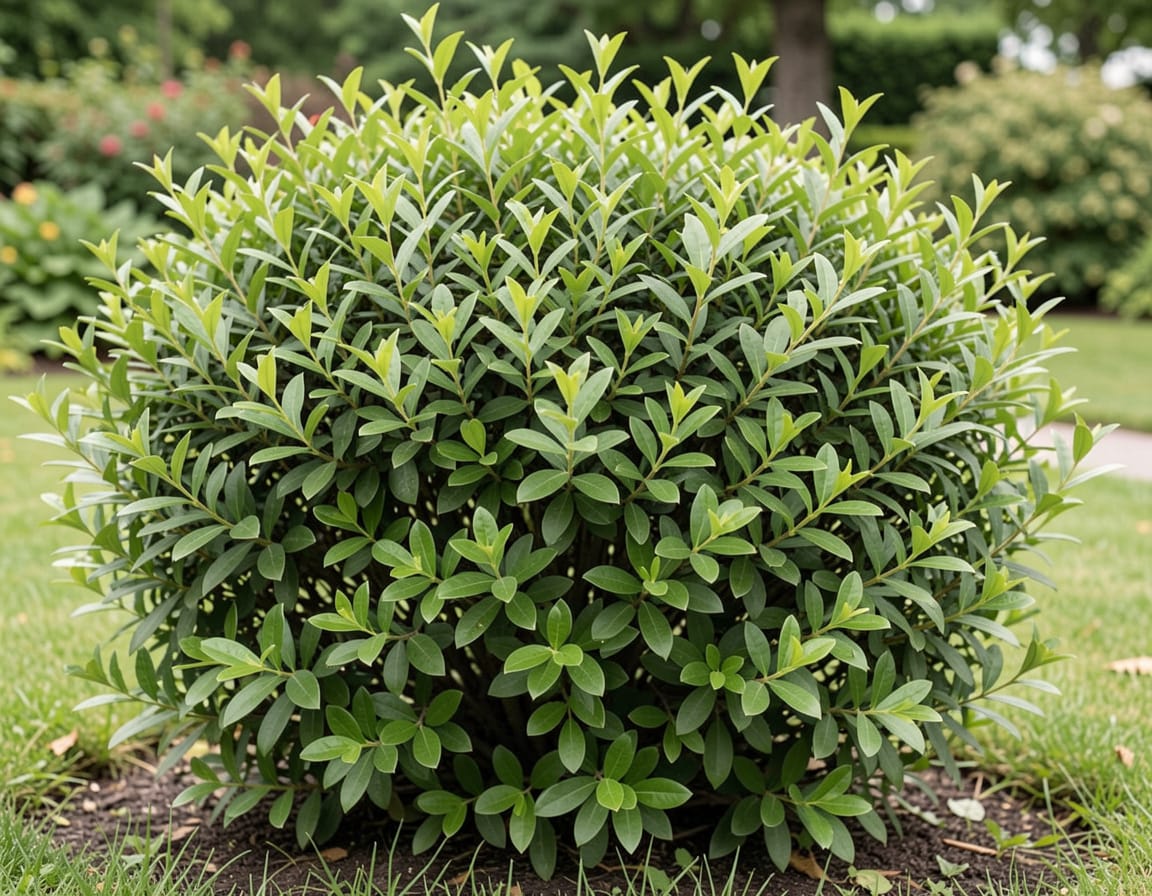
The best low maintenance bush that thrives with minimal care is ideal for easy gardening. These bushes grow well with little watering or pruning, making them perfect for busy homeowners. They add lasting beauty to your garden without needing constant care.
Below are some of the most reliable options I recommend, based on years of designing sustainable landscapes and organic home gardens:
1. Boxwood (Buxus spp.) Classic Evergreen Structure
Best for: Formal or naturalistic landscapes, foundation plantings, containers Why it’s low-maintenance: Once established, boxwoods tolerate drought, need pruning only once or twice a year, and thrive in partial sun. Organic care tip: Use compost-based mulch around the base instead of synthetic fertilizers. It maintains moisture and supports soil microbes that keep roots healthy. Caution: Avoid chemical leaf shine or pesticide sprays boxwoods are sensitive to buildup.
2. Spirea (Spiraea japonica or S. bumalda) Reliable Bloomer
Best for: Sunny front yards, pollinator-friendly gardens Why it’s low-maintenance: Spirea shrubs flower abundantly in late spring and require only a light trim after blooming. They handle heat, drought, and poor soil. Organic care tip: Add a layer of leaf mold or aged compost in spring to boost flowering naturally without synthetic feed.
3. Inkberry Holly (Ilex glabra) Native and Evergreen
Best for: Wet or clay soils, privacy hedges, native landscapes Why it’s low-maintenance: Native to the eastern U.S., Inkberry tolerates a wide range of conditions and resists most pests. Sustainability bonus: Provides berries for birds and year-round structure without needing heavy pruning or chemical inputs.
4. Potentilla (Dasiphora fruticosa) Hardy and Sun-Loving
Best for: Sunny borders, Western climates, foundation plantings Why it’s low-maintenance: Drought-tolerant once established, blooms from spring through fall, and rarely has pest or disease issues. Organic care tip: Cut back by one-third in early spring and top-dress with compost. The shrub will respond with dense, healthy new growth.
5. Nandina domestica (Heavenly Bamboo) Low Care, but Use Responsibly
Best for: Partial shade, decorative berries, structural foliage Why it’s low-maintenance: Needs little pruning and stays colorful year-round. Sustainability caution: In warmer regions (Southeast, Southwest), choose sterile cultivars like ‘Firepower’ or ‘Gulf Stream’ to avoid invasiveness.
6. Winterberry (Ilex verticillata) Seasonal Color with Minimal Work
Best for: Cold climates, naturalized or rain gardens Why it’s low-maintenance: Native deciduous holly that tolerates wet soil and cold winters. Organic care tip: Plant both male and female shrubs for berries no fertilizers needed if grown in healthy, compost-rich soil.
7. Dwarf Hydrangea (Hydrangea paniculata ‘Bobo’ or ‘Little Lime’)
Best for: Mixed borders, small gardens, partial sun Why it’s low-maintenance: Compact form, minimal pruning, reliable bloom from summer to fall. Organic care tip: Use rainwater when possible hydrangeas are sensitive to chlorine and fluoride in tap water.
My Shortlist: Regionally Reliable, Truly Low Maintenance
If I had to pick just one for general U.S. homeowners:
- For sunny, dry areas: Potentilla
- For humid or coastal regions: Inkberry Holly
- For shady spots: Nandina ‘Gulf Stream’ or Boxwood
- For four-season beauty: Dwarf Hydrangea ‘Little Lime’
A Few Professional Maintenance Rules of Thumb
- Plant once, water deeply until established, then leave it alone. Overwatering is the #1 killer of “low-maintenance” shrubs.
- Mulch organically. Two inches of wood chips or shredded leaves prevent weeds, conserve moisture, and feed soil microbes.
- Skip synthetic fertilizers. Compost or worm castings once a year are plenty for most shrubs.
- Prune lightly and purposefully. Remove dead wood in early spring; avoid constant shearing that stresses plants.
Final Thought
In my experience maintaining sustainable gardens across different U.S. climates, the best low-maintenance bush is the one that fits your local conditions and lifestyle not just the one labeled “easy.” Start with native or regionally adapted species, feed the soil naturally, and give your shrubs room to grow. The less you interfere, the healthier and more beautiful your landscape becomes over time.
