Every product is independently reviewed and selected by our editors. If you buy something through our links, we may earn an affiliate commission at no extra cost to you.
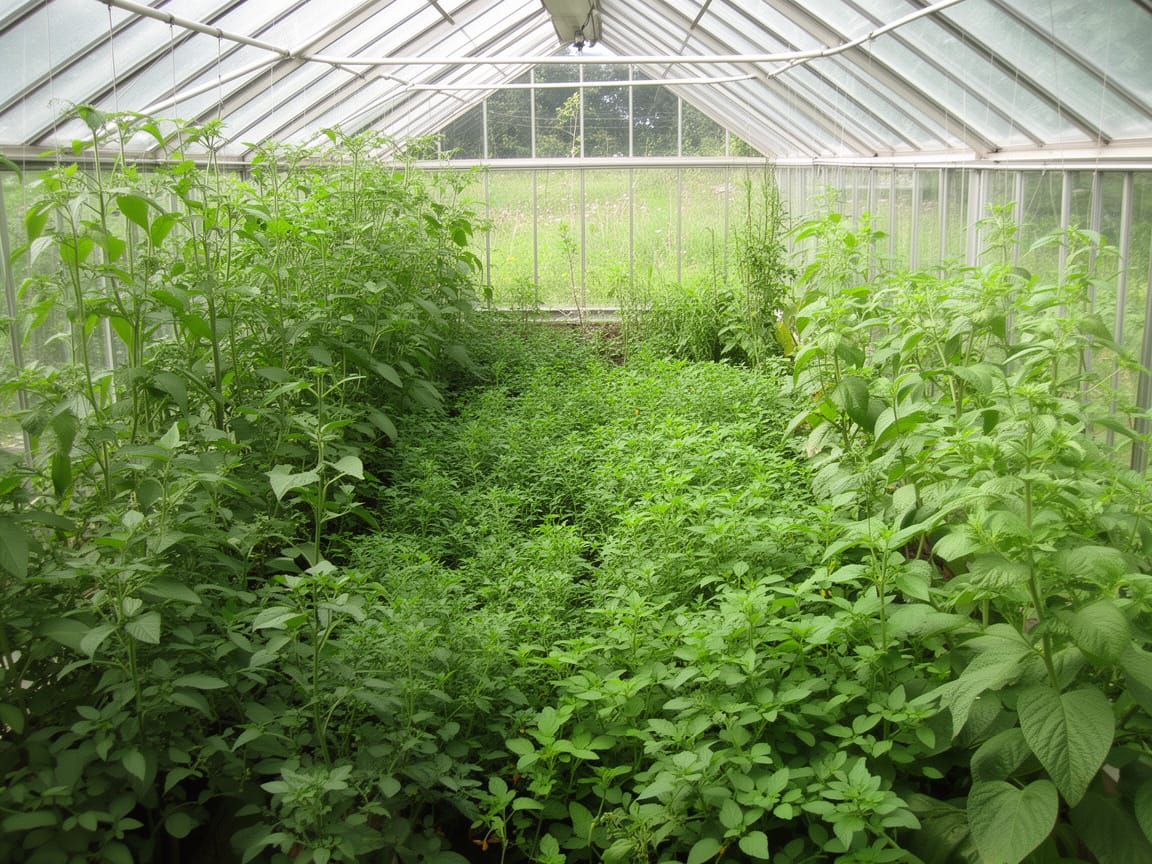
That’s a truly important and practical matter .I help homeowners and also answer often when they first set up their greenhouse. The beauty of a greenhouse is control: warmth, protection, and extended seasons. But that means the best plants are those that actually benefit from that control, not just anything you’d grow outdoors.
Here’s how I help clients in the U.S. decide what to grow for the best yield, lowest maintenance, and longest harvest season.
1. Understand What a Greenhouse Does Best
A greenhouse creates a stable, protected microclimate. It traps heat, shields plants from wind, and allows you to manage humidity and watering precisely. So the ideal plants are those that either:
- Need more heat than your local climate provides,
- Can’t tolerate wind, pests, or cold snaps, or
- Benefit from an extended growing season (longer than your outdoor frost window).
In other words, the greenhouse isn’t just shelter it’s a way to grow delicate or long-season crops naturally and organically.
Top Greenhouse Crops by Category
A. Warm-Season Vegetables (the greenhouse classics)
These are the crops that truly thrive in the warmth and protection of a greenhouse.
| Plant | Why It’s Ideal | My Practical Tips |
| Tomatoes | Need steady warmth and pollination control | Use indeterminate varieties; prune for air flow; hand-pollinate or use a small fan |
| Peppers (sweet and hot) | Love consistent heat and humidity | Keep soil evenly moist; avoid over-fertilizing with nitrogen |
| Cucumbers | Grow quickly and vertically | Train up twine or netting; harvest often to keep vines productive |
| Eggplants | Benefit from shelter against cold nights | Stake early; watch humidity — they dislike stagnant air |
| Bush Beans | Fast, compact, and productive | Great for small spaces; rotate after harvest to avoid pests |
These crops typically give the highest return for your greenhouse space in flavor and volume.
B. Cool-Season and Transitional Crops
Perfect for spring and fall when outdoor temps swing too much.
| Plant | Season | Notes |
| Lettuce, spinach, arugula, and other greens | Fall–spring | Thrive in cooler temps; harvest continuously |
| Radishes, carrots, beets | Early spring or late fall | Sow densely; thin for baby roots |
| Kale, Swiss chard, mustard greens | Fall–winter | Very cold-tolerant, require little heat |
| Broccoli rabe, bok choy | Spring / fall | Quick growers; appreciate stable humidity |
When I manage small greenhouses for clients, I often run these crops under tomato or cucumber trellises early or late in the season using space twice in one year.
C. Herbs That Excel Indoors
Herbs are the easiest, most rewarding greenhouse crops for both beginners and busy gardeners.
| Herb | Care Tip | Benefit |
| Basil | Loves heat; pinch tips often | Year-round fresh leaves |
| Parsley | Handles partial shade well | Long harvest window |
| Cilantro | Prefers cooler temps | Sow in succession every 3–4 weeks |
| Thyme, oregano, rosemary | Keep drier and well-drained | Perennial herbs that smell amazing |
| Mint and lemon balm | Grow in pots (very aggressive roots) | Great for teas and pollinator attraction |
By grouping herbs with similar watering needs, you’ll keep maintenance simple and avoid fungal issues.
D. Fruits for Experienced or Heated Greenhouses
If you can keep nighttime temps above 50°F, try these rewarding long-term crops:
| Fruit | Best Conditions | Notes |
| Strawberries | Cool, bright, moderate humidity | Excellent in hanging baskets or vertical towers |
| Lemons, limes (dwarf citrus) | Heated greenhouse or sunroom | Fragrant and ornamental |
| Figs | Large containers; moderate heat | Great for unheated greenhouses in mild climates |
| Melons (small varieties) | Warm, well-ventilated space | Trellis to save space |
These give both beauty and yield if you’re ready for a bit more care.
E. Specialty or Quick-Turn Crops
If you want continuous productivity and fast harvests:
- Microgreens: A tray can be ready in 10–14 days.
- Cut-and-come-again lettuces: Ideal for small families.
- Seedlings and starts: Use the greenhouse as your propagation house before transplanting outdoors.
This approach keeps your greenhouse profitable and active even when main crops are between seasons.
What Not to Grow Inside
Some plants simply don’t justify the space or prefer outdoor conditions:
- Corn or large vine squash: Too tall and sprawling.
- Potatoes, onions, garlic: Better in open soil and cooler air.
- Perennial shrubs or trees: Unless you’re in a large high-tunnel, they quickly outgrow the space.
Keep your greenhouse for plants that truly need a controlled microclimate.
Layering for Maximum Efficiency
In small greenhouses (6×8 or 8×10 ft), plan by height:
- North wall: Trellised crops like tomatoes or cucumbers.
- Middle bench: Mid-height crops such as peppers and herbs.
- South edge: Low-growing greens and starts that enjoy extra light.
- Overhead baskets: Strawberries, mint, or small trailing herbs.
This vertical zoning uses every cubic foot efficiently.
Organic Care Habits for Healthy Growth
Based on many seasons maintaining greenhouses organically:
- Vent daily even in winter to prevent mold and condensation.
- Mulch soil with straw or coco coir to stabilize moisture.
- Feed gently with compost tea or fish emulsion; overfeeding causes salt buildup.
- Encourage pollination using small fans or gentle hand-shaking for fruiting plants.
- Clean between crops wipe surfaces and replace old potting mix yearly to avoid disease buildup.
These small routines make or break greenhouse success.
Example All-Season Greenhouse Plan (6×8 ft)
| Season | Crops | Notes |
| Winter | Kale, spinach, parsley, lettuce mixes | Cold-hardy greens in insulated beds |
| Spring | Tomatoes, cucumbers, peppers (seed starts) | Transition to warm-season crops |
| Summer | Tomatoes, basil, eggplant, herbs | Peak productivity |
| Fall | Greens, carrots, herbs, cool-season roots | Extend harvest and prep for winter |
This rotation gives constant fresh produce and uses the space 12 months a year.
Final Takeaway
The best plants to grow in a greenhouse are those that:
- Prefer stable warmth (tomatoes, peppers, basil)
- Benefit from extended seasons (greens, herbs)
- Tolerate close planting and controlled humidity (lettuce, cucumber, strawberries)
Start with a mix of one fruiting crop, one leafy crop, and several herbs that combination teaches you how your greenhouse behaves through the seasons without overwhelming you.
