Every product is independently reviewed and selected by our editors. If you buy something through our links, we may earn an affiliate commission at no extra cost to you.
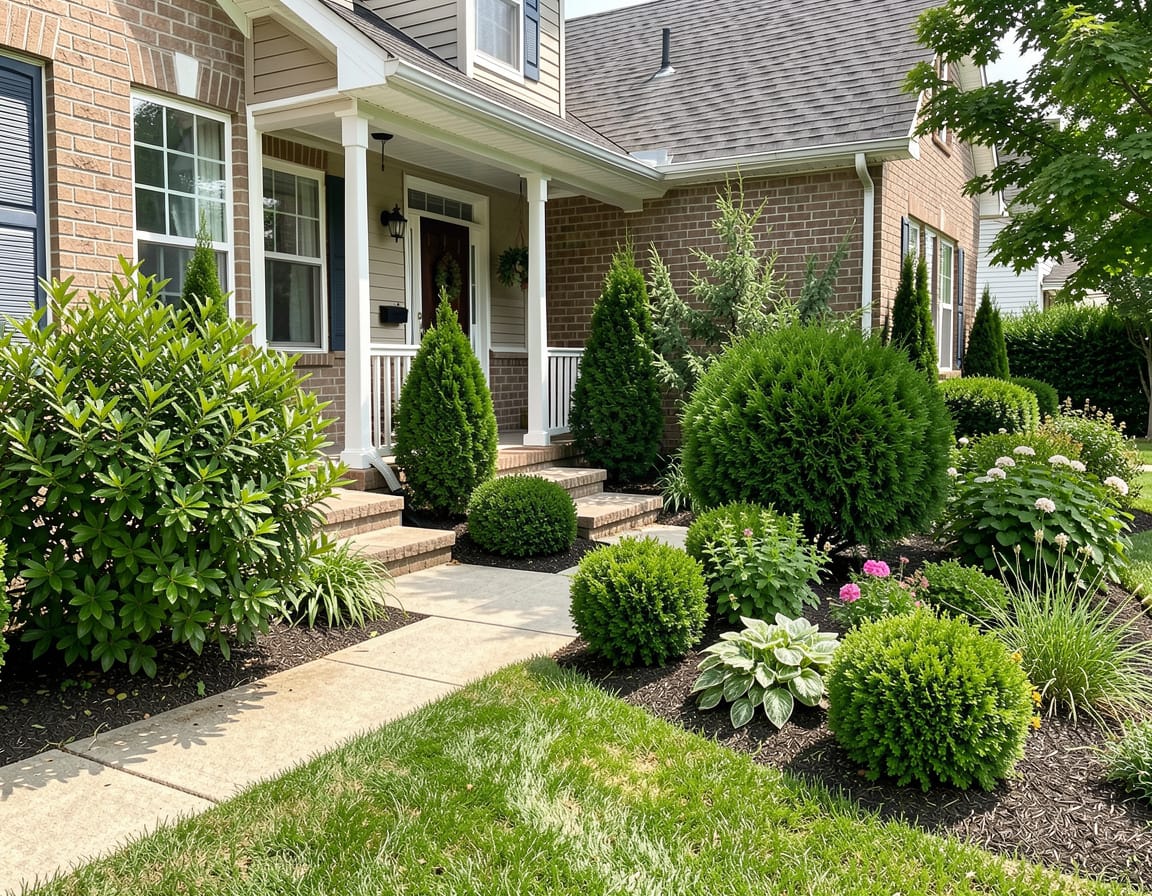
Choosing the right shrubs can completely transform your home’s appearance and boost curb appeal. What are the best shrubs to plant around the house? This is a common question for homeowners who want beauty, privacy, and low maintenance all in one landscape. The best foundation shrubs enhance your home’s style, thrive in your local climate, and require minimal care year-round. From evergreen shrubs that provide structure to flowering varieties that add seasonal color, selecting the right plants makes a big difference. In this guide, you’ll discover the best shrubs to plant around the house for long-lasting beauty and healthy growth.
Understanding What “Best Shrubs Around the House” Really Means
When I evaluate shrubs for foundation or perimeter planting, I look at four main factors:
- Root Behavior: You want shrubs with non-invasive roots that won’t threaten foundations, driveways, or utility lines.
- Size and Shape: Mature size matters more than the nursery tag. A shrub that looks cute in a 2-gallon pot can overwhelm a window in five years if it’s the wrong variety.
- Maintenance and Health: Choose species that stay disease-resistant and attractive with organic practices (compost, mulch, hand-pruning).
- Environmental Fit: Native or regionally adapted shrubs almost always outperform imported species using less water, less fertilizer, and supporting pollinators.
My Recommended Shrubs by Region
I’ve grouped these by broad U.S. climate zones so you can find what’s realistic for your own yard.
1. Eastern and Mid-Atlantic Regions
- Inkberry Holly (Ilex glabra) – A native evergreen that’s an excellent substitute for boxwood. It handles damp soil and partial shade and supports native pollinators.
- Virginia Sweetspire (Itea virginica) – Fragrant white blooms in spring and brilliant red fall color. Thrives in moist, well-drained soil, even in part shade.
- Oakleaf Hydrangea (Hydrangea quercifolia) – Four-season beauty with showy blooms, textured leaves, and peeling bark. Works well under dappled light.
2. Southeast and Gulf States
- Azalea (Rhododendron spp.) – Choose native or heat-tolerant varieties such as Rhododendron canescens for less chemical maintenance.
- Bottlebrush (Callistemon citrinus) – Excellent for pollinators, evergreen, and tolerant of humidity.
- Yaupon Holly (Ilex vomitoria) – A tough native evergreen that handles drought once established.
3. Midwest and Great Plains
- Ninebark (Physocarpus opulifolius) – Hardy and rugged, with stunning copper or burgundy foliage varieties. Handles cold winters and clay soils.
- Serviceberry (Amelanchier alnifolia or A. canadensis) – Multi-season interest: spring blooms, edible berries, and fall color.
- American Cranberrybush Viburnum (Viburnum trilobum) – Native, wildlife-friendly, and tolerant of tough conditions.
4. Southwest and Arid Regions
- Texas Sage (Leucophyllum frutescens) – Silver foliage, purple blooms after rain, and extremely drought-tolerant.
- Desert Willow (Chilopsis linearis) – Technically a small tree, but often used as a shrub. Great for hummingbirds and xeriscaping.
- Creosote Bush (Larrea tridentata) – A true desert survivor with aromatic foliage.
5. Pacific Northwest
- Oregon Grape (Mahonia aquifolium) – Evergreen with yellow flowers, blue berries, and year-round texture.
- Red-twig Dogwood (Cornus sericea) – Beautiful winter bark color, native, and adaptable to wet conditions.
- Evergreen Huckleberry (Vaccinium ovatum) – Great for part shade, provides berries for wildlife, and tolerates coastal conditions.
6. Mountain and High-Elevation Areas
- Dwarf Mugo Pine (Pinus mugo var. pumilio) – Compact evergreen with excellent cold tolerance.
- Potentilla (Dasiphora fruticosa) – Hardy, low-growing, and blooms all summer with very little care.
- Currants (Ribes spp.) – Some species are native, offer edible fruit, and thrive in cool climates.
Organic Care & Sustainability Tips
From my experience maintaining hundreds of foundation plantings, these are habits that make shrubs healthy and sustainable:
- Use Organic Mulch: A 2–3 inch layer of shredded bark or leaf compost keeps roots cool, suppresses weeds, and improves soil life. Avoid dyed mulch it’s often treated with synthetic chemicals.
- Water Deeply, Not Often: Once established, most shrubs do better with deep, infrequent watering that encourages strong root systems.
- Feed with Compost, Not Synthetic Fertilizers: Spread finished compost around the base in spring and midsummer.
- Prune Thoughtfully: Remove crossing or dead branches in late winter, but avoid heavy pruning that stresses the plant.
- Avoid Foundation Crowding: Leave 2–3 feet between mature shrubs and the house for air circulation and maintenance access.
Common Mistakes to Avoid
- Planting Too Close to the House: This causes mildew, pest issues, and eventual foundation interference.
- Ignoring Mature Size: Always check the mature height and width on the plant tag.
- Choosing Synthetic “Instant Green” Options: Many boxwoods and “plastic-looking” evergreens are treated with growth retardants or neonicotinoids before sale.
- Overwatering: Especially common with new homeowners. Shrubs prefer to dry slightly between watering sessions.
Best Practices for Renters or Small Yards
If you rent or have limited outdoor space, go for container-friendly shrubs you can move with you:
- Dwarf blueberry (Vaccinium spp.)
- Dwarf conifer varieties (juniper, mugo pine, or holly)
- Compact hydrangeas in large planters Use untreated wood, clay, or stone containers, and organic potting mix (look for OMRI-listed options).
Long-Term Eco-Friendly Benefits
Well-selected shrubs improve air quality, reduce energy costs by shading walls, and support native wildlife all while increasing your home’s curb appeal without toxic fertilizers or pesticides.
Quick Reference Table
| Shrub | Region | Why It’s Used | Health / Ecological Benefit |
| Inkberry Holly | East Coast | Evergreen structure near foundation | Native, supports pollinators |
| Ninebark | Midwest | Cold-hardy, colorful foliage | Thrives without chemicals |
| Texas Sage | Southwest | Drought-tolerant screening | Attracts pollinators, saves water |
| Oregon Grape | Northwest | Evergreen winter interest | Feeds birds, low maintenance |
| Yaupon Holly | Southeast | Heat & drought tolerant | Native, non-toxic berries for wildlife |
Extra Expert Tips
- Use Mixed Groupings: Combine evergreen and deciduous shrubs for four-season interest.
- Layer with Perennials: Native grasses or flowering perennials like echinacea or black-eyed Susan create a natural, balanced look.
- Think Long-Term: Avoid over-ornamental, short-lived hybrids that need constant pruning or chemical feeding.
FAQs
1. What are the best shrubs to plant around the house for low maintenance? Native evergreens like inkberry holly, yaupon holly, and Oregon grape are top choices they’re resilient, disease-resistant, and attractive year-round.
2. Can I plant shrubs close to my foundation? Yes, but maintain at least 2–3 feet of space from the wall to allow airflow and prevent moisture buildup.
3. Which shrubs are non-toxic for pets and kids? Serviceberry, blueberry, and sweetspire are safe options. Avoid oleander, azalea, and yew, which can be toxic if ingested.
4. How do I keep my organic shrubs healthy without chemicals? Feed with compost, mulch annually, and use beneficial insects or neem oil for pest control if needed.
5. What are the best shrubs around the house for privacy? Consider natives like wax myrtle (Southeast), ninebark (Midwest), or red-twig dogwood (Northwest).
6. How can renters grow shrubs organically? Use large containers with organic soil and water-retaining mulch. Choose dwarf varieties that stay compact.
Final Thoughts
Choosing the best shrubs to plant around the house isn’t just about looks it’s about longevity, safety, and sustainability. In my experience, the healthiest landscapes are those where the homeowner planned for local conditions, used organic practices, and gave each plant room to thrive. Start small, observe how your site behaves through the seasons, and build your plant palette gradually. That approach always produces the most natural, beautiful, and low-maintenance results.
