Every product is independently reviewed and selected by our editors. If you buy something through our links, we may earn an affiliate commission at no extra cost to you.
A thoughtfully placed bird bath can transform a plain front yard into a living, moving landscape. The gentle splash of water, flashes of feathers, and daily wildlife visits bring a sense of vitality that no static ornament can match. But the difference between a thriving bird-friendly feature and a neglected algae bowl comes down to smart design, correct placement, and proper maintenance.
Introduction
Many homeowners install a bird bath in their front yard only to find it unused, constantly dirty, or cracking after one winter. The problem isn’t the idea it’s the execution.
Choosing the wrong depth, placing it in full harsh sun, ignoring drainage, or overlooking predator safety can all reduce bird activity and increase maintenance headaches.
In this guide, I’ll walk you through practical, horticulturally sound bird bath ideas for front yard landscapes including placement strategy, materials, seasonal durability, cost considerations, and long-term care. Whether you have a small suburban lawn, a cottage garden, or a modern minimalist entry, you’ll learn how to create a bird bath setup that works for birds and for you.
Quick Summary Box
- Ideal water depth: 1–2 inches (sloped interior preferred)
- Best placement: Partial sun, near shrubs but 8–12 ft from dense predator cover
- Cleaning frequency: Every 2–3 days in summer
- Winter durability: Concrete and resin hold up best in USDA Zones 5–9
- Small yard option: Pedestal bath or hanging model
- Low-maintenance upgrade: Solar fountain or dripper
- Budget range: $30 (basic resin) to $400+ (stone or custom designs)
The best approach blends aesthetic inspiration with technical practicality.
Why a Bird Bath Works in a Front Yard (Not Just the Backyard)
Birds are drawn to reliable water sources more than feeders. In urban and suburban neighborhoods, water is often limited.
A front yard bird bath:
- Provides hydration and feather-cleaning water
- Increases bird diversity
- Enhines curb appeal
- Adds movement and sound to static landscapes
From a design perspective, water creates a visual focal point. When positioned near entryways or along walkway sightlines, it anchors the landscape the way a sculpture would — but with ecological benefit.
Classic Pedestal Bird Bath: Timeless and Functional
Why It Works
Pedestal bird baths elevate water 24–36 inches above ground, which:
- Improves bird visibility
- Reduces ground predator risk
- Makes cleaning easier for homeowners
The shallow bowl design encourages safe bathing.
How to Implement It Correctly
- Place on a level, compacted base (use 2–3 inches of crushed gravel beneath)
- Avoid placing directly under heavy leaf drop
- Position where it receives morning sun (east-facing exposure is ideal)
Morning sun warms water slightly while preventing algae buildup associated with intense afternoon heat.
Material Comparison
| Material | Pros | Cons | Cost Range |
| Concrete | Durable, stable, weather-resistant | Heavy, may crack in freeze-thaw cycles | $100–$300 |
| Resin | Lightweight, affordable | May tip in wind | $30–$120 |
| Natural Stone | Premium look, long lifespan | Expensive | $250–$600 |
USDA Zones 6 and colder: Empty and store concrete basins during winter to prevent cracking.
Maintenance Impact
Moderate. Requires scrubbing every few days in summer. Consider a basin liner for easier cleaning.
Modern Minimalist Bird Bath for Contemporary Front Yards
Why It Works
Flat, wide, shallow basins made from metal, ceramic, or smooth concrete complement:
- Clean architectural lines
- Drought-tolerant xeriscapes
- Gravel or stone-based front yards
Birds prefer wide landing space with gradual slopes.
Implementation Tips
- Water depth: No deeper than 2 inches
- Add flat stones for perching
- Install on stable pavers for weight distribution
If placing in a gravel garden, ensure the base is compacted to prevent tilting.
Cost & Setup
Modern steel or powder-coated models range from $150–$400.
For long-term durability:
- Choose rust-resistant coatings
- Avoid thin metal in regions with freeze-thaw cycles (Zones 4–6)
Maintenance is lower than pedestal models due to smoother surfaces.
Bird Bath Surrounded by Native Plants
Why It Works Ecologically
Birds prefer water sources near protective cover but not too close.
Ideal distance:
- 8–12 feet from dense shrubs
- Within quick flight distance for escape
Native plants support insects, which provide protein for birds.
Plant Pairing Ideas (By USDA Zone)
- Zones 4–8: Coneflower, black-eyed Susan, serviceberry
- Zones 7–10: Salvia, lantana, dwarf yaupon holly
- Zones 5–9: Ornamental grasses like switchgrass
Soil & Drainage Considerations
Planting beds should contain:
- 40% native soil
- 40% compost
- 20% coarse sand (for drainage)
Proper drainage prevents root rot and mosquito habitat.
Maintenance Impact
Moderate pruning required. However, plant diversity reduces pest pressure naturally.
Solar Fountain Bird Bath: Motion Attracts More Birds
Why It Works
Moving water:
- Prevents mosquito larvae
- Slows algae growth
- Increases bird attraction
Even a small bubbler makes a significant difference.
Buying Criteria
Choose:
- Pump rated for shallow water
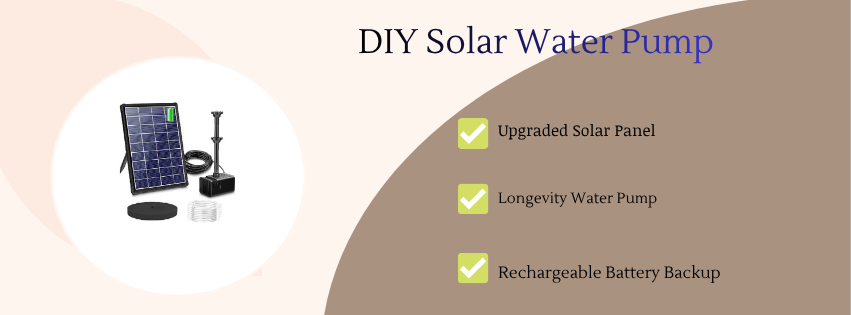
- Replaceable solar panel
- Battery backup for cloudy days
Avoid models that spray too high splashing lowers water levels quickly.
Cost Consideration
- Basic solar pump kits: $25–$60
- Integrated fountain baths: $120–$350
Maintenance increases slightly due to pump cleaning every 2–4 weeks.
Ground-Level Bird Bath for Naturalistic Landscapes
Why It Works
Many species including robins and towhees prefer ground-level water.
This setup blends seamlessly into cottage or woodland-style front yards.
Installation Method
- Dig a shallow depression
- Add compacted gravel base
- Install stone or ceramic basin
- Ensure rim is level
Keep depth under 1.5 inches.
Predator Safety
Avoid placing near:
- Dense hedges
- Cat hiding spots
Visibility is essential.
Cost is low $40–$150 depending on materials.
Small Front Yard Bird Bath Ideas
Limited space requires smart vertical thinking.
Hanging Bird Baths
- Mount on sturdy shepherd’s hook
- Keep 5–6 feet off ground
- Secure against wind
Best for patios and townhouse entries.
Wall-Mounted Options
Ideal for narrow walkways.
Mount into masonry or studs. Avoid mounting on siding alone.
Budget range: $35–$150.
Maintenance is similar to pedestal baths.
Seasonal Care: Preventing Algae, Mosquitoes, and Winter Damage
Cleaning Frequency
- Summer: Every 2–3 days
- Spring/Fall: Weekly
- Winter (mild zones 8–10): Monitor for freezing
Use:
- 1 part white vinegar to 9 parts water
- Rinse thoroughly
Avoid chemical cleaners.
Winter Protection
In Zones 5 and below:
- Drain completely
- Store upside down
- Use heated bird bath if you want winter activity
Heated units cost $50–$120 but increase electrical usage slightly.
Common Beginner Mistakes
- Water too deep
- Placing in full afternoon sun
- Ignoring predator visibility
- Letting water stagnate
- Choosing unstable lightweight models
Correct depth and placement solve most problems.
Budget vs Premium Bird Bath Setups
Budget Setup ($50–$120)
- Resin pedestal
- Basic solar bubbler
- Gravel base
Pros: Affordable Cons: Less durable
Mid-Range Setup ($150–$300)
- Concrete pedestal
- Integrated solar feature
- Native plant border
Pros: Balanced durability Cons: Heavier installation
Premium Setup ($400+)
- Carved stone or architectural feature
- Landscape lighting
- Professionally designed plantings
Pros: Long lifespan, strong curb appeal Cons: Higher upfront cost
Maintenance remains consistent across price ranges.
FAQ
What is the best location for a bird bath in the front yard?
Place it in partial sun, ideally with morning light and afternoon shade, 8–12 feet from protective shrubs.
How deep should a bird bath be?
No deeper than 2 inches. A gradual slope is ideal.
How often should you change bird bath water?
Every 2–3 days in warm weather to prevent algae and mosquitoes.
Do bird baths attract mosquitoes?
Only if water stagnates. Moving water or frequent cleaning prevents breeding.
Can I leave a bird bath out in winter?
In USDA Zones 7–10, yes with monitoring. In colder zones, drain and store or use a heated model.
Are solar fountains worth it?
Yes. They increase bird visits and reduce mosquito issues but require pump maintenance.
Conclusion
A well-designed front yard bird bath is more than a decorative feature it’s a functional wildlife habitat, a curb appeal enhancer, and a daily source of movement and sound.
When you choose the correct depth, place it with predator safety in mind, manage sun exposure, and commit to regular cleaning, the results are dramatic. Birds return consistently. Maintenance becomes predictable. And your front yard shifts from ornamental to ecological.
Start simple if needed. A stable pedestal bath with proper placement is enough to begin. Over time, you can layer in native plants, solar movement, or architectural upgrades.
The key is thoughtful installation and consistent care. Done right, your bird bath becomes one of the most rewarding features in your landscape for years to come.
