Every product is independently reviewed and selected by our editors. If you buy something through our links, we may earn an affiliate commission at no extra cost to you.
That stack of mismatched plates or chipped serving bowls doesn’t have to collect dust. With the right setup, old dishes can become a functional, bird-safe water source that increases biodiversity in your backyard, patio, or even apartment balcony.
But here’s the reality: most DIY dish bird baths fail because they’re too deep, unstable, or poorly placed. Birds ignore them. Algae builds up. Or they crack after one freeze.
If you want to build a bird bath from old dishes that birds consistently use and that lasts more than one season this expert guide will walk you through the right materials, depth adjustments, placement strategy, maintenance schedule, and seasonal care.
Introduction
Repurposing dishes into bird baths is sustainable and budget-friendly. But from a horticulture and wildlife-support perspective, functionality matters more than aesthetics.
Birds need shallow, stable, clean water in a safe microclimate. A deep salad bowl on a wobbly stand in full sun won’t attract much activity. A wide, textured platter placed in morning sun near shrub cover will.
By the end of this guide, you’ll know exactly:
- Which dishes are suitable
- How to modify depth safely
- How high to elevate the bath
- Where to position it for maximum bird traffic
- How to prevent mosquitoes and algae
- How to protect it in different USDA hardiness zones
Let’s build it correctly.
Quick Summary
- Ideal width: 12–18 inches
- Maximum water depth: 2 inches (1 inch at edges preferred)
- Best placement: Partial shade (east-facing exposure ideal)
- Distance from shrubs: 5–10 feet
- Elevation: 2–3 feet high (or ground level for specific species)
- Water refresh: Every 1–2 days in summer
- Winter care: Store indoors in Zones 6 and colder
Why Old Dishes Can Work And Why Many Don’t
From real-world experience, wide serving bowls and platters perform significantly better than deep mixing bowls or decorative glass pieces.
Why Shape Matters
Birds don’t swim in bird baths they stand and flutter. They prefer:
- Shallow water
- Gradual slopes
- Stable footing
- Wide perching areas
Deep dishes discourage smaller birds like finches and chickadees. Slippery surfaces make birds hesitant.
The goal is to replicate a shallow puddle, not a bowl of water.
Step 1: Choosing the Right Dish Material
Material choice determines durability, cleaning ease, and freeze resistance.
Best Options
1. Glazed Ceramic (Best Overall)
- Smooth but easy to scrub
- Holds water well
- Moderate weight for stability
- Attractive finish
Cost: Free if repurposed; $15–$40 if thrifted Maintenance: Low USDA Zones: Best in 7–10 unless brought indoors during winter
2. Thick Stoneware
- Heavier and more stable
- Better freeze resistance than porcelain
- Less prone to hairline cracking
Good option for Zones 6–9 with moderate winters.
3. Concrete or Cement Platters
- Highly durable
- Withstands outdoor exposure
- Heavy (won’t tip easily)
Must be sealed with a wildlife-safe concrete sealer.
Cost: $40–$100 if purchased Maintenance: Minimal once sealed
Materials to Avoid
- Thin glass (cracks in freeze-thaw cycles, especially Zones 3–6)
- Lightweight plastic (warps in UV heat)
- Metal trays (overheat quickly in direct sun)
In colder climates (Zones 3–6), always bring ceramic and glass indoors before freezing temperatures.
Step 2: Adjusting the Depth (Critical for Bird Safety)
Most serving bowls are too deep for birds.
Ideal Water Depth:
- 1 inch at edges
- 2 inches maximum in the center
Anything deeper increases drowning risk for small birds.
How to Fix a Deep Dish
If your bowl is too deep:
- Add smooth river stones
- Use flat slate pieces
- Create a gradual slope
Why This Works
- Birds need secure footing
- Multiple depth zones accommodate different species
- Textured surfaces prevent slipping
Cost impact: $5–$20 for decorative stones Maintenance impact: Stones require periodic scrubbing to prevent algae buildup
Avoid sharp stones or rough gravel.
Step 3: Building a Stable Base
A bird bath that tips once can scare birds away permanently.
Option 1: Upside-Down Planter (Budget-Friendly)
Choose a heavy terracotta or concrete planter:
- At least 10–12 inches tall
- Wider base than top
- Placed on level ground
Works well on patios and compacted soil.
Cost: $10–$30
Option 2: Buried Wooden Post (Most Stable)
For garden installation:
- Dig 12–18 inches deep
- Insert pressure-treated 4×4 post
- Add 4–6 inches of gravel at base for drainage
- Backfill and compact soil firmly
Why Gravel Matters
Improves drainage and reduces rot at the base.
Cost: $20–$50 Maintenance: Minimal once installed
Option 3: Concrete Pedestal (Premium)
Permanent and weather-resistant.
Ideal for formal landscapes.
Cost: $60–$150 Maintenance: Very low
Step 4: Strategic Placement (Most Important Factor)
Even a perfect dish fails if poorly placed.
1. Partial Shade Is Essential
Morning sun (east-facing exposure) is ideal.
Why:
- Reduces algae growth
- Prevents overheating
- Slows evaporation
Avoid west-facing full afternoon sun in hot climates (Zones 8–10).
2. Position Near Shrubs (But Not Under Them)
Place the bath 5–10 feet from shrubs.
Birds need quick escape routes from predators.
Good companion plants:
- Hydrangea (Zones 3–9)
- Native viburnum
- Ornamental grasses
- Dwarf boxwood
Avoid placing directly under trees falling leaves increase maintenance.
3. Consider Splash Zones & Soil
Birds splash water outward 6–12 inches.
If placing in a garden bed:
- Use well-draining loam soil
- Amend clay soil with 30% compost
- Avoid heavy mulch buildup near base
Constant wet soil encourages root rot in nearby plants.
Step 5: Water Quality & Mosquito Prevention
Standing water can become problematic quickly.
Refresh Frequency
- Every 1–2 days in summer
- Every 3 days in mild weather
Mosquito larvae need 5–7 days to hatch. Frequent water changes prevent infestation.
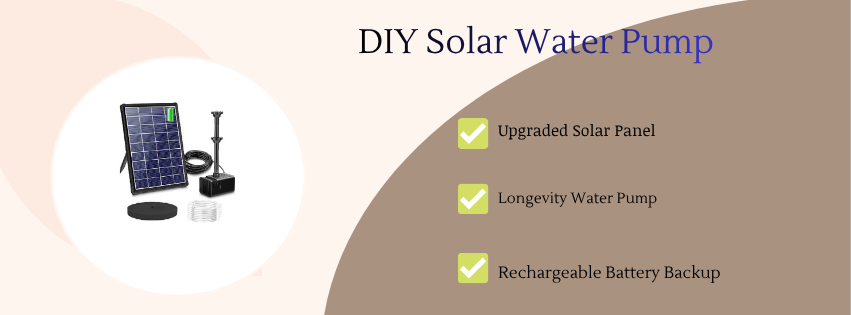
Optional Upgrade: Solar Fountain Pump
A small solar pump dramatically increases bird activity.
Cost: $20–$50
Look for:
- Minimum 1.5W solar panel
- Removable filter
- Adjustable spray height
- Battery backup option for cloudy days
Why It Works
- Moving water attracts birds by sound
- Improves oxygenation
- Slows algae growth
Maintenance impact: Weekly debris removal required
Step 6: Cleaning Routine (Prevents Disease)
Bird baths can spread diseases like salmonella if neglected.
Weekly Cleaning Steps
- Empty water
- Scrub with 1:9 vinegar-water solution
- Rinse thoroughly
- Air dry briefly
- Refill with fresh water
Avoid harsh chemical cleaners.
Time required: 5–10 minutes Cost: Minimal
Seasonal Care by USDA Hardiness Zone
Zones 8–10 (Mild Winters)
- Year-round use possible
- Monitor evaporation
- Increased algae risk
Zones 5–7 (Moderate Winters)
- Bring ceramic indoors before freeze
- Consider heated bird bath base ($50–$100)
- Avoid freeze-thaw cracking
Zones 3–4 (Severe Winters)
- Store DIY dish baths indoors
- Use purpose-built heated units instead
Budget vs. Premium Setup Comparison
Budget Setup ($10–$30)
- Repurposed dish
- Upside-down planter
- Manual water refill
Pros:
- Low cost
- Sustainable
- Easy to replace
Cons:
- Less durable
- May require seasonal storage
Mid-Range Setup ($50–$120)
- Glazed ceramic dish
- Concrete pedestal
- Solar fountain pump
Pros:
- Stable
- Increased bird attraction
- Attractive landscape feature
Cons:
- Moderate cleaning
Premium Setup ($150+)
- Custom concrete basin
- Integrated pump system
- Permanent footing
Pros:
- Long lifespan
- Professional garden integration
- Minimal seasonal damage
Cons:
- Permanent installation
- Higher upfront cost
Enhancing the Habitat Around Your Bird Bath
To maximize bird visits:
- Add native flowering plants
- Install a seed feeder 10–15 feet away
- Incorporate layered planting (groundcover, shrubs, small trees)
Integrated habitat design improves biodiversity and increases daily bird activity.
FAQ
1. Can I use a glass plate as a bird bath?
Yes, in Zones 7–10. In colder zones, glass may crack during freeze-thaw cycles.
2. How deep should the water be?
No deeper than 2 inches. 1 inch at the edge is ideal.
3. Will birds use a bird bath on a balcony?
Yes, if stable and partially shaded. Place near railing cover for safety.
4. How do I prevent algae growth?
Partial shade placement, frequent water changes, and optional solar pump.
5. Can I leave it out in winter?
Only in mild climates. In Zones 6 and colder, store ceramic indoors.
6. Do bird baths attract pests?
Only if neglected. Clean water does not attract unwanted pests.
Conclusion
Making bird baths from old dishes is one of the simplest ways to support backyard wildlife while reducing waste. But success depends on respecting bird biology shallow depth, textured footing, stable elevation, and consistent cleaning.
Start simple:
- A wide dish
- A heavy base
- Partial shade placement
- Fresh water every couple of days
Within a week, you’ll likely see increased bird visits. Over time, it becomes part of their daily routine.
The investment is small. The ecological return movement, sound, biodiversity is substantial and long-lasting.
Build it thoughtfully, maintain it consistently, and your repurposed dish becomes more than décor. It becomes habitat.
