Every product is independently reviewed and selected by our editors. If you buy something through our links, we may earn an affiliate commission at no extra cost to you.
A small bird bath doesn’t have to sit empty or collect stagnant water. With the right soil structure, drainage strategy, and plant selection, it can become a stunning shallow planter perfect for patios, balconies, and compact gardens.
But here’s the reality: bird baths are designed to hold water, not support root systems. Without proper drainage modification and shallow-root planning, most bird bath planters fail within weeks.
This guide walks you through practical, horticulture-backed small bird bath planter ideas that actually thrive covering soil composition, drainage engineering, sun exposure, plant choices by USDA zone, watering frequency, and long-term maintenance.
Introduction
Small bird bath planters are ideal for:
- Cottage gardens
- Small-space patios
- Balcony gardens
- Entryway accents
- Memorial or focal displays
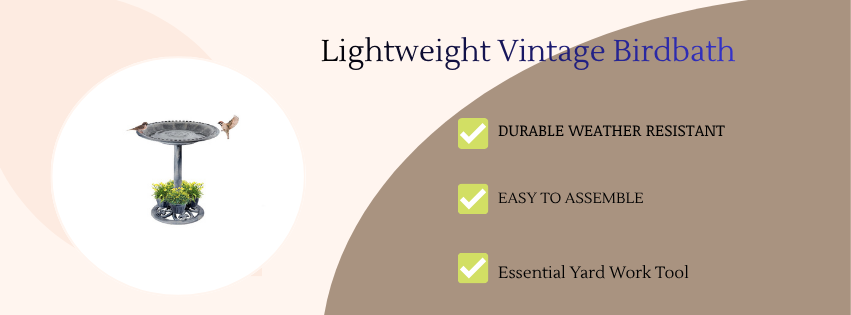
However, they present three structural challenges:
- Shallow depth (often 2–6 inches)
- No built-in drainage holes
- Limited soil volume
To succeed, you must work with shallow-rooted plants and engineer proper water exit points.
Let’s break it down step by step.
Quick Summary:
- Typical Depth: 2–6 inches
- Drainage: Drill ¼–½ inch holes or elevate inner liner
- Best Soil: Lightweight, high-drainage mix
- Ideal Plants: Succulents, moss, alyssum, hens-and-chicks
- Sun Exposure: South or east-facing preferred
- Watering: Every 3–7 days depending on climate
- USDA Zones: 3–11 (plant dependent)
Step 1: Evaluate Your Bird Bath Structure
Bird baths are usually made from:
- Concrete
- Resin
- Ceramic
- Metal
Each material impacts drainage and heat retention.
Concrete
- Durable
- Heavy
- Absorbs moisture
- Suitable for drilling
Resin
- Lightweight
- Easy to drill
- May warp in extreme heat
Ceramic
- Fragile
- Risky to drill
- Best used with insert method
Metal
- Heats quickly
- Not ideal for full-sun succulents in hot zones
Material influences plant selection and watering frequency.
Step 2: Add Drainage (Critical Step)
Without drainage, roots suffocate.
Option 1: Drill Drainage Holes (Best Method)
- Use masonry bit for concrete
- Drill 3–5 holes
- ¼–½ inch diameter
- Evenly spaced
This allows excess water to exit completely.
Option 2: Use a Hidden Nursery Pot Insert
If drilling isn’t possible:
- Place shallow plastic pot inside
- Drill holes in pot
- Elevate slightly using small stones
This allows water to drain into basin without flooding roots.
Avoid filling entire basin with gravel it creates a perched water table and worsens drainage.
Step 3: Choose the Right Soil Mix
Never use heavy garden soil.
Because bird baths are shallow, soil structure is everything.
Ideal Soil Composition for Most Plantings
- 40% compost
- 30% coco coir or peat moss
- 20% perlite or pumice
- 10% coarse sand
For succulents:
- 50% cactus mix
- 30% pumice
- 20% coarse sand
Why This Works
- Perlite increases oxygen
- Sand improves drainage
- Compost supplies nutrients
- Coir stabilizes moisture
Cost consideration:
Because volume is small, upgrading to premium mix ($20–25 per bag) is affordable and improves plant survival dramatically.
Best Small Bird Bath Planter Ideas That Actually Work
1. Succulent Mini Garden (Most Popular)
Best for:
- USDA Zones 8–11 outdoors year-round
- Cooler zones as seasonal display
Plants:
- Hens and chicks (Sempervivum)
- Sedum
- Echeveria
Light:
6+ hours direct sun (south-facing ideal).
Watering:
Every 7–14 days depending on heat.
Maintenance impact:
Low.
Why it works:
Succulents have shallow root systems and tolerate limited soil depth.
2. Moss and Shade Garden Bowl
Perfect for:
- North or east-facing patios
- USDA Zones 3–9
Plants:
- Sheet moss
- Small ferns
- Baby tears (Soleirolia)
Soil:
Higher compost content.
Watering:
Keep evenly moist but never soggy.
Maintenance:
Moderate requires moisture monitoring.
3. Cottage Flower Display
Use shallow-rooted annuals:
- Sweet alyssum
- Lobelia
- Dwarf pansies
- Violas
Soil depth:
Minimum 4–6 inches.
Sun:
East-facing or partial sun preferred.
Fertilize every 2 weeks with diluted liquid feed.
High visual payoff, higher maintenance.
4. Herb Accent Planter
Works best with:
- Thyme
- Chives
- Oregano
Minimum 5–6 inches soil depth required.
Full sun preferred (6 hours daily).
Avoid parsley or basil unless basin depth allows 6+ inches.
5. Rock and Succulent Desert Bowl
Add:
- Decorative gravel top-dressing
- Small stones for contrast
Benefits:
- Reduces evaporation
- Stabilizes soil
- Enhances visual texture
Use light-colored stones in hot climates to reduce heat buildup.
Sun Exposure and Placement Strategy
Understanding directional light prevents plant stress.
- South-facing: Best for succulents
- West-facing: Hot afternoon sun (monitor heat)
- East-facing: Ideal for flowers and herbs
- North-facing: Shade plants only
In USDA Zones 8–10, avoid metal basins in direct afternoon sun due to overheating risk.
Watering Strategy for Shallow Planters
Shallow soil dries quickly.
Typical schedule:
- Spring: Every 4–5 days
- Summer: Every 2–3 days (non-succulents)
- Fall: Weekly
Always check soil 1–2 inches deep before watering.
Signs of overwatering:
- Yellow leaves
- Mushy stems
- Mold growth
Signs of underwatering:
- Wilting
- Crispy leaf edges
- Soil pulling from edges
Because volume is small, overwatering is more common than underwatering.
Pest Prevention Basics
Common issues:
- Fungus gnats (overwatering)
- Aphids (flowers)
- Spider mites (dry climates)
Prevention:
- Ensure proper drainage
- Avoid soggy soil
- Use neem oil if needed
Healthy soil structure reduces pest pressure significantly.
Budget vs Premium Setup
Budget Setup
- Existing bird bath
- Basic potting soil
- Seasonal flowers
Cost: $30–60
Pros:
Affordable Quick setup
Cons:
Shorter plant lifespan More watering
Premium Setup
- Drilled drainage holes
- Premium soil mix
- Organic slow-release fertilizer
- Decorative stone top-dressing
Cost: $75–150
Pros:
Improved plant health Lower failure rate Better aesthetics
Cons:
Higher upfront investment
Premium setup reduces replanting costs long term.
Common Beginner Mistakes
- Not adding drainage holes
- Using heavy garden soil
- Overcrowding plants
- Ignoring sun direction
- Overwatering shallow cavities
Bird bath planters are shallow micro-environments. Precision matters.
FAQ
Can I turn any bird bath into a planter?
Yes, if you add proper drainage or use an insert system.
How deep does soil need to be?
Minimum 4 inches for flowers; 6 inches preferred for herbs.
Do bird bath planters need drainage holes?
Absolutely. Without drainage, root rot develops quickly.
Are succulents the best option?
Yes for shallow basins and sunny exposures.
How often should I water?
Every 2–5 days depending on plant type and climate.
Can I use it indoors?
Yes, but use a drainage tray and avoid overwatering.
Final Thoughts
Small bird bath planter ideas offer a creative way to repurpose decorative garden pieces into living focal points. But success depends on respecting root depth, drainage physics, and soil structure.
Drill proper drainage holes or use inserts. Choose shallow-rooted plants. Use lightweight, well-aerated soil. Position according to sun direction. Water thoughtfully not excessively.
When designed correctly, a small bird bath planter becomes a compact, elegant micro-garden that enhances patios, balconies, and entryways with minimal space and maximum charm.
Approach it like a miniature raised bed, and it will reward you with thriving plants season after season.
