Every product is independently reviewed and selected by our editors. If you buy something through our links, we may earn an affiliate commission at no extra cost to you.
A thriving railing planter should spill with color, soften hard lines, and hold up against wind, heat, and shallow soil. The reality? Many railing planters dry out quickly, become root-bound, or stop blooming by midsummer.
The solution isn’t more watering it’s choosing flowers adapted to shallow containers and exposed conditions, then building the right soil structure underneath them.
This guide covers the best flowers for railing planters based on sun direction, root depth, USDA zones, and real maintenance demands so your balcony or deck stays vibrant from spring through frost.
Introduction
Railing planters are one of the most challenging container environments. They’re elevated, wind-exposed, and typically only 6–8 inches deep. South- and west-facing railings reflect heat. North-facing railings struggle with low light. Beginners often plant thirsty bedding flowers in heavy garden soil and end up with constant wilting and poor blooms.
When you match flower selection to sun exposure and use a well-aerated container mix, railing planters become surprisingly productive and low stress.
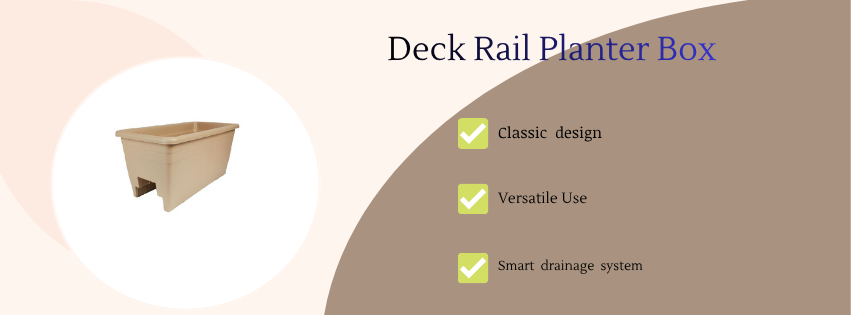
Below, you’ll find proven flower choices and the technical setup required to make them thrive.
Quick Summary
Minimum Soil Depth: 6–8 inches (8 inches preferred) Ideal Soil Mix: 50–60% quality potting mix + 20–30% compost + 10–20% perlite/pumice Drainage: Mandatory; never block holes Watering (Summer): 3–7 times weekly depending on exposure Best Exposure Overall: East-facing railings (morning sun, less heat stress)
Top Full Sun Flowers:
- Geraniums
- Calibrachoa
- Lantana
- Portulaca
- Verbena
Top Partial Sun Flowers:
- Petunias
- Bacopa
- Nasturtiums
- Diascia
- Pansies (cool seasons)
Top Shade Flowers:
- Impatiens
- Begonias
- Lobelia (cool climates)
- Coleus (foliage interest)
Why Railing Planters Require Specific Flower Choices
1. Shallow Root Zones
Most railing planters provide limited depth.
Why this matters: Deep-rooted flowers struggle in 6-inch containers. Shallow-rooted, compact varieties maintain stronger root-to-shoot balance and bloom more consistently.
2. Wind Exposure
Balconies and decks experience consistent airflow.
Impact:
- Faster soil drying
- Increased nutrient demand
- Risk of stem breakage
Compact or trailing plants perform better than tall, upright varieties.
3. Heat Reflection
Composite decking, metal rails, and siding reflect heat—especially on south- and west-facing exposures.
Root temperatures rise quickly in dark containers. Heat-tolerant flowers are essential in USDA zones 8–11.
Best Flowers for Full-Sun Railing Planters (6–8+ Hours Direct Sun)
1. Geraniums (Pelargonium)
One of the most dependable railing planter flowers.
Why they work:
- Thick stems resist wind damage
- Moderate drought tolerance
- Perform well in shallow containers
Planting tips:
- Space 6–8 inches apart
- Use slow-release fertilizer at planting
Watering: Allow top inch of soil to dry before watering.
USDA Zones: 9–11 perennial; annual elsewhere.
Maintenance level: Low to moderate.
2. Calibrachoa (Million Bells)
Ideal for cascading color.
Why it works:
- Compact root system
- Continuous blooming habit
- Excellent for 6–8 inch planters
Soil requirement: Slightly acidic (pH 5.5–6.2).
Feeding: Liquid fertilizer every 2 weeks.
Common mistake: Overwatering.
3. Lantana (Compact Varieties)
Heat-loving and drought tolerant.
Best for: Zones 8–11 (perennial); annual in cooler zones.
Why it works: Adapted to intense sun and dry soil.
Maintenance: Very low once established.
4. Portulaca (Moss Rose)
Excellent for hot, exposed railings.
Why it works:
- Succulent foliage stores moisture
- Thrives in lean, well-drained soil
Watering: Allow soil to dry between waterings.
Budget-friendly and highly resilient.
5. Trailing Verbena
Long blooming and pollinator-friendly.
Soil: Excellent drainage required.
Caution: Overwatering can cause mildew.
Best Flowers for Partial Sun (3–6 Hours Direct Light)
East-facing railings are ideal for these.
6. Petunias
Versatile and reliable.
Why they work: Adaptable to moderate light and shallow containers.
Maintenance: Heavy feeders fertilize biweekly.
7. Bacopa
Trailing white, pink, or lavender blooms.
Why it works: Prefers cooler temperatures and morning sun.
Watering: Do not allow soil to fully dry.
8. Nasturtiums
Ornamental and edible.
Why they work: Thrive in lean soil and shallow planters.
Important: Excess nitrogen reduces flowering.
Very affordable when grown from seed.
9. Diascia
Excellent for spring and mild climates.
Best for: Zones 5–9.
10. Pansies (Cool Seasons)
Ideal for early spring and fall.
Avoid planting in peak summer heat, especially in zones 7–11.
Best Flowers for Shade Railing Planters (North-Facing)
11. Impatiens
Reliable continuous blooms.
Watering: Frequent; they wilt quickly.
Soil: Moisture-retentive but well-draining.
12. Wax Begonias
Adaptable and low maintenance.
Light tolerance: Partial sun to shade.
13. Tuberous Begonias
Large blooms, best for protected balconies.
14. Lobelia (Cool Climates)
Trailing blue or purple flowers.
Struggles in extreme summer heat.
15. Coleus (Foliage Focus)
Provides bold color in low light.
Pinch regularly to prevent legginess.
Soil Setup for Blooming Success
Most railing planter failures stem from poor soil.
Ideal Container Mix
- 50–60% high-quality potting mix
- 20–30% compost
- 10–20% perlite or pumice
Why this works:
- Improves aeration
- Prevents root rot
- Balances drainage and moisture
Never use garden soil it compacts in containers.
Fertilization Strategy
Flowering annuals deplete nutrients quickly in shallow soil.
At Planting:
Incorporate slow-release granular fertilizer.
During Growing Season:
Apply liquid fertilizer every 2–3 weeks.
Reduce feeding in extreme heat to avoid stress.
Watering Guidelines
Railing planters dry out faster than ground containers.
General summer rule:
- Full sun: check daily
- Partial sun: 3–5 times weekly
- Shade: 2–4 times weekly
In USDA zones 9–11, expect near-daily watering in peak heat.
Self-watering railing planters reduce maintenance but are best for moisture-loving flowers not drought-tolerant species.
Common Beginner Mistakes
- Overcrowding plants.
- Ignoring sun direction.
- Using heavy garden soil.
- Choosing tall, top-heavy flowers in windy locations.
- Skipping fertilizer.
- Planting cool-season flowers in summer heat.
Budget vs Premium Setup
Budget Setup ($50–$150)
- Lightweight resin railing planters
- Standard potting mix
- Seasonal annuals
- Manual watering
Maintenance: Higher watering frequency.
Premium Setup ($250–$600+)
- UV-resistant resin or powder-coated metal planters
- Integrated self-watering system
- Drip irrigation kit
- Premium soil mix
Maintenance: Lower daily effort, longer planter lifespan.
FAQ
1. How many flowers fit in a 24-inch railing planter?
Typically 3–4 medium plants or 5–6 compact annuals. Avoid overcrowding for airflow.
2. How deep should railing planters be for flowers?
At least 6 inches; 8 inches provides better moisture stability.
3. What flowers last longest in full sun?
Geraniums, lantana, verbena, and portulaca are among the most heat-tolerant.
4. How often should I fertilize?
Every 2–3 weeks with liquid fertilizer for continuous bloomers.
5. Are self-watering railing planters worth it?
Yes for thirsty flowers like petunias and bacopa. Less necessary for drought-tolerant varieties.
6. What’s the easiest low-maintenance flower?
Geraniums and portulaca are very forgiving.
Final Thoughts
The best flowers for railing planters are those adapted to shallow soil, wind exposure, and reflective heat. Success starts with identifying your railing’s sun direction and choosing plants suited to that light level.
Use a well-draining soil mix. Fertilize consistently. Water strategically. Avoid overcrowding.
When set up correctly, railing planters deliver continuous color, pollinator activity, and curb appeal all from a narrow strip of vertical space.
Start with a simple combination one upright flower, one trailing bloomer, and one filler and refine from there. With the right choices, your railing can bloom beautifully from spring through frost.
