Every product is independently reviewed and selected by our editors. If you buy something through our links, we may earn an affiliate commission at no extra cost to you.
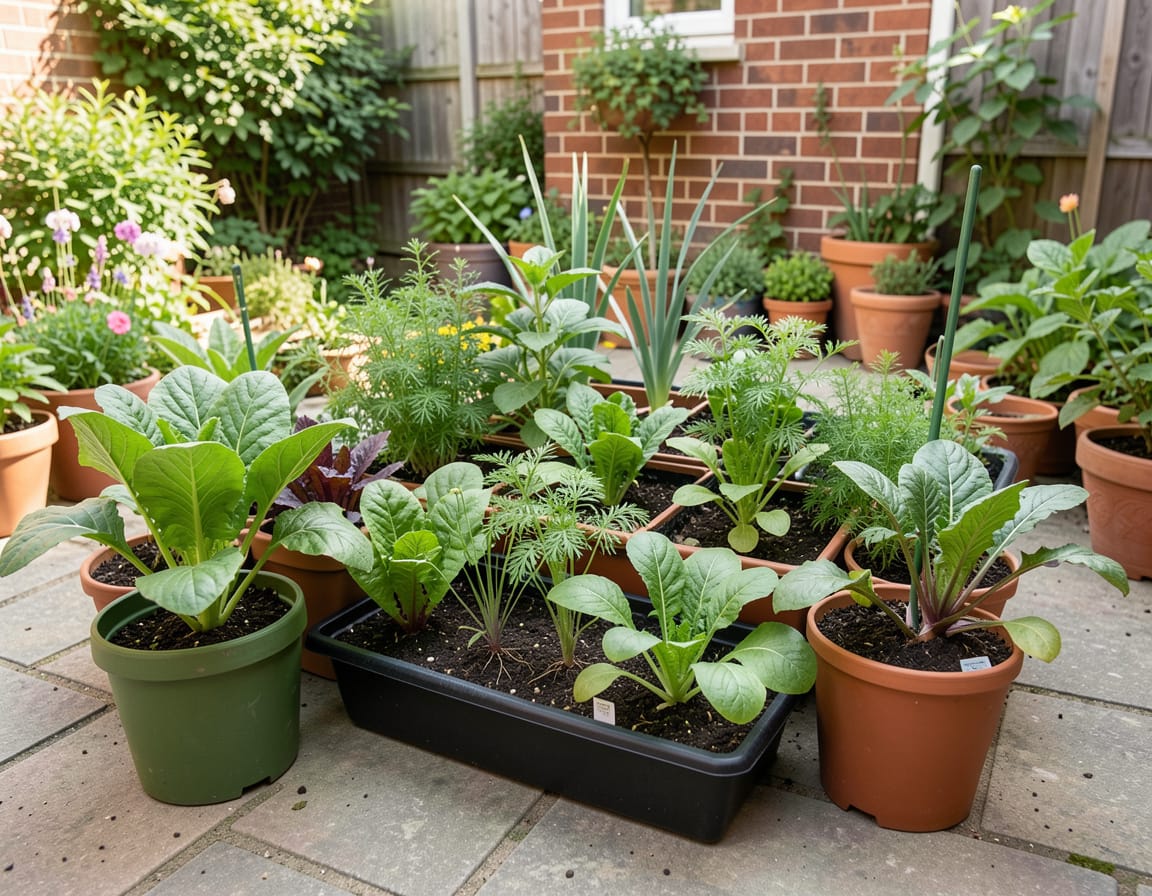
You can grow a surprising number of vegetables on a patio even if you’re working with limited sunlight or space. In my years helping U.S. homeowners and renters turn small outdoor areas into productive organic gardens, I’ve found that success comes down to three key factors: container choice, microclimate awareness, and consistent organic care.
Here’s how I approach patio vegetable gardening in real American homes:
Best Vegetables for a Sunny Patio (6+ hours of direct sun)
If your patio faces south or west and gets good sunlight, you can treat it almost like a raised bed garden.
Top picks:
- Tomatoes (cherry or patio varieties): Compact and productive. I recommend using a 5-gallon fabric pot with organic potting mix enriched with compost and worm castings.
- Peppers (sweet or hot): Thrive in warm pots. Choose dwarf or “patio” types like Lunchbox or Jalapeño Early.
- Bush beans: Great for containers and easy to succession-plant.
- Zucchini or summer squash (mini varieties): One plant per large container (at least 7 gallons).
- Cucumbers (bush types): Train them up a trellis or railing to save space.
Pro tip: In real patio setups, I often place these sun-loving plants near reflective surfaces (like light walls or stone) to boost light exposure and warmth.
Best Vegetables for Partial Shade Patios (3–5 hours of sun)
Many renters have patios shaded by trees or neighboring buildings. You can still grow nutrient-rich greens and root crops.
Top picks:
- Lettuce and mixed salad greens: Grow quickly and don’t need full sun.
- Spinach and Swiss chard: Tolerate shade better than most vegetables.
- Radishes: Grow fast and can share containers with herbs.
- Carrots (short varieties like Parisian or Little Finger): Do well in deep pots with loose soil.
- Peas: Climbing types can use railing trellises for vertical growth.
Pro tip: In shaded patios, use light-colored containers to prevent soil from staying too cold and damp.
Compact & Container-Friendly Vegetables
When space is tight, go for varieties bred for containers. Look for labels like “patio,” “bush,” “compact,” or “balcony.”
Examples that thrive in 5-gallon pots or smaller:
- Mini bell peppers
- Dwarf kale or collards
- Cherry tomatoes
- Baby eggplant (Hansel or Patio Baby)
- Green onions and herbs (basil, parsley, cilantro)
My Recommended Setup for a Healthy Patio Garden
| Item | Why It’s Used | Organic Benefits | Sustainability Notes |
| Fabric grow bags | Promote air pruning and prevent root rot | Made from recycled materials; reusable | Allow excess water to drain easily |
| Organic potting mix with compost | Light texture for container roots | Chemical-free nutrients | Compostable and renewable inputs |
| Mulch (cocoa hulls, straw, or bark chips) | Retains moisture and moderates soil temp | Reduces watering frequency | Biodegradable |
| Drip irrigation or self-watering trays | Ensures even watering | Prevents fungal disease from splash | Conserves water |
| Organic fish emulsion or kelp fertilizer | Boosts growth naturally | Nourishes soil microbes | Renewable marine resource |
Seasonal Care Routine
- Spring: Start greens, peas, and early root crops. Begin hardening off seedlings in late March or April (depending on your zone).
- Summer: Switch to fruiting plants like tomatoes, peppers, and beans. Fertilize lightly every two to three weeks.
- Fall: Replant cool-weather crops spinach, kale, and radish. Move containers closer to walls for warmth.
- Winter (in mild zones or with protection): Grow herbs like parsley and chives, or cover pots with frost cloth.
Sustainability & Maintenance Tips
- Reuse containers each season after disinfecting with a mild vinegar-water solution.
- Compost spent plants instead of sending them to the trash.
- Harvest frequently to encourage continual growth.
- Rotate crops in containers yearly to prevent soil fatigue.
- Use rainwater or collected runoff to minimize municipal water use.
Common Mistakes to Avoid
- Using garden soil in containers: It compacts too much and limits drainage.
- Overwatering: Containers dry quickly, but soggy roots are more common than you’d think. Water only when the top inch feels dry.
- Ignoring light patterns: Even two hours’ difference in sunlight can affect yield. Track your patio’s light before planting.
- Crowding plants: One tomato per large pot is plenty. Air circulation matters for disease prevention.
Real U.S. Context
- Apartments & rentals: Use movable planters and rolling trays. This keeps patios landlord-friendly and allows you to chase sunlight.
- Suburban homes: Combine patio containers with raised beds or hanging baskets for layered productivity.
- Urban balconies: Compact crops like herbs, radishes, and dwarf peppers thrive even with limited light if you supplement with a small grow light.
Expert Extras
- Use vertical space: Add shelves or trellises for climbing beans or cucumbers.
- Grow companion herbs: Basil near tomatoes, mint in its own pot (it spreads).
- Feed soil, not the plants: Focus on long-term fertility with compost teas rather than quick chemical fixes.
- Keep pollinators coming: Even on patios, small pots of lavender or marigold attract bees and support better yields.
FAQ: Patio Vegetable Gardening
Q1: What are the easiest vegetables to grow on a patio? Cherry tomatoes, lettuce, radishes, bush beans, and peppers are reliable starters. They adapt well to containers and don’t require complex soil preparation.
Q2: How much sunlight do patio vegetables need? Most fruiting vegetables need at least 6 hours of direct sun. Leafy greens and herbs can manage with 3–5 hours.
Q3: Can I grow organic vegetables on a patio? Yes use organic potting soil, compost, and natural fertilizers like fish emulsion or seaweed extract. Avoid synthetic pesticides and feed the soil ecosystem.
Q4: How often should I water patio vegetables? In warm weather, likely every 1–2 days depending on pot size and material. Always check soil moisture before watering.
Q5: How do I improve patio soil over time? Add compost between plantings, mix in worm castings, and avoid salt-based fertilizers. Over a few seasons, your potting mix becomes more nutrient-rich and self-sustaining.
Q6: Can I grow vegetables on a shaded patio? Yes, stick with shade-tolerant crops like lettuce, spinach, and herbs such as parsley and mint.
Final Thought
A well-planned patio vegetable garden can be just as productive and satisfying as a backyard one. With smart container choices, organic materials, and mindful watering, you can grow a steady supply of fresh, chemical-free produce in even the smallest outdoor space. Start with easy, compact crops, learn how your patio responds to the seasons, and build from there every pot of homegrown greens adds beauty, nourishment, and sustainability to your living space.
