Every product is independently reviewed and selected by our editors. If you buy something through our links, we may earn an affiliate commission at no extra cost to you.
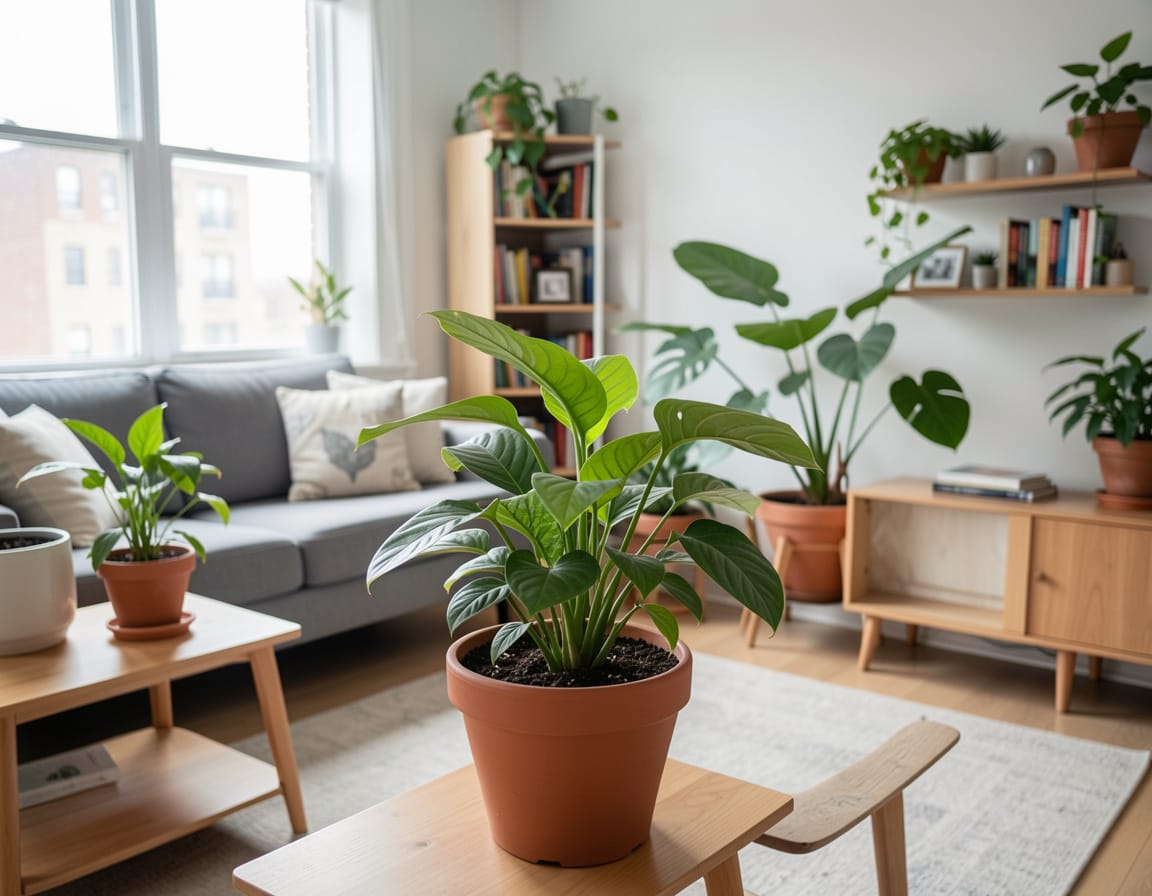
Choosing the best plant to grow in an apartment can transform your living space into a calm, healthy retreat. From low-light survivors to compact air-purifying greens, the right indoor plant fits your lifestyle, boosts mood, and thrives with minimal care perfect for modern apartment living.The best plant to grow in an apartment depends on your light conditions, time for care, and indoor air quality goals, but there are a handful of plants that consistently thrive in small, enclosed spaces with minimal fuss and they do it organically, without synthetic fertilizers or sprays.
Below is a professional, experience-based breakdown to help you choose the right plant for an apartment in the U.S., whether your windows face north in Seattle or south in Miami.
Quick Answer: My Top Five “Best Apartment Plants”
| Plant | Why It’s Ideal | Light | Water | Organic Living Tip |
| Snake Plant (Sansevieria / Dracaena trifasciata) | Extremely tolerant of low light, improves air quality | Low to medium | Every 2–3 weeks | Wipe leaves with damp cloth to remove dust; no chemical leaf shine |
| ZZ Plant (Zamioculcas zamiifolia) | Withstands low light and neglect | Low to medium | Every 2–3 weeks | Use well-draining organic potting mix |
| Pothos (Epipremnum aureum) | Fast-growing trailing vine, great for shelves | Medium to bright indirect | Weekly | Root cuttings in water for free new plants |
| Spider Plant (Chlorophytum comosum) | Air-purifying, thrives in indirect light | Bright indirect | Weekly | Compost baby offshoots or replant them |
| Peace Lily (Spathiphyllum) | Glossy leaves, occasional white blooms | Low to medium | Weekly | Naturally filters indoor air; avoid overwatering |
If you want to start with one plant that almost never fails: The snake plant is your best all-around choice for apartments, including those with low light or inconsistent care routines.
Matching Plants to Apartment Conditions
Low-Light Apartments (North-Facing Windows)
- Best plants: Snake plant, ZZ plant, pothos, peace lily.
- Tip: Choose lighter-colored pots to reflect available light and rotate plants every few weeks.
Bright Apartments (South or West Windows)
- Best plants: Succulents, jade plant, aloe vera, string of pearls.
- Tip: Use sheer curtains to diffuse harsh afternoon sunlight.
Humid Apartments (Bathrooms or Kitchens)
- Best plants: Ferns (Boston or bird’s nest), pothos, peace lily.
- Tip: These love steam and filtered moisture perfect near a shower window or sink.
Dry Air (Heated or Air-Conditioned Spaces)
- Best plants: ZZ plant, snake plant, rubber plant (Ficus elastica).
- Tip: Group pots together or place on pebble trays to increase humidity naturally.
Apartment Gardening Goals and Plant Recommendations
| Goal | Best Plant Choices | Why |
| Low maintenance | Snake Plant, ZZ Plant | They tolerate neglect and dry conditions |
| Air purification | Peace Lily, Spider Plant, Rubber Plant | Help remove indoor VOCs naturally |
| Cooking herbs | Basil, Mint, Chives (on a sunny sill) | Fresh flavor and easy indoor upkeep |
| Aesthetic greenery | Pothos, Monstera, Ferns | Add lush texture and visual softness |
| Pet-friendly | Areca Palm, Parlor Palm, Calathea | Non-toxic and safe for households with pets |
Sustainable Apartment Growing Tips
These small changes make a big difference for healthy, toxin-free indoor plants:
- Use organic potting mix. Look for peat-free blends made from compost, coconut coir, and bark fines.
- Avoid synthetic fertilizers. A monthly watering with diluted compost tea or worm castings supports steady growth.
- Water wisely. Always let the top inch of soil dry before watering. Overwatering is the most common cause of decline in apartments.
- Dust regularly. Apartment air can be stagnant wipe leaves with a damp cotton cloth to keep pores open for photosynthesis.
- Natural pest control. If fungus gnats or aphids appear, a light neem oil spray (1 tsp per liter of water + drop of mild soap) once every few weeks keeps them in check.
Small-Space Container Advice
- Drainage first: Always use pots with drainage holes even if you have to set them inside decorative outer cachepots.
- Lightweight materials: Choose terracotta, bamboo fiber, or recycled plastic pots for easy mobility.
- Vertical gardening: If floor space is limited, hang pothos, philodendrons, or trailing hoyas from ceiling hooks or shelves.
- Cluster plants: Grouping several small pots creates a mini “green zone” that maintains local humidity especially useful near heaters or AC vents.
Personal Experience Insight
When I help renters set up organic indoor gardens, I often start with one resilient plant (like a ZZ or snake plant) and a compact herb container near the kitchen window. This combination introduces greenery and purpose: one improves air quality, the other enhances cooking.
Once you’ve kept those thriving for a few months, you can expand to ferns, pothos walls, or even compact hydroponic systems for greens but starting simple gives you confidence and success right away.
Quick Summary
| Apartment Type | Best Plant | Why |
| Low-light studio | Snake Plant | Tough, architectural, forgiving |
| Bright loft | Aloe Vera | Loves sun, adds sculptural form |
| Humid bathroom | Boston Fern | Lush, thrives in moisture |
| Small kitchen | Potted Basil | Practical and fragrant |
| Pet-friendly home | Parlor Palm | Gentle, safe greenery |
Final Thoughts
The best plant to grow in an apartment is one that matches your light, schedule, and space not the latest social media trend. Start with one adaptable, organic-friendly plant (like a snake plant, pothos, or ZZ plant), learn its rhythm, and let your collection grow naturally from there.
In every apartment I’ve worked with, a few well-placed, healthy plants make the space instantly calmer, fresher, and more personal than any synthetic décor ever could.
