Every product is independently reviewed and selected by our editors. If you buy something through our links, we may earn an affiliate commission at no extra cost to you.
Great question and one that comes up often when I’m helping homeowners or event hosts choose the right organic centerpiece style for their table or space.
When people say “six types of centerpieces,” they’re usually referring to the main design categories used in décor and floral design not just for weddings, but also for everyday home styling. Understanding these helps you choose the right scale, shape, and materials for your dining table, console, or coffee table.
Here’s a professional breakdown, with notes on how to interpret each style organically and sustainably.
Floral Centerpieces
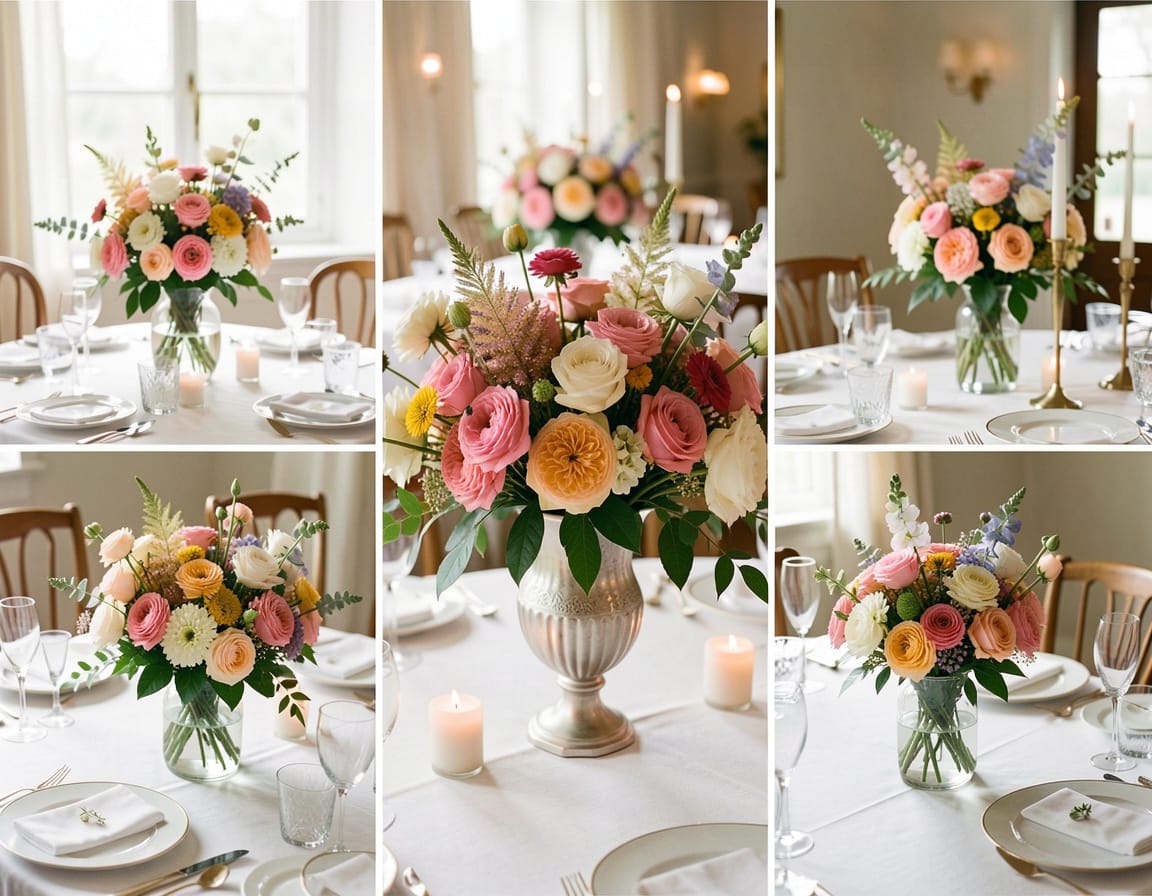
Definition: The classic arrangement of cut flowers in a vase, bowl, or basket. Best for: Dining tables, coffee tables, kitchen islands. Organic approach:
- Use seasonal, locally grown flowers tulips, dahlias, hydrangeas, or whatever’s in season.
- Skip floral foam; use chicken wire, a flower frog, or simply crisscross stems in the vase.
- Add herbs or foraged greenery for a natural texture. Pro tip: Keep it low enough that guests can see across the table about 10–12 inches tall.
Candle Centerpieces
Definition: An arrangement built around candles taper, pillar, or votive often surrounded by smaller accents. Best for: Dining tables and evening gatherings. Organic approach:
- Use beeswax or soy candles instead of paraffin (petroleum-based).
- Combine with natural materials: eucalyptus sprigs, pinecones, dried flowers, or stones.
- Choose simple, non-scented candles for meals so they don’t compete with food aromas. Pro tip: For safety, always anchor candles securely and keep flames well above any foliage.
Greenery or Botanical Centerpieces
Definition: Arrangements that rely more on leaves, branches, and plants than flowers. Best for: Everyday table styling or minimalist, modern homes. Organic approach:
- Use potted herbs (rosemary, thyme, basil) or cut foliage like ferns, olive branches, or magnolia leaves.
- Focus on varied textures and shades of green.
- Combine with a natural base like a wooden tray, ceramic dish, or stone bowl. Pro tip: Rotate potted herbs afterward to a sunny windowsill fully reusable and zero waste.
Fruit or Produce Centerpieces
Definition: Displays of fresh fruit, vegetables, or even edible flowers often in a bowl or on a tray. Best for: Seasonal or kitchen-themed décor, especially in organic homes. Organic approach:
- Use seasonal produce (like lemons and artichokes in spring, apples and pears in fall).
- Add greenery or small blossoms for color contrast.
- Compost or eat the fruit afterward nothing wasted. Pro tip: A wood or ceramic bowl keeps it rustic; a shallow metal tray feels more modern.
Themed or Decorative Object Centerpieces
Definition: A collected grouping of non-living objects that reflect a theme or personal aesthetic for example, shells, stones, or vintage bottles. Best for: Coffee tables, console tables, entryways. Organic approach:
- Choose natural materials wood, clay, glass, or stone over plastic or resin.
- Limit the palette to a few complementary tones.
- Add a living element like moss or a small air plant for a touch of life. Pro tip: Group items in odd numbers (3s or 5s) for visual balance.
Floating or Water-Based Centerpieces
Definition: Elements (flowers, candles, petals, or greenery) displayed in water bowls, vases, or shallow dishes. Best for: Elegant dining, spa-like bathrooms, patios. Organic approach:
- Use unsprayed flower heads or petals that float naturally, like garden roses or camellias.
- Add herbs (mint, rosemary) or citrus slices for scent.
- Avoid synthetic glitter or dyes; clear water and natural elements are most striking. Pro tip: Change the water daily to keep the arrangement fresh and bacteria-free.
Bonus: Mixed or Layered Centerpieces
Many modern organic homes combine two or more of these for example, a potted herb centerpiece with beeswax candles or a floral-and-fruit combination. Mixing textures (living + decorative) gives an effortless, natural feel.
Quick Reference Summary
| Type | Key Material | Best Location | Organic Tip |
| Floral | Fresh flowers | Dining table | Use local, seasonal blooms |
| Candle | Beeswax or soy candles | Dining or console | Keep flame above foliage |
| Greenery/Botanical | Foliage, herbs, branches | Everyday table | Reuse plants after display |
| Fruit/Produce | Edible seasonal items | Kitchen table | Compost or eat after use |
| Themed/Decorative | Natural objects | Coffee or entry table | Stick to organic materials |
| Floating/Water | Flowers or petals in water | Dining or bath | Change water daily |
Final Thoughts
The best centerpiece isn’t about decorating for show it’s about creating a living connection to the season, your space, and natural materials. In my experience designing organic homes, a simple arrangement of local flowers, herbs, or fruit often feels more authentic and grounding than anything ornate.
When you keep your centerpiece seasonal, sustainable, and scaled to your table, it becomes part of daily life not just decoration.
