Every product is independently reviewed and selected by our editors. If you buy something through our links, we may earn an affiliate commission at no extra cost to you.
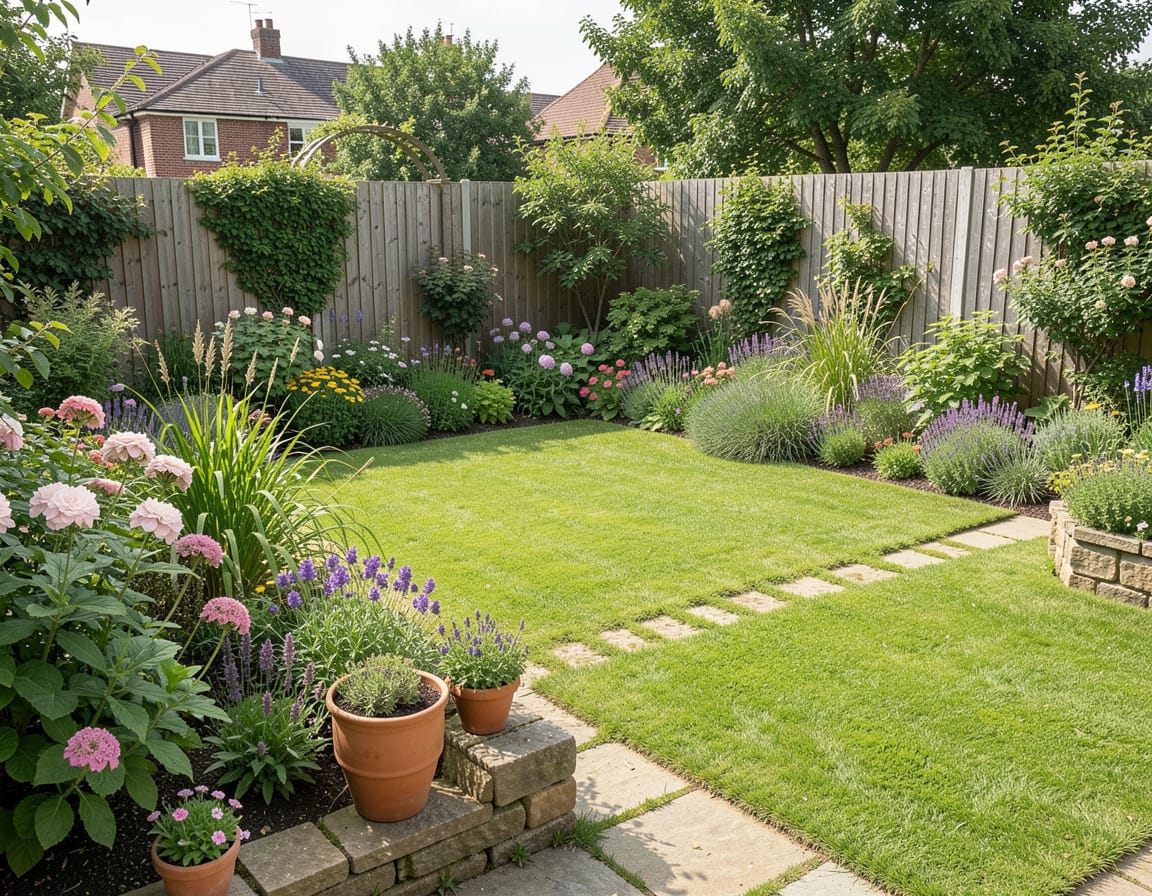
Designing a square garden is one of the most versatile and satisfying projects you can take on especially for small urban backyards, suburban side lots, or even rental homes with limited space. Square gardens provide balance, clarity, and efficiency and when designed organically using natural materials and sustainable planting principles, they can become both a functional and restorative outdoor retreat.
Below I’ll walk you through the full design process, step-by-step, based on real-world experience helping U.S. homeowners and renters plan and maintain square gardens that are beautiful, low-maintenance, and environmentally sound.
1. Start with a Purpose and a Plan
Before you pick plants or materials, define what the square garden is for. In real projects, I always start with three guiding questions:
- How do you want to use the space? A quiet meditation spot, an herb kitchen garden, a pollinator-friendly flower bed, or a mix of all three?
- How much time can you realistically maintain it? A 10’x10’ edible garden, for example, needs about 30–45 minutes per week for watering, pruning, and harvesting.
- What’s your local light and climate situation? A sunny California backyard supports Mediterranean herbs; a shaded New England corner suits ferns, hostas, and mosses.
Once you have clear goals, sketch your square layout on graph paper or a free garden planning app. Even a rough hand-drawn diagram helps you visualize spacing and balance.
2. Understand the Benefits of a Square Garden Layout
A square shape works especially well for organic garden design because:
- It’s easy to subdivide: You can divide your square into four equal quadrants or a central focal point with pathways.
- It maximizes accessibility: Everything is within reach without compacting soil.
- It creates visual harmony: The symmetry is naturally calming and works in both formal and relaxed styles.
- It fits in tight areas: You can tuck a 4’x4’ raised bed, patio, or planter grid into even the smallest backyard.
3. Choose a Design Style
Here are three square garden styles that work beautifully in American homes:
a. Classic Quadrant Garden
Divide your square into four smaller beds with crossing pathways. Ideal for herbs, vegetables, or a kitchen garden.
- Center: a small birdbath, sundial, or solar lantern
- Pathways: gravel, brick, or reclaimed pavers
- Edges: low boxwood, lavender, or native grasses
b. Natural Meadow Square
Use the square outline but fill it with native wildflowers and pollinator plants.
- Earth-toned wood or stone borders
- Mix of textures and heights coneflowers, black-eyed Susans, ornamental grasses
- Great for Midwest or Northeast climates
c. Modern Minimalist Square
A simple grid of square or rectangular planters with clean lines.
- Recycled steel or cedar boxes
- Focus on foliage contrast ferns, sedges, and succulents
- Ideal for patios or rooftops
4. Organic Materials and Sustainable Features
When designing sustainable outdoor spaces, materials matter as much as layout. Here’s a breakdown of what I often specify for clients:
| Material / Item | Why It’s Used | Organic / Health Benefit | Sustainability Consideration |
| Untreated cedar or redwood | Raised bed frames | Naturally rot-resistant, no chemicals | Responsibly harvested from certified sources |
| Crushed gravel or decomposed granite | Pathways and drainage | Improves water infiltration | Long lifespan, minimal waste |
| Compost-rich soil mix | Planting medium | Boosts nutrient density, supports soil microbiome | Reduces need for fertilizer |
| Drip irrigation or soaker hoses | Watering system | Prevents mold and fungal issues | Conserves water |
| Native plants | Pollinator and soil health | Adapted to local conditions | Reduces maintenance and chemical inputs |
| Rain barrel or water butt | Water collection | Keeps chlorine out of soil | Uses free rainwater |
5. Practical Layout Example: 10’x10’ Square Garden
Here’s a classic layout I often recommend for homeowners:
- Outer border (1 ft wide): Low-growing herbs like thyme or chamomile
- Inner quadrants (4 equal 4’x4’ beds):
- Bed 1: Leafy greens (kale, lettuce, chard)
- Bed 2: Root crops (carrots, beets, radish)
- Bed 3: Herbs (basil, parsley, cilantro)
- Bed 4: Flowers for pollinators (marigold, zinnia, calendula)
- Center feature: Terracotta pot with rosemary or a birdbath
- Pathways: 12-inch gravel or mulch walkways between beds
This setup promotes crop rotation and easy access for maintenance.
6. Seasonal Adjustments and Refreshing Your Square Garden
Every spring and fall, take a few hours for what I call the organic reset:
- Replenish compost: Add 1–2 inches of fresh compost before replanting.
- Top up mulch: Maintain a 2–3 inch layer to retain moisture.
- Rotate crops: Don’t plant the same family in the same bed two seasons in a row to prevent pest buildup.
- Inspect wood or stone edges: Make small repairs before winter to extend their life.
- Add new native perennials: Gradually replace annuals with low-maintenance native species.
7. Preventing Common Problems
- Overcrowding: Plants need airflow. Follow spacing guidelines on seed packets.
- Poor drainage: Always elevate beds slightly above surrounding ground level.
- Synthetic materials: Avoid pressure-treated lumber or dyed mulch both can leach toxins.
- Inefficient watering: Drip irrigation delivers water directly to roots with minimal waste.
8. Adapting for Different U.S. Living Situations
- Apartments or rentals: Use modular raised beds or large square planters on patios; line bottoms with landscape fabric for easy relocation.
- Urban backyards: Add vertical trellises on one side for beans, tomatoes, or decorative vines.
- Suburban homes: Integrate the square garden into the landscape soften edges with native shrubs.
- Dry climates (Southwest): Choose drought-tolerant herbs and succulents; replace mulch with gravel.
- Humid regions (Southeast): Prioritize airflow with wider pathways and resistant plant varieties.
9. Expert-Level Enhancements
Over the years, I’ve found these small upgrades can make a big difference:
- Use reclaimed wood or stone: Adds texture and authenticity while reducing environmental impact.
- Install a simple drip timer: Automates watering and saves about 50% water compared to hand-watering.
- Interplant flowers and herbs: Marigolds deter pests naturally.
- Add night lighting: Solar stake lights enhance usability and safety.
- Create a seating nook: A small bench in one corner transforms it into an outdoor room.
10. Common Mistakes to Avoid
- Ignoring sunlight patterns: A square garden in full shade will need shade-tolerant species.
- Uneven soil quality: Always mix compost uniformly before planting.
- Buying “eco” labels without proof: Look for FSC, Rainforest Alliance, or OMRI certifications.
- Skipping pathways: Without defined paths, soil compaction happens fast.
- Too many perennials in one bed: They can crowd out annual crops.
11. Maintenance and Care Routine
A healthy square garden thrives on small, consistent habits:
Weekly:
- Water deeply once or twice depending on rainfall.
- Inspect leaves for pests or disease.
- Harvest regularly; it encourages more growth.
Monthly:
- Top-dress with compost or worm castings.
- Check irrigation hoses and mulch depth.
- Prune or deadhead flowering plants.
Seasonally:
- Rotate crops and adjust soil nutrients.
- Re-oil wooden borders with organic linseed oil.
- Refresh gravel or mulch paths.
FAQs About Designing a Square Garden
Q1: What’s the easiest way to start a square garden? Start small a 4’x4’ raised bed is manageable and teaches you spacing, soil prep, and watering rhythm before expanding.
Q2: How deep should my beds be? For most vegetables and herbs, 10–12 inches is ideal. Root crops like carrots may prefer 14–18 inches.
Q3: Can I design a square garden without digging up my yard? Yes. Build a raised bed directly on sod by layering cardboard, compost, and organic soil the grass will decompose naturally.
Q4: What plants look best in a symmetrical layout? Lavender, boxwood, dwarf basil, and ornamental grasses all hold form well in a geometric design.
Q5: How do I keep a square garden organic? Use untreated wood, organic compost, natural pest controls (like neem oil or insecticidal soap), and rotate crops to maintain soil health.
Q6: Can a square garden work in partial shade? Absolutely. Choose shade-tolerant crops like spinach, lettuce, parsley, and chives. You’ll just harvest a bit slower.
Q7: How long will it take to set up? A simple 4-bed square garden can be built and planted in a weekend with basic tools and materials.
Final Thoughts
A well-designed square garden combines geometry with organic function it’s both orderly and alive. Whether you’re carving out a 10-foot plot in a suburban yard or setting square planters on an apartment patio, the key is balance, soil health, and sustainability.
In my experience, homeowners who start small and build their square gardens organically layer by layer, season by season end up with spaces that feel deeply personal and endlessly productive. It’s not about perfection; it’s about creating a living, breathing corner of nature that grows with you.
