Every product is independently reviewed and selected by our editors. If you buy something through our links, we may earn an affiliate commission at no extra cost to you.
A pool should feel like a private resort not a maintenance nightmare. The wrong plants can drop leaves daily, clog filters, stain concrete, attract bees, or send aggressive roots under your decking. The right plants create privacy, movement, and structure without constant cleanup. Choosing wisely makes the difference between relaxing weekends and weekly frustration.
If you’ve ever spent more time skimming leaves than swimming, you already understand the problem. Many homeowners plant around pools based on appearance alone, only to regret messy foliage, invasive roots, or high water needs.
This guide gives you a horticulture-backed strategy for selecting low-maintenance plants around a pool that:
- Minimize debris
- Tolerate reflected heat
- Survive chlorine splash
- Require minimal pruning
- Protect your hardscape
You’ll learn exactly which plants work, why they work, and how to install them correctly for long-term success.
Quick Summary Box
- Choose plants with low litter drop and non-invasive roots
- Prioritize drought-tolerant species
- Use well-draining soil to prevent rot
- Maintain 3–5 ft clearance from pool edge
- Avoid thorny, fruiting, or heavy-shedding trees
- Install root barriers when planting larger shrubs
- Use drip irrigation for efficiency
- Select plants suited to your USDA zone
What Makes a Plant Truly Low-Maintenance Around a Pool
Not all “easy-care” plants work poolside. Pools create a unique microclimate.
Why Pools Create Harsh Conditions
- Reflected sunlight increases leaf burn
- Concrete radiates heat
- Chlorinated splash alters soil chemistry
- Wind funnels debris into water
- Roots seek moisture beneath decking
Plants must tolerate heat, drought, chemical exposure, and limited soil volume.
Best Low-Maintenance Plants Around Pool Areas
Below are expert-recommended plants that consistently perform well in residential pool landscapes.
1. Agave (Agave spp.)
USDA Zones: 8–11 Sun: Full sun (south or west exposure ideal) Water: Every 2–3 weeks once established Soil: Sandy or cactus mix, pH 6.0–7.5 Root Depth: 12–18 inches
Why It Works
Agave stores water in thick leaves, making it extremely drought-tolerant. It sheds almost nothing no constant leaf drop.
How to Implement
- Plant 3–4 ft from pool edge.
- Use raised gravel beds for drainage.
- Amend soil with 50% coarse sand or decomposed granite.
Cost Consideration
Mid-range. Larger specimen plants cost more but reduce long-term replacement expenses.
Maintenance Impact
Very low. Remove dead leaves annually. Avoid overwatering (common beginner mistake).
Caution: Avoid placing near high-traffic areas due to sharp leaf tips.
2. Dwarf Olive Trees (Olea europaea ‘Little Ollie’)
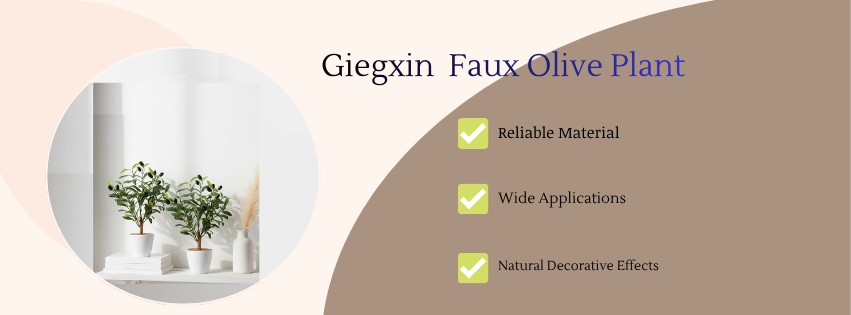
Zones: 8–11 Sun: Full sun Water: Weekly first year, then biweekly Soil: Well-draining loam Root Depth: 24–36 inches
Why It Works
Non-fruiting dwarf varieties eliminate messy olives while providing Mediterranean character.
How to Implement
- Use root barriers near decking.
- Plant at least 5 ft from pool structure.
- Incorporate 30% compost for root establishment.
Cost Impact
Higher upfront cost but extremely durable long-term.
Maintenance
Light pruning once annually. Minimal leaf drop compared to other trees.
3. Ornamental Grasses (Muhlenbergia, Blue Fescue)
Zones: 5–10 (varies by species) Sun: Full sun Water: Weekly during establishment Soil: Fast-draining
Why It Works
Fine-textured foliage rarely clogs filters. Adds movement without heavy debris.
Installation Tip
Space 18–24 inches apart for airflow. Avoid overly rich soil to prevent flopping.
Maintenance
Cut back once yearly. Low pest issues.
4. Bird of Paradise (Strelitzia reginae)
Zones: 9–11 Sun: Full sun to partial (south-facing ideal) Water: Weekly in summer Soil: Loamy, well-drained
Why It Works
Large leaves create tropical impact with moderate litter.
Beginner Mistake
Planting too close — mature width can reach 4–6 ft.
Maintenance
Remove spent leaves quarterly. Moderate care level.
5. Boxwood (Buxus spp.)
Zones: 5–9 Sun: Partial to full sun Water: Weekly during dry spells Soil: Well-drained, slightly alkaline
Why It Works
Dense evergreen foliage with minimal drop.
Implementation
Use as structured hedge 3 ft from pool. Container depth: minimum 16–18 inches if potting.
Maintenance
Light trimming twice yearly.
6. Lavender (Lavandula angustifolia)
Zones: 5–9 Sun: Full sun Water: Every 10–14 days Soil: Sandy, fast-draining
Why It Works
Heat tolerant and fragrant. Handles reflected sunlight well.
Critical Tip
Never plant in heavy clay. Roots rot quickly.
Cost
Affordable and widely available.
7. Succulent Groundcovers (Sedum, Echeveria)
Zones: 4–11 depending on variety Soil: Cactus mix Water: Minimal
Excellent for rock beds around pool edges. Very low debris production.
Plants to Avoid Around Pools
- Fruit trees (mess + insects)
- Deciduous trees (heavy leaf drop)
- Bamboo (invasive roots)
- Roses (thorns + aphids)
- Sweetgum trees (spiky seed pods)
These create ongoing cleanup costs and structural risk.
Soil Preparation for Poolside Beds
Why Drainage Is Critical
Pool decks prevent natural water runoff. Poor drainage causes root rot quickly.
Ideal Soil Mix
- 40% native soil
- 30% compost
- 30% coarse sand or pumice
Raised beds (10–18 inches deep) improve performance significantly.
Container Planting Around Pools
Containers are ideal for small spaces.
Minimum Depth Guidelines
- Small shrubs: 16–18 inches
- Dwarf trees: 20–24 inches
- Succulents: 8–12 inches
Choose planters with large drainage holes. Fiberglass or resin planters resist cracking.
Self-watering planters reduce watering frequency but must include overflow drainage.
Irrigation Strategy for Low Maintenance
Drip irrigation is best.
Why It Works
- Targets root zone
- Reduces evaporation
- Prevents splash on foliage
Water deeply but infrequently. Overwatering is the most common mistake.
Budget option: Basic drip kit. Premium option: Smart irrigation controller with moisture sensors.
Pest Prevention Basics
Pools reduce some pests but landscaping can invite others.
Preventative tips:
- Avoid over-fertilizing (attracts aphids)
- Maintain airflow
- Remove dead foliage promptly
- Use neem oil if needed
Budget vs Premium Pool Landscaping Setup
Budget Approach
- Gravel mulch
- Native drought plants
- Basic drip kit
- Plastic nursery containers
Lower upfront cost, moderate longevity.
Premium Setup
- Custom raised beds
- Decorative stone mulch
- Large specimen plants
- Automated irrigation
- High-end planters
Higher initial cost, lowest long-term maintenance.
Common Beginner Mistakes
- Planting too close to pool
- Ignoring mature size
- Choosing messy flowering trees
- Overwatering succulents
- Skipping soil preparation
Correct planning saves thousands in future repairs.
FAQ
What are the best plants to put around a swimming pool?
Drought-tolerant, low-litter plants like agave, dwarf olive trees, ornamental grasses, and lavender perform best.
How far should plants be from a pool?
Maintain 3–5 feet minimum clearance. Trees require 5–10 feet depending on root spread.
Do pool chemicals kill plants?
Occasional splash is fine for hardy plants, but consistent runoff can alter soil pH. Proper drainage prevents damage.
What shrubs don’t shed leaves into pools?
Boxwood, dwarf olive (non-fruiting), and certain ornamental grasses have minimal debris.
Can you plant palm trees near pools?
Yes, but choose self-cleaning varieties and plant at least 6–8 feet away to prevent root interference.
Conclusion
The right low-maintenance plants around your pool turn a high-cleanup zone into a durable, elegant outdoor retreat. Focus on drought tolerance, minimal litter, proper spacing, and excellent drainage. Invest in good soil preparation and smart irrigation upfront it drastically reduces long-term work.
When done correctly, your poolside landscape becomes self-sustaining, visually striking, and easy to manage for years. Choose plants that respect your time, protect your hardscape, and thrive in heat.
Start with soil, plan for mature size, and prioritize durability over trend-driven choices.
That’s how you build a pool landscape that works.
