Every product is independently reviewed and selected by our editors. If you buy something through our links, we may earn an affiliate commission at no extra cost to you.
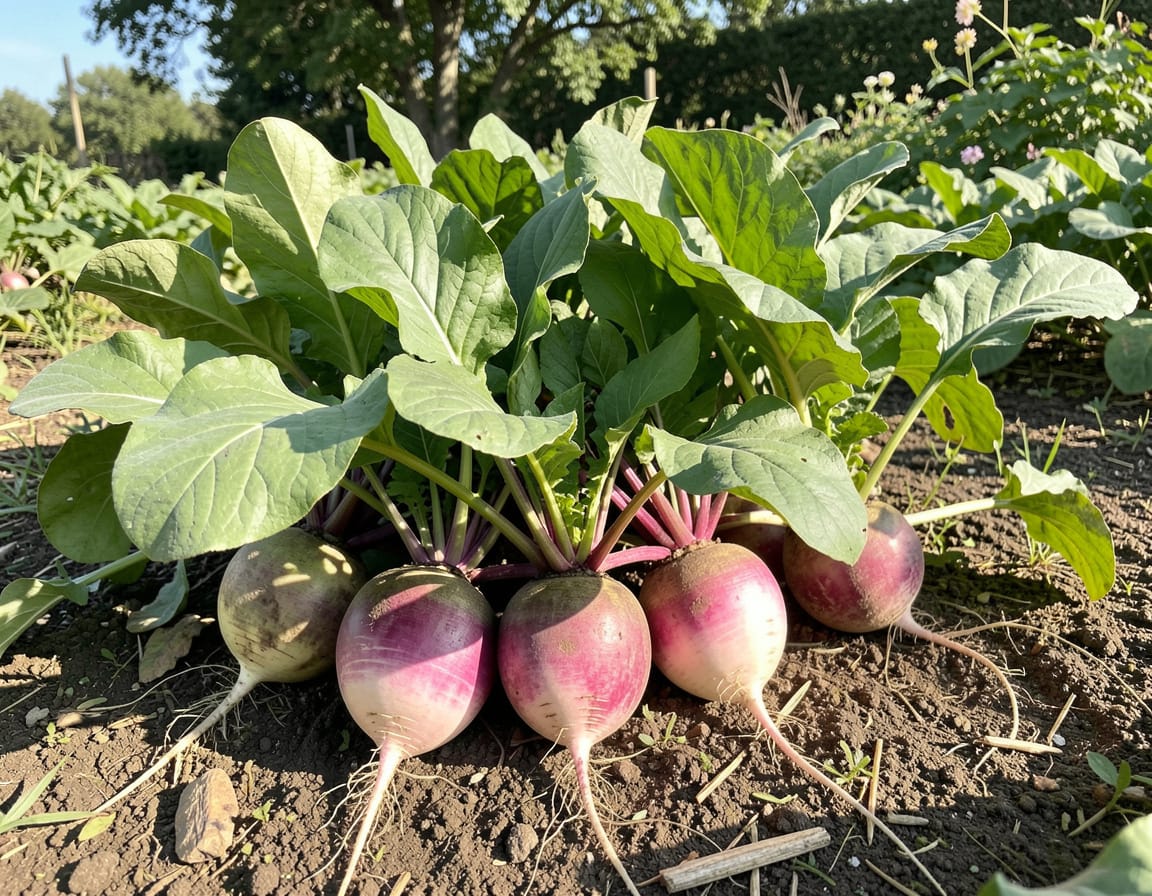
Turnips grow best in full sun, but they can tolerate light partial shade especially in warmer regions.It may look simple, but light plays a big role in how well they grow. Many gardeners wonder whether these cool-season vegetables prefer bright sunshine or a bit of shade. The answer is not as strict as you might think. Turnips can adapt to different light conditions, but the amount of sun they receive directly affects root size, leaf growth, and overall flavor. Understanding how full sun and partial shade influence turnip growth helps you choose the best planting spot and avoid common mistakes. Whether you garden in a backyard bed or a small balcony space, knowing their light needs can make a clear difference in your harvest.
Do Turnips Grow Better in Full Sun or Shade
Here’s how I usually explain it to homeowners and gardeners I work with:
Full Sun (Ideal)
- 6 or more hours of direct sunlight daily is perfect.
- Sunlight helps turnips form firm, flavorful roots and keeps the plants from getting leggy.
- In cool spring or fall weather (their preferred seasons), full sun also warms the soil just enough to encourage steady, healthy growth.
Partial Shade (Acceptable in Hot Climates)
- In southern or warmer U.S. zones, a bit of afternoon shade actually helps prevent the plants from bolting (sending up flower stalks too early).
- Light shade during the hottest part of the day can also keep roots tender and prevent bitterness.
Avoid Heavy Shade
- Too little light means small, poorly developed roots and lush leaf growth with no bulb.
- In shaded spots under trees or on the north side of a building, turnips rarely perform well.
Expert Tips
- Aim for full sun whenever possible.
- If your space only offers partial shade, choose fast-maturing or baby turnip varieties (like Hakurei or Tokyo Cross) and make sure the soil stays loose, rich, and evenly moist.
That balance gives you the best of both worlds healthy greens and crisp, flavorful roots.
How Sunlight Affects Turnip Growth
Sunlight directly influences how turnips divide energy between leafy greens and root formation. In full sun, plants produce compact roots and healthy tops. With too much shade, turnips may grow large leaves but small or misshapen roots. Poor light can also slow growth and increase the risk of disease due to excess moisture in the soil.
For best results, plant turnips in well-draining soil, keep them evenly watered, and monitor temperatures. If daytime heat rises above ideal levels, shade cloth or strategic planting near taller crops can offer gentle protection without blocking essential light.
Conclusion
Turnips prefer full sun, but they tolerate partial shade, especially in warm climates. The key is balance. Enough sunlight encourages strong root growth, while light shade during hot periods helps maintain quality and flavor. By understanding how sun exposure affects turnips, home gardeners can choose the right location and enjoy a reliable, healthy harvest. Whether you grow turnips in raised beds, traditional gardens, or small spaces, proper light management will significantly improve your results.
