Every product is independently reviewed and selected by our editors. If you buy something through our links, we may earn an affiliate commission at no extra cost to you.
Growing your own vegetables doesn’t require a backyard. With the right pots, soil, and plant choices, you can harvest fresh, flavorful produce from a balcony, patio, or even a sunny windowsill. The key is choosing crops that genuinely thrive in containers not just survive.
If you’ve struggled with leggy plants, low yields, or pots that dry out too quickly, this guide will walk you through proven, low-maintenance vegetables that perform exceptionally well in pots.
Many beginner gardeners start container gardening with enthusiasm only to be disappointed by stunted plants, poor drainage, or vegetables that never produce. The problem usually isn’t effort. It’s plant selection and setup.
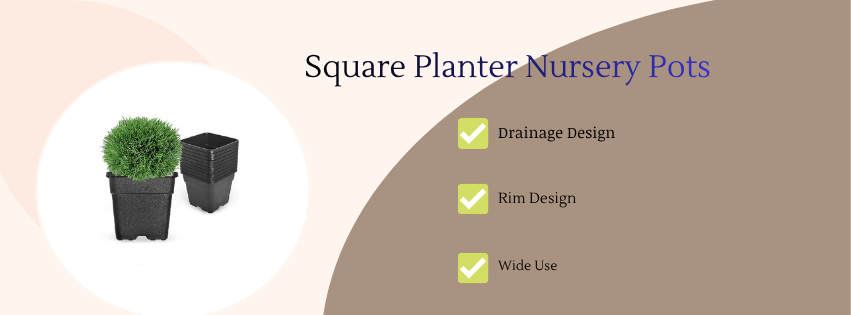
Some vegetables require deep soil, extensive root systems, or full garden beds. Others are naturally compact, shallow-rooted, and highly productive in confined spaces.
In this guide, you’ll learn:
- Which vegetables truly grow well in pots
- The ideal container depth for each
- Soil composition and drainage requirements
- Light exposure guidance (including direction-specific advice)
- Watering schedules
- Budget vs. premium setup comparisons
- Common mistakes to avoid
By the end, you’ll be equipped to grow a productive, manageable container vegetable garden—even in small spaces.
Quick Summary: Best Easy Vegetables for Pots
- Lettuce – Shallow-rooted, thrives in 6–8 inch pots
- Cherry Tomatoes (determinate varieties) – 12–18 inch deep containers
- Bush Beans – Compact, high-yield in 8–10 inch pots
- Radishes – Fast-growing, shallow soil required
- Spinach – Cool-season performer in containers
- Peppers (compact varieties) – Ideal for 12-inch pots
- Green Onions – Minimal space, continuous harvest
- Herbs (basil, parsley, cilantro) – Extremely container-friendly
All of these perform well in USDA Zones 3–11 depending on season and frost timing.
Why Some Vegetables Thrive in Pots (And Others Fail)
Understanding root behavior is critical.
Vegetables that succeed in containers typically:
- Have compact or shallow root systems
- Mature quickly
- Tolerate slightly restricted root space
- Do not require heavy nutrient loads
Vegetables that struggle in pots:
- Corn (deep, nutrient-hungry roots)
- Large indeterminate tomatoes
- Pumpkins and winter squash
- Large root crops like parsnips
Container gardening limits root expansion, soil moisture buffering, and nutrient reserves. Choosing plants adapted to those limits is the foundation of success.
1. Lettuce – The Ultimate Beginner Container Vegetable
Why It Works
Lettuce roots are shallow—usually 4–6 inches deep. It grows quickly (30–50 days), tolerates partial sun, and doesn’t require heavy feeding.
Container Requirements
- Depth: 6–8 inches minimum
- Width: 10–12 inches or wider
- Drainage: At least 3–5 drainage holes
- Soil: High-quality potting mix with compost (not garden soil)
Ideal soil blend:
- 60% peat or coco coir-based potting mix
- 30% compost
- 10% perlite for drainage
Light Requirements
- 4–6 hours of sun
- East-facing balconies are ideal
- In hot climates (USDA Zones 8–11), provide afternoon shade
Watering
Keep soil consistently moist but never waterlogged. In warm weather, check daily.
Cost Considerations
- Budget setup: Plastic window box + standard potting mix
- Premium: Self-watering planter reduces daily maintenance
Beginner Mistake
Letting lettuce dry out once can cause bitterness and bolting.
2. Cherry Tomatoes (Determinate Varieties)
Tomatoes are often labeled “easy,” but container success depends on variety selection.
Why Determinate Varieties Work
Determinate (bush) tomatoes stop growing at a certain height and produce fruit over a concentrated period. They are more manageable in pots than indeterminate vines.
Container Requirements
- Depth: 12–18 inches
- Volume: 5-gallon minimum
- Drainage: Large holes essential
- Support: Tomato cage or stake
Soil Composition
Tomatoes are heavy feeders:
- 50% potting mix
- 30% compost
- 10% perlite
- 10% worm castings
Light Requirements
- Full sun (6–8+ hours)
- South-facing exposure ideal
- West-facing works if heat isn’t extreme
Watering
Water deeply when top 1–2 inches dry out. In summer, this may mean daily watering.
Fertilization
Use a balanced vegetable fertilizer every 2–3 weeks once flowering begins.
Cost & Maintenance
- Budget: 5-gallon nursery pot
- Premium: Fabric grow bags improve aeration
- Maintenance: Moderate (pruning minimal for determinate types)
Common Mistake
Using pots under 5 gallons. Small containers cause blossom end rot due to inconsistent moisture.
3. Bush Beans
Why They’re Ideal
Bush beans have compact growth and fix nitrogen, improving soil health.
Container Requirements
- Depth: 8–10 inches
- Spacing: 4–6 inches between plants
- No trellis needed
Light
Full sun (6+ hours)
Watering
Moderate, allow top inch to dry.
USDA Zones
Best in Zones 3–10 during warm season.
Cost & Yield
Extremely affordable from seed. High yield relative to space.
Maintenance Impact
Low. Harvest frequently to encourage continued production.
4. Radishes – Fast Results in Small Pots
Why They Work
Radishes mature in 25–30 days and require minimal root depth.
Container Depth
- 6 inches for small varieties
- 8 inches for larger types
Soil Requirements
Loose, well-draining mix with added sand or perlite. Compacted soil causes misshapen roots.
Light
Full sun preferred; partial sun acceptable.
Watering
Consistent moisture prevents splitting.
Beginner Mistake
Overcrowding. Thin seedlings early.
5. Peppers (Compact Varieties)
Peppers are highly adaptable to containers.
Container Requirements
- 12-inch pot minimum
- 3–5 gallons of soil
- Excellent drainage required
Soil
Rich, well-draining mix with compost.
Light
6–8 hours minimum South-facing balconies are ideal.
Watering
Allow top inch to dry before watering. Avoid overwatering peppers hate soggy soil.
USDA Zones
Grow as annuals in Zones 3–10; perennial in Zones 9–11.
Cost Comparison
- Budget plastic pot works
- Ceramic pots retain moisture better but cost more
Maintenance
Low pruning required. Support may be needed once fruit sets.
6. Spinach – Cool-Season Container Performer
Why It Works
Spinach tolerates cooler temperatures and shallow soil.
Container Specs
- 6–8 inches deep
- Wide containers better than deep
Light
4–6 hours sun Excellent for east-facing spaces
Watering
Consistent moisture required.
Seasonal Timing
Spring and fall in Zones 3–8 Winter container growing in Zones 9–11
7. Green Onions (Scallions)
Why They’re Beginner-Friendly
Extremely shallow root systems and regrow after cutting.
Container Requirements
- 4–6 inches deep
- Dense planting possible
Maintenance
Minimal. Keep soil lightly moist.
Cost Efficiency
Very high ROI regrow from kitchen scraps.
Essential Container Gardening Setup
Choosing the Right Planter
Look for:
- Drainage holes (non-negotiable)
- UV-resistant material
- Minimum depth appropriate for crop
- Saucers to protect balconies
Fabric grow bags improve aeration but dry out faster.
Best Potting Soil for Vegetables in Pots
Never use garden soil in containers.
Ideal mix:
- Peat or coco coir base
- Compost
- Perlite or pumice
Budget mix works fine, but premium blends include slow-release nutrients and mycorrhizae.
Watering Systems for Busy Gardeners
Manual watering works for small setups. For larger container gardens, consider:
- Drip irrigation kits
- Self-watering planters
- Watering globes (short-term solution)
Drip systems reduce water waste and stabilize moisture levels.
Common Beginner Mistakes in Container Vegetable Gardening
- Using pots without drainage
- Underestimating sunlight direction
- Overcrowding seedlings
- Letting containers completely dry out
- Using containers too small for fruiting plants
Avoiding these dramatically increases success rates.
Frequently Asked Questions
What vegetables grow best in small pots?
Lettuce, radishes, spinach, and green onions perform best in pots under 8 inches deep.
How often should I water vegetables in pots?
Typically when the top 1–2 inches are dry. In summer, this may mean daily watering.
Can I grow vegetables on a north-facing balcony?
Leafy greens may survive, but fruiting crops like tomatoes and peppers will struggle without supplemental grow lights.
What size pot is best for tomatoes?
At least 5 gallons (12–18 inches deep) for determinate varieties.
Do I need fertilizer for container vegetables?
Yes. Containers leach nutrients quickly. Use balanced fertilizer every 2–3 weeks during growing season.
Are self-watering pots worth it?
Yes for busy gardeners. They reduce watering frequency and stabilize moisture levels but cost more upfront.
Final Thoughts
Growing easy vegetables in pots isn’t about squeezing plants into any container and hoping for the best. It’s about matching the right crop to the right depth, soil structure, and light exposure.
Start with lettuce, radishes, bush beans, or green onions if you’re new. Move into determinate cherry tomatoes and peppers once you understand watering patterns.
Container gardening offers:
- Controlled soil quality
- Fewer weeds
- Flexible layout
- Accessibility for small spaces
With proper drainage, quality potting mix, and adequate sunlight, even a balcony can produce consistent harvests.
Choose wisely, size your containers properly, and maintain consistent watering. The results compound season after season.
