Every product is independently reviewed and selected by our editors. If you buy something through our links, we may earn an affiliate commission at no extra cost to you.
Fresh vegetables grown just steps from your kitchen change how you cook and eat. Even a 4-foot balcony or sunny windowsill can produce crisp lettuce, sweet cherry tomatoes, and fragrant herbs if you design your containers correctly. Done right, container vegetable gardening is not a compromise. It’s controlled, efficient, and surprisingly productive.
Many aspiring gardeners assume they need a backyard to grow meaningful amounts of food. The real limitation isn’t space it’s strategy. Containers give you control over soil quality, drainage, and placement, often outperforming in-ground beds in urban environments.
This guide provides practical, high-yield vegetable container gardening ideas backed by horticultural principles. You’ll learn what works, why it works, and how to implement each idea based on root depth, light exposure, drainage, and USDA hardiness zone considerations.
Quick Summary Box
- Use containers at least 10–12 inches deep for most vegetables
- Ensure drainage holes and well-aerated potting mix (never garden soil)
- Position fruiting vegetables in south- or west-facing sun (6–8 hours minimum)
- Water consistently containers dry out faster than ground beds
- Choose compact or “dwarf” varieties bred for pots
- Feed regularly with balanced organic fertilizer or slow-release granules
- Prioritize pest monitoring in tight balcony environments
Why Vegetable Container Gardening Works So Well
Container gardening works because it isolates and optimizes the root environment.
Why It Works
- You control soil composition.
- Drainage is predictable.
- Fertility levels are consistent.
- You can move containers to adjust sun exposure.
In USDA Zones 3–6, containers warm faster in spring, allowing earlier planting. In Zones 8–11, they can be moved to partial shade during peak summer heat to prevent root stress.
Cost & Maintenance Impact
- Initial container and soil setup: $100–$300 for a small balcony system.
- Ongoing costs: Fertilizer and occasional soil refresh.
- Maintenance: More frequent watering than in-ground beds.
1. 5-Gallon Bucket Gardens for Tomatoes and Peppers
A classic, budget-friendly system that consistently produces.
Why It Works
Tomatoes and peppers develop deep root systems (12–18 inches). A 5-gallon container provides enough soil volume to buffer moisture and nutrients.
How to Implement
- Use food-grade 5-gallon buckets with 5–8 drainage holes.
- Soil mix:
- 60% high-quality potting mix
- 20% compost
- 20% perlite or pumice for drainage
- Add slow-release organic fertilizer at planting.
- Place in full sun (south-facing preferred).
- Stake or use a tomato cage at planting time.
Watering
- Daily in peak summer heat.
- Keep soil evenly moist not soggy.
Beginner Mistake
Using garden soil. It compacts in containers and suffocates roots.
Cost
Budget-friendly. Buckets are inexpensive. Premium upgrade: self-watering tomato planters.
2. Tiered Planter Systems for Leafy Greens
Ideal for balconies and patios.
Why It Works
Leafy greens (lettuce, spinach, arugula) have shallow roots 6–8 inches deep. Vertical stacking maximizes production per square foot.
Implementation
- Use tiered vertical planters with built-in drainage.
- Depth requirement: Minimum 6–8 inches.
- Soil: Lightweight potting mix with compost for moisture retention.
- Ideal exposure: East-facing light (morning sun, afternoon shade).
Watering
Every 1–2 days depending on temperature.
Maintenance Impact
Greens require frequent harvesting to prevent bolting.
Best USDA Zones
Zones 3–9 spring and fall; avoid midsummer heat in Zones 8–11.
3. Fabric Grow Bags for Root Vegetables
Excellent for carrots, radishes, and potatoes.
Why It Works
Fabric grow bags provide air pruning, preventing root circling and improving root structure.
Container Depth Guidelines
- Carrots: 10–12 inches
- Beets: 10 inches
- Potatoes: 12–16 inches
Soil Mix
- 50% potting mix
- 30% compost
- 20% coarse sand (for carrots)
Loose soil prevents forked roots.
Drainage
Fabric bags naturally drain well but require more frequent watering.
Cost
Mid-range. High-quality thick fabric lasts 3–5 seasons.
4. Self-Watering Containers for Busy Gardeners
A practical solution for consistent moisture.
Why It Works
Vegetables like tomatoes and cucumbers suffer from inconsistent watering, leading to blossom end rot or bitterness. Self-watering systems provide steady moisture from below.
How to Choose
- Reservoir size: At least 1 gallon per large plant.
- Depth: 12 inches minimum for fruiting vegetables.
- UV-resistant plastic for durability.
Maintenance Impact
Refill reservoir every 2–4 days in summer.
Budget vs Premium
- Budget: DIY bucket with reservoir insert.
- Premium: Commercial sub-irrigated planters.
5. Window Box Herb and Salad Gardens
Perfect for renters.
Why It Works
Herbs have shallow root systems and prefer slightly lean soil.
Ideal Soil Composition
- 70% potting mix
- 20% compost
- 10% perlite
Depth
6–8 inches minimum.
Light Requirements
- South or west-facing for basil and thyme.
- East-facing works for parsley and cilantro.
Beginner Mistake
Over-fertilizing herbs. It reduces flavor intensity.
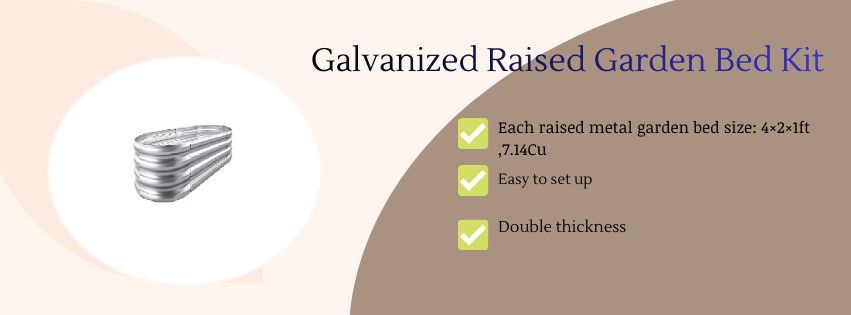
6. Raised Bed Planters for Patios
For serious production without ground planting.
Why It Works
Raised planters 12–18 inches deep allow root vegetables and fruiting crops to thrive.
Buying Criteria
- Depth: 12 inches minimum.
- Material: Cedar (naturally rot-resistant) or powder-coated steel.
- Built-in drainage holes.
Soil Fill Strategy
Use the “container raised bed mix”:
- 50% potting soil
- 30% compost
- 20% aeration material
Cost
$150–$400 depending on size and material.
7. Hanging Basket Vegetables
Surprisingly productive.
Best Crops
- Cherry tomatoes (trailing varieties)
- Strawberries
- Bush cucumbers
Why It Works
Trailing varieties reduce disease risk by improving airflow.
Maintenance
Requires daily watering in hot weather.
Common Mistake
Using baskets smaller than 12 inches wide.
Light Exposure Strategy for Maximum Yield
Vegetables fall into two main categories:
Full Sun (6–8+ hours) Tomatoes, peppers, cucumbers, eggplant.
Partial Sun (4–6 hours) Leafy greens, herbs, radishes.
South-facing balconies are ideal. West-facing can cause heat stress in Zones 8–11 provide afternoon shade cloth if necessary.
Watering Strategy for Containers
Containers dry out faster because they’re exposed on all sides.
Best Practice
- Check soil 1–2 inches deep daily.
- Water until it drains from the bottom.
- Avoid shallow sprinkling.
Drip irrigation kits are excellent for multiple containers and reduce maintenance time significantly.
Fertilizing in Containers
Nutrients leach quickly.
Recommended Approach
- Slow-release fertilizer at planting.
- Liquid feed every 2–3 weeks during active growth.
Avoid overfeeding leafy greens it causes excess nitrogen buildup.
Pest Prevention Basics
Balconies reduce soil-borne pests but not insects.
Common Issues:
- Aphids
- Spider mites
- Whiteflies
Prevention:
- Inspect leaves weekly.
- Use neem oil or insecticidal soap as needed.
- Improve airflow between containers.
Common Beginner Mistakes
- Using garden soil in pots
- Choosing containers too small
- Ignoring drainage holes
- Overcrowding plants
- Inconsistent watering
Each mistake reduces yield more than lack of space ever will.
FAQ
What vegetables grow best in containers?
Tomatoes, peppers, lettuce, spinach, herbs, radishes, carrots, bush beans, and compact cucumbers perform exceptionally well when given adequate depth and drainage.
How deep should a container be for vegetables?
- Leafy greens: 6–8 inches
- Herbs: 6 inches
- Tomatoes/peppers: 12–18 inches
- Root vegetables: 10–16 inches
How often should I water container vegetables?
Typically daily in summer. Always check soil moisture before watering.
Can I reuse potting soil?
Yes, if refreshed with compost and aeration material. Avoid reusing soil from diseased plants.
Do container vegetables need fertilizer?
Yes. Containers lose nutrients quickly. Use slow-release fertilizer and supplement every few weeks.
What is the best container material?
Plastic retains moisture. Fabric improves aeration. Wood looks attractive but costs more. Choose based on climate and watering habits.
Final Thoughts
Vegetable container gardening is not about limitation it’s about precision. When you control soil composition, drainage, light exposure, and watering, even a small balcony can produce consistent harvests.
Start with one or two reliable systems: a 5-gallon tomato bucket and a tiered greens planter. Invest in quality potting mix and proper drainage. Monitor watering closely.
Over time, you’ll refine your setup, extend your growing season, and reduce grocery costs while enjoying vegetables harvested minutes before your meal.
Small space. Serious yield. The results depend on your setup not your square footage.
