Every product is independently reviewed and selected by our editors. If you buy something through our links, we may earn an affiliate commission at no extra cost to you.
If you’ve ever fed your plants and suddenly ended up with giant leafy growth but no flowers or fruit, you’ve experienced the classic “too much nitrogen” problem. I’ve run into this repeatedly in my own balcony containers and vegetable beds especially with tomatoes, peppers, and flowering ornamentals.
When plants need blooms, roots, or fruit not leaves you need a good low nitrogen fertilizer. But which ones actually work? And how low is “low”?
This guide breaks down the best low‑nitrogen options based on real-world use and simple gardening science.
Why Low Nitrogen Fertilizers Work
Nitrogen drives leaf growth. When nitrogen is high:
- Plants get tall and leafy
- Flowering slows
- Fruits set poorly
- Root crops become misshapen
Low nitrogen fertilizers shift the balance toward:
- Blooms
- Root development
- Strong stems
- Fruit production
In my beds, switching to a low‑nitrogen feed mid-season almost always triggers better flowering within 10–14 days.
What Materials You’ll Need
- A low nitrogen fertilizer (options below)
- Watering can or scoop
- Gloves (organic fertilizers can smell earthy)
- Optional: compost to blend and improve soil texture
The Best Low Nitrogen Fertilizers (From Actual Garden Use)
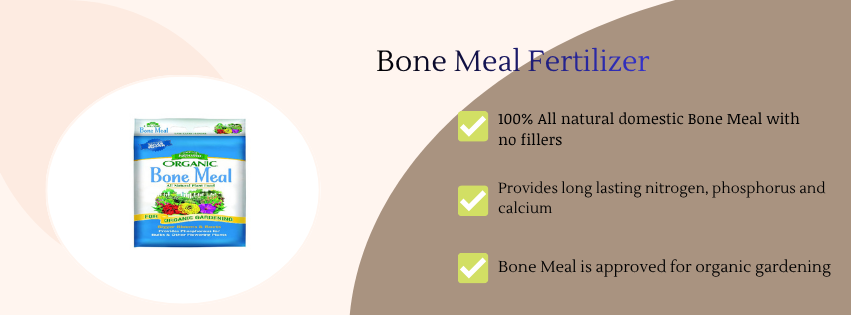
1. Bone Meal (N‑P‑K around 3‑15‑0)
Why it works:
- Extremely low nitrogen
- High phosphorus for strong root and flower development
- Perfect for planting bulbs or blooming plants What I’ve seen:
- Tulips, roses, and peppers respond especially well
- Best when mixed into planting holes
Not ideal for:
- Heavy clay soil (breaks down slowly)
2. Bloom Booster or Flowering Fertilizer (e.g., 2‑8‑4 or 1‑4‑5)
Why I use it:
- Balanced but low nitrogen
- Immediate improvement in flower set on peppers, tomatoes, and annuals Best for:
- Tomatoes once flowers appear
- Hibiscus, bougainvillea, roses
- Indoor flowering houseplants
3. Kelp Meal or Liquid Seaweed (0‑0‑1 or similar)
My favorite gentle option. Benefits:
- Almost zero nitrogen
- Packed with trace minerals and growth hormones
- Great for stressed or heat‑exposed plants Real results:
- Helps tomatoes set fruit during hot spells
- Keeps potted flowers blooming longer
4. Wood Ash (0‑2‑4)
Works surprisingly well if used carefully. Pros:
- Free if you have clean hardwood ash
- Raises potassium levels (boosts fruiting) Cons:
- Raises soil pH avoid around acid-loving plants
5. Rock Phosphate (0‑3‑0)
Good long-term option. Useful for:
- Root crops like carrots and beets
- Perennial ornamentals Slow-release, so don’t rely on it for quick fixes.
6. Compost (very low, usually 1‑1‑1)
Compost varies, but most household composts are naturally low in nitrogen. Great for:
- Containers needing gentle feeding
- Improving soil microbiology
- Gardeners who prefer “no-measure” feeding
How to Use Low Nitrogen Fertilizer Safely
1. Match the Fertilizer to the Plant
Good candidates for low nitrogen feeding:
- Tomatoes once flowering
- Peppers after first blossoms
- Cucumbers, squash, melons
- Roses and ornamentals
- Root crops (carrots, beets, onions)
Avoid low nitrogen for:
- Leafy greens
- Seedlings
- Plants recovering from damage
2. Apply at the Right Stage
For fruiting plants: Switch to low nitrogen once the first flower cluster appears.
For flowering ornamentals: Start when buds form, then repeat every 2–3 weeks.
3. Don’t Overuse
Low nitrogen doesn’t mean “safe to pile on.” Excess phosphorus can cause:
- Leaf discoloration
- Stunted growth
Use the recommended dose.
4. Combine With Good Watering
Low nitrogen fertilizers often work best in consistently moist not soggy soil. Dry pots absorb nutrients poorly.
Professional Tips & Best Practices
- For tomatoes, I switch to a 2‑8‑4 formula once flowers appear.
- For roses, a mix of bone meal + liquid kelp works beautifully.
- Use wood ash sparingly about 1 tablespoon per square foot.
- If plants look leafy but bloomless, flush soil with water first, THEN use low nitrogen feed.
- Seaweed is my go‑to for stressed plants it never burns.
Common mistakes:
- Using bloom boosters too early (stunts vegetative growth)
- Adding bone meal to alkaline soil (nutrients become unavailable)
- Thinking “organic = no risk” overfeeding is still possible
FAQ
What N‑P‑K ratio is considered low nitrogen? Anything where the first number is 0–3 is considered low nitrogen.
Can I use low nitrogen fertilizer on all plants? No. Leafy plants like basil, lettuce, cilantro, spinach, and mint need more nitrogen.
Is low nitrogen fertilizer good for tomatoes? Yes once flowering starts. It encourages fruiting instead of leaf growth.
Is bone meal safe for all soil types? Works best in slightly acidic soil. In alkaline soil, it breaks down slowly.
How often should I use low nitrogen fertilizer? Most gardeners feed every 2–4 weeks during the blooming/fruiting period.
When NOT to Use Low Nitrogen Fertilizers
Avoid them for:
- Seedlings
- Young transplants
- Leafy greens
- Very poor soil needing overall nutrient improvement
- Plants recovering from pruning or damage
In these cases, a balanced (3‑3‑3 or 5‑5‑5) feed works better.
Alternatives to Low Nitrogen Fertilizer
If you don’t have any on hand, try:
- Diluted seaweed
- Compost tea
- A small amount of potash
- Cutting back high‑nitrogen fertilizers
Each option gently shifts growth toward flowering.
Conclusion
A good low nitrogen fertilizer helps plants focus on what gardeners want most: flowers, fruits, and strong roots. Bone meal, kelp, bloom boosters, and wood ash are some of the most reliable and affordable options especially for tomatoes, peppers, roses, and fruiting annuals.
Once you match the fertilizer to the plant’s growth stage, you’ll see a noticeable improvement within a couple of weeks. Gardening is always a balance, and low nitrogen fertilizers are one of the easiest tools for steering plants toward healthy blooms and harvests.
