Every product is independently reviewed and selected by our editors. If you buy something through our links, we may earn an affiliate commission at no extra cost to you.
If you’ve ever bought liquid fish fertilizer, you already know two things:
- it works beautifully on leafy greens, herbs, and flowering plants, and
- it’s expensive.
When I started gardening on my small terrace, I went through bottles of the store‑bought stuff. Eventually, after watching how well my vegetables responded to real fish scraps, I began making my own fish fertilizer at home. It’s cheaper, more sustainable, and surprisingly easy as long as you follow the right method to control smell and fermentation.
This guide walks you through the exact process I use today, along with the small lessons I learned the hard way.
Why Homemade Fish Fertilizer Works So Well
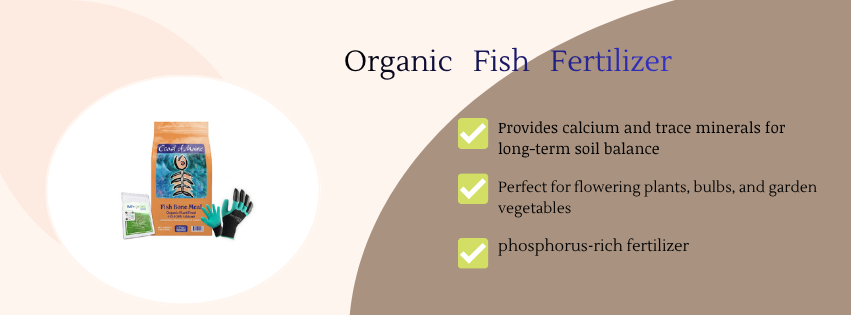
Plants respond quickly to fish fertilizer because it supplies slow‑release nitrogen, amino acids, calcium, and trace minerals. In real gardens, I see the biggest improvements in:
- leaf color (deep greens)
- overall plant vigor
- faster root development
- stronger recovery after pruning or transplant shock
Unlike synthetic fertilizers, fermented fish fertilizer releases nutrients gradually and supports beneficial soil microbes. This is especially helpful in container gardens, where soil life often needs extra help.
What Materials You’ll Need
You can make fish fertilizer using two main ingredients plus a container.
Basic materials
- Fish scraps (heads, bones, guts, or whole small fish)
- Jaggery, brown sugar, or molasses
- An airtight plastic bucket or jar (with a loose‑fitting lid)
- A stirring stick
- A strainer
- Gloves (highly recommended)
Eco‑friendly options
- Use fish scraps from kitchen waste or local fish markets
- Choose unrefined jaggery for better microbial fermentation
Container note Avoid metal containers; fermentation liquids can corrode metal.
How to Make Fish Fertilizer (Fish Amino Acid) – Step-by-Step
This is the same process used in many organic farming practices. It ferments instead of rots, so you avoid foul smells when done right.
1. Prepare the fish scraps
- Chop the fish into smaller pieces.
- Use everything: head, bones, skin.
- In warm climates, keep the scraps cold until you’re ready to use them.
Visual cue: The pieces should be about the size of large ice cubes.
2. Mix fish with jaggery or brown sugar (1:1 ratio)
For every 1 kg of fish scraps, use 1 kg of jaggery/brown sugar.
- Layer fish, then sugar, then fish, then sugar.
- End with a sugar layer on top to prevent surface mold.
Why: The sugar pulls moisture out of the fish and feeds the fermentation microbes.
3. Seal and store the container
- Close the container but do not make it airtight; fermentation releases gases.
- Keep it in a shaded, cool location such as a balcony corner or under a shelf.
Temperature note: Fermentation is fastest between 20–30°C (68–86°F).
4. Stir every 3–4 days
Use a wooden or plastic stick.
Visual cue: After about a week, you should see liquid collecting at the bottom and a deep brown color forming.
5. Ferment for 2–4 weeks
The longer you ferment, the smoother and less fishy the liquid becomes.
Smell tip: If it smells sweet‑fermented (like soy sauce), it’s perfect. If it smells rotten, too much air got in add more sugar and reseal.
6. Strain and bottle the liquid
Once fermentation is complete:
- Strain the liquid fertilizer
- Store it in dark, airtight bottles
- Keep the bottles out of direct sun
You can reuse the leftover solids by fermenting them again with more sugar, or bury them in the soil around fruit trees.
How to Use Homemade Fish Fertilizer
Dilution matters; fish fertilizer is strong.
General dilution: 1 tablespoon in 1 liter of water For leafy vegetables: every 10–15 days For flowering plants: once every 2–3 weeks For seedlings: use a weaker mix 1 teaspoon per liter
Apply early morning or late evening. Avoid hot afternoons; it can stress the plants.
Professional Tips and Best Practices (From Hands-On Use)
- Do not rush fermentation. Under‑fermented mixtures can smell and attract flies.
- Keep ants away by placing the bucket inside a larger tray filled with water (simple moat).
- Never apply undiluted fertilizer. It can burn tender roots.
- Use on moist soil. Applying to dry soil reduces nutrient absorption.
- Avoid storing near living areas. Even good fermentation has a noticeable aroma.
- Filter well before putting into spray bottles. Small solids can clog nozzles.
Common Mistakes Beginners Make
- Using too little sugar this causes rotting instead of fermenting
- Keeping the lid fully airtight can cause gas buildup
- Leaving in direct sun fermentation overheats and spoils
- Not stirring leads to uneven breakdown
FAQ: Natural Voice‑Search Friendly Answers
1. Why does my homemade fish fertilizer smell rotten? It usually means too much air exposure or too little sugar. Add another layer of jaggery, stir gently, and reseal the lid loosely.
2. Can I use cooked fish or fried fish scraps? No. Oils, spices, and salt interfere with fermentation and soil microbes.
3. How long does fish fertilizer last? If bottled tightly and kept in the shade, it lasts 6–12 months.
4. Will it attract pests or cats? Once diluted and applied to the soil, it rarely attracts animals. Fermented fish smells much less than raw fish.
5. Can I use fish fertilizer on indoor plants? Yes but use a weak dilution and avoid overwatering. Some indoor plants may dislike the smell during application.
6. Is fish fertilizer safe for vegetable gardens? Yes. It’s one of the oldest organic fertilizers and safe when applied correctly.
When NOT to Use This Method
Avoid fish fertilizer if:
- You garden in extremely hot climates (35°C+/95°F+), where fermentation spoils easily.
- You live in a small apartment with no outdoor area it can smell during fermentation.
- You’re growing very sensitive plants like some ferns or orchids; they prefer milder feeds.
Alternative Methods (If This One Isn’t Right for You)
1. Fish Emulsion (Cooked Method)
- Faster; odor is milder.
- Requires heating (not ideal indoors).
- Slightly lower nutrient value.
2. Composting Fish Scraps
- Mix into a hot compost pile.
- Takes longer but zero smell if done right.
3. Store-Bought Fish Fertilizer
- Clean, reliable, consistent.
- Expensive but beginner-friendly.
If you have outdoor space and want maximum nutrient value, fermentation is still the best method.
Conclusion
Learning how to make fish fertilizer at home gives you one of the most effective organic plant boosters you can use especially in container gardens, where nutrients wash out quickly. With just fish scraps and jaggery, you can create a long-lasting, microbe-rich fertilizer that keeps plants greener, healthier, and more resilient.
It takes patience for the first batch, but once you get the hang of fermentation, it becomes a routine part of gardening one that saves money and reduces waste while giving your plants a noticeable growth boost.
If you want healthier plants without buying expensive fertilizers, this is one of the most reliable DIY methods you can master.
