Every product is independently reviewed and selected by our editors. If you buy something through our links, we may earn an affiliate commission at no extra cost to you.
If you’ve ever walked out to your garden and found shredded tomato plants, missing hostas, or hoofprints in freshly mulched beds, you’ve met the quiet destroyers of home gardens: deer. In my own backyard, I learned quickly that even a sturdy 6‑foot fence wasn’t enough. Deer cleared it like it wasn’t even there.
So the real question is: How high should a garden fence be to keep deer out? From hands‑on experience and what consistently works for home gardeners, the reliable height is 7–8 feet, with 8 feet being the safest choice if you can manage it.
This guide covers why that height works, alternatives if you can’t go that tall, and practical tips learned from maintaining deer‑safe gardens over several seasons.
Why Deer Need Tall Fences (Simple Biology)
Deer are strong, quiet jumpers. Mature whitetails can easily leap 6–7 feet from a standing position, especially when food is scarce. But they dislike:
- Unstable landing zones
- Tight spaces
- Confusing or leaning barriers
- Fences they can’t gauge height on
A properly built tall fence removes the “easy jump” option and taps into these natural avoidance behaviors. That’s why height + visual clarity is so important.
What Materials You’ll Need
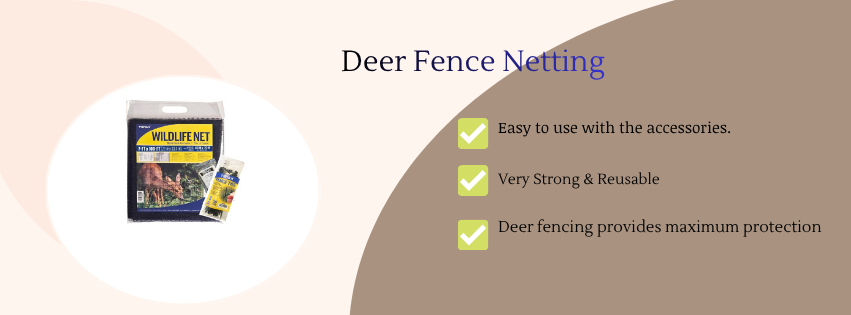
Materials depend on your fence type, but for most gardens you’ll want: • Sturdy wooden, metal, or T‑posts • Welded wire, deer netting, or livestock fencing • Zip ties or galvanized staples • Post driver or mallet • Wire cutters • Optional: angled brackets for leaning fences • Budget option: UV‑resistant plastic deer netting
Eco‑note: Metal fencing lasts decades and is the most sustainable long-term choice.
Step-by-Step: How High Your Fence Should Be (And How to Build It Right)
1. For Reliable Protection: Build an 8‑Foot Fence
8 feet is the gold standard. I’ve used 8‑foot welded wire around my vegetable beds for five years with zero deer breaches.
Tips:
- Keep the bottom secured deer may push under loose fencing.
- Use sturdy corner posts to prevent sagging.
- Space posts 6–8 feet apart for stability.
2. If Space or Budget is Tight: Use a 7‑Foot Fence
Seven feet can work if:
- Deer pressure is moderate
- Food sources nearby are plentiful
- You maintain good tension in the fence
In my experience, gardens near woods or open fields need the full 8 feet.
3. If You Can’t Build Tall: Create a Double Fence
Deer won’t jump into narrow spaces. Build two 4–5 foot fences spaced 3–5 feet apart.
This method works surprisingly well: deer can jump high, or far not both at once.
4. Use an Angled Fence (Space-Saver)
Build a 6‑foot fence that leans outward at a 30° angle. This confuses deer depth perception and makes them think the fence is taller.
Best for:
- Small backyards
- Areas where height restrictions apply
5. Add Visual Height Without Real Height
Deer hate unclear landing zones. You can “fake height” by tying: • Flags • Reflective tape • Twine lines above the fence • Hanging CDs or ribbons (budget but surprisingly effective)
Not a primary barrier use only as reinforcement.
Professional Tips & Best Practices
• Secure the bottom of the fence tightly; deer often nose under loose wire. • Avoid gaps wider than 6 inches. • Keep vegetation trimmed around the fence deer use shrubs as leverage. • In high‑snow areas, account for winter drifts that reduce effective height. • Use metal posts at corners; wooden posts tend to loosen over time in soft soil.
Common mistake: building a strong 6‑foot fence and assuming it’s enough. It rarely is.
FAQ
Will a 6-foot fence keep deer out?
Almost never. Deer regularly clear 6 feet without effort.
Do deer jump an 8-foot fence?
It’s extremely rare, especially if they don’t have a running start.
Are deer netting fences effective?
Yes—if installed at 7–8 feet and kept taut. Sagging netting invites jumping.
How close can a fence be to plants?
At least 1–2 feet away to prevent deer from nibbling through the fence.
What’s the cheapest deer-proof fence?
8‑foot UV-resistant plastic netting on metal T‑posts is the best budget option.
When NOT to Use a Tall Fence
Avoid tall fencing if: • Local rules restrict fence height • You’re gardening in a tiny front yard (visual impact matters) • Soil is too shallow for deep-set posts • You rent the property and cannot install permanent posts
In these cases, double fencing or angled fencing is safer.
Alternative Methods
• Electric fencing Very effective but requires maintenance and careful placement. • Motion-sensor sprinklers Good for low deer pressure; not reliable long-term. • Scent and taste repellents Useful for supplementing fencing, not replacing it. • Hedge barriers Dense shrubs like boxwood or holly deter deer over time.
Conclusion
To truly keep deer out, your garden fence should be at least 7–8 feet high, with 8 feet being the most reliable for long-term protection. If building tall isn’t possible, double fencing or angled barriers work remarkably well and cost less than many gardeners expect.
Once I upgraded to an 8‑foot fence around my vegetable beds, deer damage dropped to zero and it has stayed that way for years. With the right structure, your garden can finally grow in peace too.
