Every product is independently reviewed and selected by our editors. If you buy something through our links, we may earn an affiliate commission at no extra cost to you.
Many new gardeners want raised beds with legs because they save your back, fit perfectly on balconies or patios, and keep soil away from pests. But pre-made stands can be expensive. I built my first waist‑high raised bed from scrap wood and low‑cost materials after getting tired of bending over my ground‑level beds and it held up for years.
If you want to know how to build a raised garden bed cheap with legs, this guide walks you through a simple build using basic tools, affordable lumber, and a design that works for tight spaces. Everything here is based on what I’ve tested in my own small backyard and balcony setups.
Why This Cheap Raised Bed With Legs Works
A raised bed with legs is essentially a shallow planter box sitting on a stable frame. It works because:
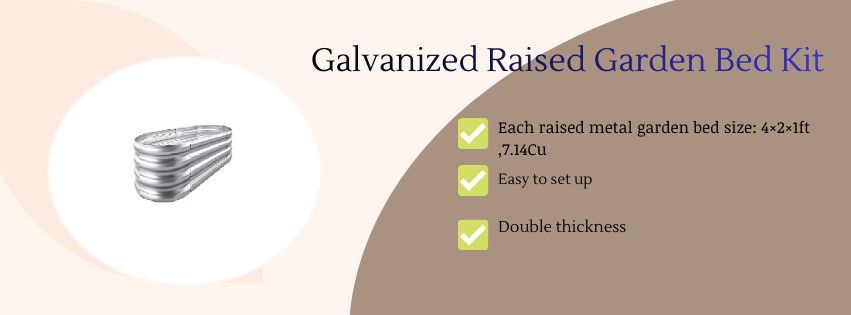
- It lifts soil to a comfortable working height
- Drainage improves naturally
- Soil warms faster in spring
- Legs allow airflow underneath (reducing rot and pests)
- You control soil quality completely
The method below balances cost, durability, and beginner‑friendly construction.
What You’ll Need (Budget Options Included)
- Lumber:
- 1×6 or 1×8 boards for the sides (pine or fir is the cheapest)
- 2×2 or 2×3 wood for legs and corner supports
- Screws (1.5–2.5 inches)
- Drill or screwdriver
- Handsaw or circular saw (hardware stores will cut wood for free/cheap)
- Landscaping fabric or burlap
- Optional: leftover bricks or pallets for ultra‑budget builds
- Liner options: old feed bags, burlap sacks, weed fabric
- Soil mix: compost + topsoil + coco coir or peat
Eco‑note: Avoid pressure‑treated wood if growing edibles. Pine lasts plenty long when raised off the ground and lined properly.
Step-by-Step: How to Build a Raised Garden Bed Cheap With Legs
1. Choose the Right Size
For sturdiness and affordability:
- Recommended: 3–4 feet long, 1.5–2 feet wide, 8–12 inches deep
- Depth of 10 inches works for lettuce, herbs, greens, radishes, dwarf tomatoes, peppers
Avoid very long boxes soil gets heavy and legs wobble.
2. Cut Your Wood
You need:
- 2 long boards for the front/back
- 2 shorter boards for the sides
- 4 sturdy legs (cut from 2×2 or 2×3 lumber)
- 2–3 bottom support rails
Tip from experience: slightly taper the ends of the legs that touch the ground to reduce water retention and rot.
3. Assemble the Box First
- Attach short boards to the ends of the long ones to form a rectangle.
- Use at least 2 screws per corner.
- Keep everything square wobbly boxes lead to wobbly legs.
4. Add Bottom Support Rails
Since soil is heavy, attach 2–3 rails under the box, spaced evenly. These prevent sagging one of the most common failures in cheap raised beds.
5. Attach the Legs
- Place legs on the outside corners.
- Screw them securely to the side boards and support rails.
- Ensure all legs are the same length so the bed doesn’t rock.
Tip: For extra stability, add a diagonal brace between two legs.
6. Add the Bottom Layer
For drainage, don’t use solid wood sheets. Use:
- Slats spaced 1–1.5 inches apart
- Or reused pallet planks
Line the inside with:
- Landscape fabric
- Burlap
- Feed bags with drainage holes
This keeps soil in while allowing excellent drainage.
7. Fill With Lightweight Raised Bed Soil Mix
A cheap, effective blend:
- 40% compost
- 40% topsoil
- 20% coco coir or peat moss
Avoid heavy garden soil it compacts and stresses the legs.
8. Water and Check Stability
Water lightly to settle soil. Test wobble by gently pushing the bed from the side. If needed, add small lateral braces between legs.
Professional Tips & Best Practices
- Raise beds on bricks or pavers to keep legs dry and increase lifespan.
- Reapply wood oil (linseed) once a year for longevity.
- Don’t overfill with wet soil add soil gradually.
- For balconies, check weight limits; soil is extremely heavy when saturated.
- Add wheels only if the legs are reinforced otherwise they’ll bow.
Common beginner mistake: using plywood bottoms. Plywood absorbs water, sags, and rots fast.
FAQ
How deep should a raised garden bed with legs be?
8–12 inches is enough for most vegetables and herbs.
What’s the cheapest wood for raised beds with legs?
Pine or fir. They’re not rot-proof but last years when elevated and lined.
Can I build a raised bed with pallet wood?
Yes—just remove nails, choose heat‑treated pallets (marked HT), and sand edges.
How much weight can a legged bed hold?
A small box filled with damp soil can weigh 200–300 lbs. Use 2×2 or 2×3 legs and multiple bottom supports.
Do I need to line the bed?
Yes. It extends wood life and prevents soil loss.
Can I use this design for balconies?
Yes, but always check load limits and use lighter soil blends.
When NOT to Use This Method
- If your balcony or deck can’t support heavy loads
- If your area receives extremely heavy rainfall (legs may weaken faster)
- If your crops require deep roots (e.g., potatoes, full-size tomatoes)
- If you have termites use metal legs or cedar instead
Alternative Methods
- Plastic storage tubs on stands: Cheap, waterproof, quick setup.
- Metal stock-tank planters with cinder block legs: Very durable.
- Stacked concrete blocks without legs: Best for ground-level gardening.
Each has its pros, but the wooden raised bed with legs is the most flexible and budget-friendly.
Conclusion
Learning how to build a raised garden bed cheap with legs gives you an affordable, space-saving way to grow vegetables, herbs, and flowers anywhere from a small patio to a balcony. With simple lumber, a handful of screws, and a practical design, you can build a sturdy raised bed that lasts for years and makes gardening easier on your back.
