Every product is independently reviewed and selected by our editors. If you buy something through our links, we may earn an affiliate commission at no extra cost to you.
If you’ve ever put down grass seed right before a rainy spell, you probably know the sinking feeling of looking outside and seeing sheets of water moving across your freshly prepared soil. I’ve been there after one early‑spring overseeding in my own backyard, a single thunderstorm carved tiny channels downhill and took half the seed with it.
Grass seed loves moisture, but it can’t handle flooding, puddling, or fast-moving water. Knowing how much rain is too much for grass seed can be the difference between a full, even lawn and a thin, patchy mess.
This guide explains exactly how much rainfall is safe, what’s too much, and how to protect your seeded area using simple, beginner‑friendly steps.
Why This Method Works
Rain affects grass seed in two main ways:
- Moisture: Seeds need consistent, shallow moisture (not soaking) to activate germination.
- Seed stability: Until roots form, seed sits on or just under the soil surface, making it easy to wash away.
In real gardens even on a small backyard slope seed can shift several feet with just one heavy downpour. Understanding rainfall intensity helps you keep the seed in place and maintain the moisture balance seedlings need.
How Much Rain Is Too Much for Grass Seed
Safe Amounts of Rain
Light, steady rainfall is ideal:
- Drizzle or gentle showers
- Less than ¼ inch per hour
- No soil movement or puddling
This is the kind of rainfall that keeps the seed bed evenly moist without disturbing the soil.
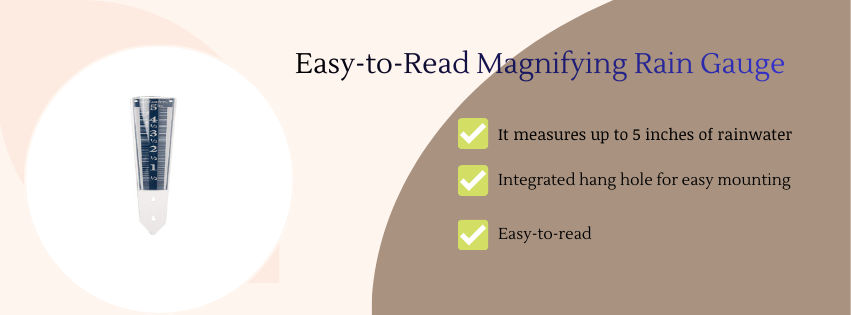
When Rain Becomes Too Much
Grass seed becomes vulnerable when rain is:
- More than 1 inch in 24 hours
- Heavy enough to create puddles
- Fast enough to cause runoff
- Strong enough to leave bare streaks or moved soil
In my experience, anything that forms small channels or exposes tiny white seed roots (radicles) is considered too much.
The Most Dangerous Scenario for New Seed
- Downpours on sloped or uneven ground
- Repeated storms within the first 7–10 days
- Heavy rainfall on sandy soil (seed sinks or washes)
- Puddling on clay soil (seed rots)
If the soil turns muddy or water stands longer than 30–60 minutes, germination is at risk.
What You’ll Need to Protect Grass Seed
- Straw mulch or paper pellet mulch
- Compost or screened topsoil
- Rake
- Lawn roller (optional)
- Erosion-control blankets (for slopes)
- Garden hose with light spray setting
Eco tip: Compost increases moisture retention and soil health without synthetic additives.
Step-by-Step Instructions to Protect Grass Seed From Heavy Rain
1. Prepare the Soil Properly
A stable soil surface reduces washout.
- Loosen the top 2–3 inches.
- Break clumps and rake smooth.
- Avoid powdery, overly fine surfaces those wash away fastest.
2. Apply Grass Seed Correctly
Even distribution helps prevent thin patches after storms.
- Use a spreader, not hand tossing.
- Lightly rake the seed in (⅛–¼ inch depth).
3. Add Light Topdressing
One of my most reliable tricks:
- Spread a thin layer of compost (¼ inch).
- This anchors seed and improves moisture control.
4. Mulch the Seed Bed
Mulch protects against splash erosion.
- Straw or paper mulch should cover about 50% of the soil.
- Avoid heavy layers that block sunlight.
5. Protect Sloped Areas
If you’re working on a hill:
- Use erosion-control blankets.
- Create tiny horizontal ridges with a rake to trap water.
- Add a compost berm at the base of the slope.
6. Watch the Weather Window
Avoid seeding within:
- 24–48 hours of a predicted thunderstorm
- Multi-day rain events
If the forecast looks unstable, delay seeding until conditions settle.
7. After the Rain: Inspect & Repair
Once the soil dries just enough to walk on:
- Look for washed-out channels
- Check for exposed seed
- Re-rake and reseed thin areas
- Add fresh compost and mulch if needed
Quick repairs give the lawn time to recover before heat or weeds arrive.
Professional Tips & Best Practices
- Rougher soil surfaces hold seed better during storms.
- Clay soils need more topdressing to prevent puddles.
- Sandy soils need mulch to prevent seed sinking below germination depth.
- If you overseed an existing lawn, mow short beforehand so seed reaches the soil.
- Avoid watering heavily with a hose new gardeners often “flood” the seed bed accidentally.
Beginner mistake to avoid: Seeding right before a rainstorm because “the rain will water it in.” Heavy rain often ruins more seed than it helps.
FAQ
1. Will one heavy rain ruin my grass seed? It might, depending on your soil. If you see puddles or soil movement, you’ll likely need to patch the area.
2. Can grass seed survive two or three days of rain? Yes if the rain is light. Continuous heavy storms can cause rot or erosion.
3. What if it rains right after I seed? Light rain is beneficial. Heavy rain or thunderstorms can wash seed away, especially on slopes.
4. Does grass seed drown? Yes. If submerged or waterlogged for hours, seed can suffocate and rot.
5. Should I reseed after heavy rain? If you see bare spots or exposed seed, lightly rake and reseed as soon as soil is workable.
When NOT to Seed
Avoid planting grass seed when:
- A storm or downpour is in the forecast
- Soil is already saturated
- You’re in a rainy season where runoff is frequent
- You have steep slopes without erosion control
- Drainage problems create frequent puddles
Seeding during these conditions almost always leads to patchy growth.
Alternative Methods for Rainy Climates
If your region sees frequent rainfall during seeding season, consider:
Sod
- Rain doesn’t displace it
- Roots quickly anchor
- Most reliable for wet climates
- Higher cost
Hydroseeding
- Sticky mulch helps seed stay put
- Great for slopes
- Professional installation required
Warm-season plugs (for southern lawns)
- Establish well in wet soil
- Excellent for small sections
- Not suitable for cool-season grasses
Conclusion
When it comes to how much rain is too much for grass seed, remember:
Light rain is good. Heavy, fast, or pooling rain is too much. Anything over 1 inch in 24 hours can wash out or drown your seed.
With simple prep mulch, compost, weather timing you can protect your seed from storms and get fuller, healthier germination across your yard. Give the seed a stable, moisture-balanced environment, and it will reward you with a strong, even lawn.
