Every product is independently reviewed and selected by our editors. If you buy something through our links, we may earn an affiliate commission at no extra cost to you.
Unveiling the Journey: The 5 Key Stages of Mushroom Growth Explained
Mushrooms don’t just appear overnight they follow a fascinating, methodical journey beneath the surface before reaching your plate. For growers, gardeners, and curious readers alike, understanding this lifecycle is the key to healthier harvests and better results. In this guide, we’ll break down what are the 5 stages of mushroom growth and why each phase matters more than you might think. From invisible underground networks to the final moment of harvest, every stage plays a critical role in size, flavor, and yield. Whether you’re cultivating mushrooms at home or simply want to understand how they grow in nature, this overview will give you clear insight into the process. Let’s explore how tiny spores transform into fully grown mushrooms step by step.
1. Spore Germination
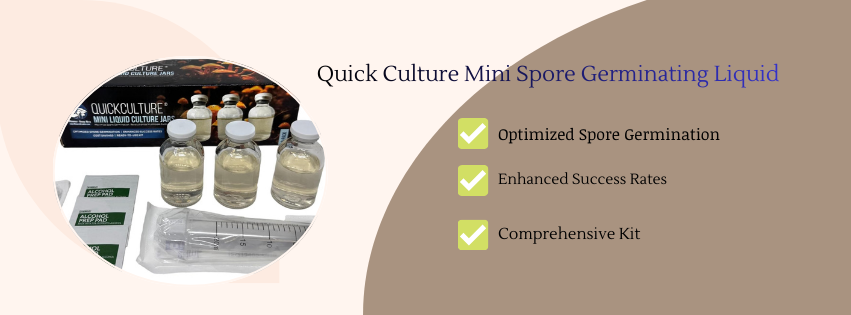
What happens: This is the reproductive starting point. Mushrooms release microscopic spores similar to plant seeds that land on a suitable surface (often wood, soil, compost, or a prepared substrate). When moisture, temperature, and nutrients are right, each spore germinates and produces a threadlike structure called hyphae.
What to focus on:
- Clean, sterile conditions are essential to prevent contamination.
- For home growers, this stage is often skipped by using pre-colonized spawn instead of starting from spores, since germination requires lab-grade cleanliness.
Timeline: A few days to several weeks depending on species and conditions.
2. Mycelium Growth (Vegetative Stage)
What happens: Hyphae from compatible spores fuse to form mycelium, a dense, white, root-like network that spreads through the substrate. This is the living body of the fungus and the foundation for all future fruiting.
What to focus on:
- Keep the substrate slightly moist but not wet.
- Maintain steady warmth (typically 70–80°F for most species).
- Minimize light; this stage thrives in dark or dim conditions.
Timeline: 10–30 days for most home-grown varieties.
3. Colonization
What happens: The mycelium continues to spread until it fully colonizes the growing medium whether it’s sawdust, straw, coffee grounds, or manure. At this point, the substrate turns uniformly white.
What to focus on:
- Avoid disturbing the substrate during this period.
- Ensure proper gas exchange (CO₂ buildup can stall growth).
- Watch for contamination green or black spots indicate mold, which competes with mushroom mycelium.
Timeline: 2–6 weeks, depending on species and substrate density.
4. Primordia Formation (Pinning Stage)
What happens: When the mycelium senses environmental changes typically lower CO₂, more light, and higher humidity it begins forming tiny knots called primordia, also known as “pins.” These are the baby mushrooms.
What to focus on:
- Increase fresh air flow and humidity (around 90–95%).
- Introduce indirect light to trigger fruiting.
- Keep temperatures slightly cooler than during colonization.
Timeline: 5–10 days after full colonization.
5. Fruiting and Maturation
What happens: Pins rapidly develop into mature mushrooms, expanding their caps and stems. This is the visible “fruiting body” stage, and it’s when mushrooms are harvested.
What to focus on:
- Maintain consistent humidity and gentle air movement.
- Harvest just before caps fully flatten for best texture and flavor.
- After the first flush, keep conditions stable most substrates produce multiple flushes before nutrients are exhausted.
Timeline: 5–10 days per flush.
Quick Summary Table
| Stage | Description | Key Conditions | Typical Duration |
| 1. Spore Germination | Spores form hyphae | Sterile, moist, warm | Days–weeks |
| 2. Mycelium Growth | Mycelium develops | Warm, dark, humid | 10–30 days |
| 3. Colonization | Substrate fully colonized | Moderate airflow, moist | 2–6 weeks |
| 4. Primordia Formation | Pins appear | High humidity, light, airflow | 5–10 days |
| 5. Fruiting & Maturation | Mushrooms grow and mature | Humid, cool, indirect light | 5–10 days per flush |
From a sustainable gardening perspective, When cultivating mushrooms organically at home, I recommend using untreated straw, hardwood sawdust, or coffee grounds sourced locally. Avoid synthetic fertilizers or pesticides mushrooms are efficient bio-absorbers and can accumulate toxins from contaminated materials. Maintain cleanliness with natural sanitizers like hydrogen peroxide or vinegar instead of harsh chemicals.
