Every product is independently reviewed and selected by our editors. If you buy something through our links, we may earn an affiliate commission at no extra cost to you.
If you’ve gardened for even a single season, you’ve likely felt that sinking moment when a plant stem snaps usually from wind, a bumped pot, or a curious pet. I’ve dealt with this countless times in my own small backyard and balcony garden, and the good news is this: most broken stems can be saved without glue if you act quickly and support the plant properly.
Breaks happen because soft plant tissue can’t hold its own weight once the vascular tissue is damaged. But when you realign the stem and stabilize it, plants usually heal themselves far faster than beginners expect.
Why This Method Works
Plants naturally repair damaged tissue through a process similar to forming a “callus.” When the broken edges of the stem are held firmly together and kept upright, the plant redirects energy to seal and rebuild the damaged cells. This is exactly why staking or splinting without glue is so effective.
From experience, the key factor is alignment. If the broken parts don’t meet cleanly, the plant struggles to reconnect its water pathways and the top section wilts fast.
What You’ll Need Actually
- Soft garden ties, twine, or strips of clean cloth
- Two small sticks, chopsticks, bamboo skewers, or similar
- Clean scissors or pruners
- Optional: diluted neem or chamomile spray (to reduce fungal risk)
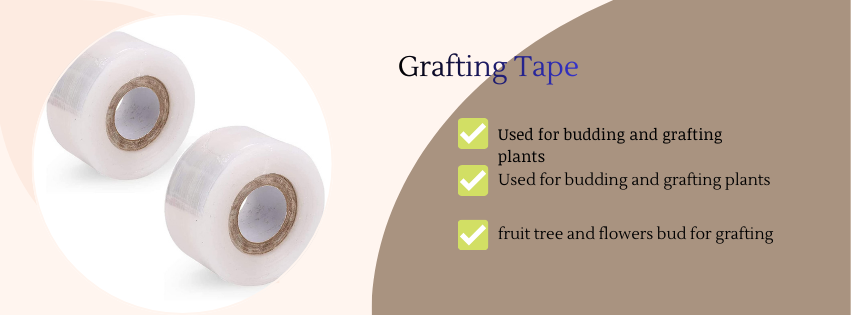
- Optional: breathable plant tape (never electrical tape)
Eco-friendly alternatives:
- Reuse old T-shirt fabric as ties
- Use biodegradable jute twine
- Small pruned branches work fine as splints
How to Fix a Broken Plant Stem Without Glue
1. Act Quickly (Within a Few Hours)
Plant tissue dries out fast. If the break is fresh and still flexible, healing is much more likely.
2. Gently Realign the Stem
Match the broken edges together like a puzzle piece. Avoid crushing or twisting the stem further. Visual cue: the stem should look straight again with no bending at the break point.
3. Create a Simple Splint
Use two sticks on opposite sides of the stem to hold it upright. Place them so the break sits between them like a sandwich.
4. Tie the Splint Firmly but Not Too Tight
Use soft ties and wrap them just enough to hold the stem steady. Tip: if you see the stem pinching or bulging, loosen the tie slightly.
5. Reduce Stress on the Plant
For the next 3–5 days:
- Keep the plant in bright, indirect light
- Water lightly never soak the soil
- Avoid strong wind, pets, or moving the pot
If the top leaves perk up instead of drooping, the repair is working.
6. Check for Healing in 7–10 Days
Healthy signs:
- Stem feels firmer
- Leaves stay upright
- New growth appears
If the repaired section stays green and rigid, you can remove the splint after 2–3 weeks.
Professional Tips & Best Practices
- Support leggy plants early to prevent future breaks.
- For tomatoes and peppers, splinting works extremely well they heal fast.
- Soft stems (basil, mint) heal best when breaks are fresh.
- For thick woody stems, splinting may not be enough pruning and propagating might be smarter.
- Always disinfect ties and splints if you’re working with multiple plants to avoid spreading fungal spores.
Common Beginner Mistakes
- Wrapping the tie too tightly (cuts off sap flow)
- Splinting without aligning the stem
- Leaving the plant in full sun right after repair
- Overwatering stressed plants
FAQ
Why is my repaired stem still drooping?
Usually misalignment or too-tight ties. Reapply the splint gently and support the weight of the top leaves.
Can I fix a stem that’s completely severed?
If the stem is hanging by threads, splinting sometimes still works. If it’s fully detached, cut cleanly and propagate the top section.
How often should I water a plant with a broken stem?
Less than usual. Keep soil slightly moist, not wet. Overwatering slows recovery.
Can I fix a broken stem on outdoor vegetable plants?
Yes—tomatoes, eggplants, peppers, cucumbers, and squash respond very well to splinting.
Can I use tape instead?
You can, but choose breathable plant tape. Avoid duct or electrical tape they trap moisture and encourage rot.
When NOT to Use This Method
Avoid splinting if:
- The stem is woody, thick, and fully snapped
- The break is old and dried out
- The plant is diseased or rotting near the break
- The broken portion is tiny and easily replaced with new growth
In these cases, pruning and encouraging new growth is safer.
Alternative Methods
- Propagation (best for herbs and many houseplants): Cut the top section cleanly and root it in water or soil.
- Pruning + side shoot training: For tomatoes and peppers, removing the broken section often encourages stronger branching.
- Support cages or stakes: Prevents future breaks in plants prone to flopping.
Conclusion
Fixing a broken plant stem without glue is simple, beginner-safe, and highly effective when done quickly. By aligning the break, splinting gently, and reducing stress afterward, most plants bounce back within a couple of weeks. This method has saved countless tomato, basil, and pepper stems in my own garden, and it’s one every home gardener should know.
Take your time, keep the plant stable, and allow nature to do the healing plants are far more resilient than they look
