Every product is independently reviewed and selected by our editors. If you buy something through our links, we may earn an affiliate commission at no extra cost to you.
A snapped stem is one of those gardening moments that makes your heart sink especially when it happens to a favorite tomato plant, a young pepper seedling, or a houseplant you’ve been nursing along. I’ve broken plenty of stems over the years (strong winds, curious pets, and my own clumsy hands), and one question always comes up:
How long can I tape a broken plant stem?
The good news is that taping a stem is a reliable, beginner‑friendly way to save a plant as long as you leave the tape on just long enough for the tissues to heal, but not so long that it causes rot or constriction. The right timing depends on the type of plant and how severe the break is.
This guide breaks down exactly how long to tape a stem, how to know when to remove it, and the safest way to support the plant while it heals.
Why Taping a Broken Stem Works
When a stem cracks or partially breaks, the plant can still heal if the damaged tissues are realigned and held together. Taping:
• Keeps moisture inside the stem • Supports nutrient flow during recovery • Stabilizes the break so callus tissue can form • Prevents the wound from opening further
In my garden, taping has saved everything from tomato vines to basil stems to young shrubs. But tape must be used carefully too long, and it can trap moisture and cause rot.
How Long Can You Tape a Broken Plant Stem
General Rule
Leave tape on for 2–4 weeks, depending on the plant type and the severity of the break.
Soft-Stem Plants (Fast Healers)
These heal quickly because their tissues are flexible and water-rich:
• Tomato • Basil • Mint • Peppers • Most indoor trailing plants (pothos, philodendron)
Tape Duration: 1–2 weeks
In my experience, tomatoes often heal in 7–10 days—you can feel the stem firming up at the break.
Semi-Woody Plants
Includes plants with thicker, slightly woody stems:
• Hibiscus • Geranium • Rosemary • Some perennials
Tape Duration: 2–3 weeks
These plants form callus tissue more slowly, so give them extra time.
Woody Stems (Slow Healers)
These take the longest to repair:
• Roses • Fiddle leaf fig • Shrubs • Young tree saplings
Tape Duration: 3–4 weeks, sometimes longer Check frequently to make sure the tape isn’t digging into the bark.
What Actually You’ll Need
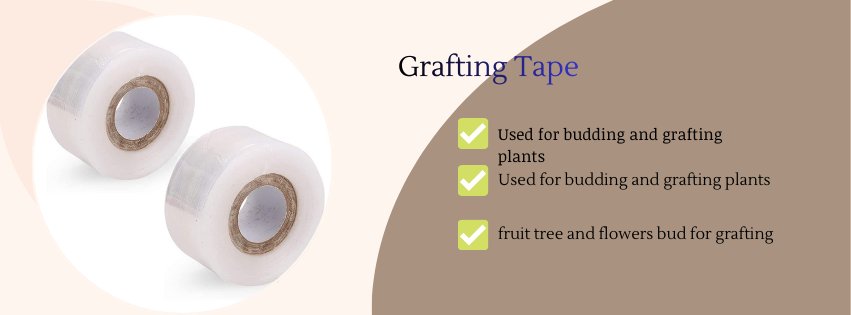
• Electrical tape, grafting tape, or soft medical tape • A stake or chopstick for support • Clean scissors or pruning shears • Soft plant ties • Optional: humidity dome for houseplants recovering indoors
Eco-safe options: • Biodegradable grafting tape • Soft jute or cotton ties • Natural bamboo stakes
Step-by-Step Guide: How to Tape a Broken Stem Correctly
1. Assess the Damage
Taping works only when the stem is:
• Bent • Cracked • Partially snapped • Still attached by some tissue
If it’s fully severed, skip to propagation instead of repairing.
2. Gently Realign the Stem
Press the broken parts together so the inner tissues touch. Don’t twist or squeeze.
3. Apply Soft, Secure Tape
Wrap the tape:
• Snug enough to hold the break • Loose enough to avoid strangling the stem • With slight overlap for strength
Electrical tape or grafting tape works well because they stretch as the plant grows.
4. Add a Support Stake
Insert a stake next to the plant and tie it loosely using soft ties. This prevents the break from bending again.
5. Reduce Stress While Healing
Over the next 1–3 weeks:
• Keep soil evenly moist • Avoid direct, harsh sun on outdoor plants • Do not fertilize until healed • Avoid moving or rotating potted plants
When the plant can stand on its own and new growth appears, it’s ready for tape removal.
How to Tell When You Should Remove the Tape
Look for these signs:
• The stem feels firm around the break • No bending or sagging when you gently support it • New leaves or growth appear above the break • The tape is starting to loosen naturally • The plant stands upright without relying solely on the stake
If you see any mold, moisture buildup, or mushy tissue, remove the tape immediately and allow the area to dry before re-taping.
Professional Tips & Best Practices
• Use breathable tape for soft-stem plants • Never wrap tightly tight tape can girdle the stem • Always stake fragile plants right after repair • Keep pets away animals often re-damage recovering plants • Check the tape every 3–4 days for signs of constriction
What beginners often miss: Stem healing happens under the tape you don’t need to test it by bending. That often re-breaks the tissue.
FAQ
Can taping a broken stem really save a plant?
Yes. If the stem is still partially attached, taping is one of the most effective rescue methods.
What happens if I leave tape on too long?
The tape can cut into the stem, restrict growth, or trap moisture that causes rot.
Should I water less while a stem heals?
Keep the soil slightly moist but never soggy. Overwatering slows healing.
Can I tape a stem that is fully broken off?
No fully severed stems should be propagated, not repaired.
Will the plant grow normally after healing?
Most do. Some even branch more vigorously after a break, similar to light pruning.
When NOT to Tape a Stem
Avoid taping when:
• The stem is completely severed • The break is mushy or infected • The plant is extremely young or fragile • The break is below soil level • The stem is hollow and collapsed (common in some ornamentals)
In these cases, propagation or pruning is safer.
Alternative Solutions
1. Propagation (Best for fully broken stems)
Take the broken piece, trim it cleanly, and root it in water or soil.
2. Splinting
For thicker stems, a splint using two sticks and tape stabilizes large breaks better.
3. Pruning
If the break is too severe, prune below the damage to encourage healthy regrowth.
Conclusion
You can safely tape a broken plant stem for 2–4 weeks, depending on how woody the plant is and how severe the damage was. Soft-stem plants heal quickly and need tape for only a week or two, while woody plants may need closer to a month.
The key is to support the stem, keep conditions gentle, and watch for signs of healing or rot.
With a little patience and proper care, most broken stems recover beautifully something every home gardener learns through experience.
