Every product is independently reviewed and selected by our editors. If you buy something through our links, we may earn an affiliate commission at no extra cost to you.
If you’ve spotted bright lime‑green clumps popping up in your lawn especially in late winter or early spring you’re dealing with Poa annua, also known as annual bluegrass. In my own backyard, Poa annua was the first weed to show up every cool season and the last to quit. It grows fast, drops thousands of seeds, and blends just enough with turf to fool beginners.
Many gardeners search for one simple fix: What kills Poa annua post-emergent without damaging grass? The answer exists but the products are turf‑specific, timing matters, and using the wrong herbicide can scorch your lawn.
This guide explains exactly what works, how to apply it, and how to avoid the most common beginner mistakes.
Why Post-Emergent Control Works (When Done Correctly)
Poa annua germinates in fall, grows through winter, and sets seed early in spring. By the time you notice it, it’s often well established. Pre-emergent is the ideal solution, but when you miss that fall window, post-emergent herbicides are your backup plan.
Post-emergent controls work by targeting metabolic pathways in Poa annua that differ from those in turfgrasses. The key is choosing a product that’s selective strong enough to damage Poa annua but safe for the grass growing around it.
In real lawns, these herbicides work slowly on purpose. Quick-kill formulas would also damage your turf. Expect yellowing and thinning of Poa annua over 10–21 days, followed by decline.
What You’ll Need Actually
Warm-season lawn owners (Bermuda, Zoysia, St. Augustine, Centipede):
- Certainty (sulfosulfuron)
- Monument (trifloxysulfuron)
- Simazine (best in cool weather)
- Revolver (for Bermuda only)
Cool-season lawn owners (Fescue, Kentucky Bluegrass, Perennial Ryegrass):
- Tenacity (mesotrione)
- Ethofumesate (PoaConstrictor regional availability)
- Velocity (pro use only; extremely effective)
Other tools:
- Backpack sprayer or pump sprayer
- Measuring syringe or scale for accurate dosing
- Gloves and eye protection
- Lawn marking dye (optional but very useful for even coverage)
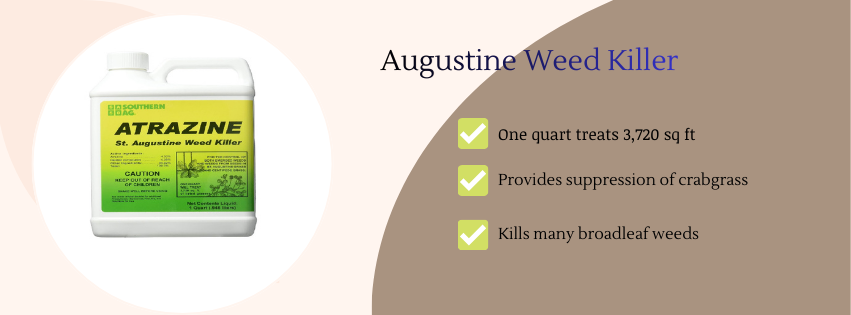
Eco-friendly note: While none of these are “organic,” they are selective and used in small, targeted amounts not blanket broad-spectrum sprays.
What Kills Poa Annua Post-Emergent (By Grass Type)
1. Post-Emergent Options for Warm-Season Lawns
Certainty (Sulfosulfuron)
My most dependable tool for Zoysia and Bermuda lawns. Safe when applied correctly.
Best for:
- Bermuda
- Zoysia
- St. Augustine (light, label-approved rates)
- Centipede
Results:
- Yellowing in 10–14 days
- Full decline in 21–28 days
Notes: Avoid applying during heat waves. It stresses warm-season turf.
Monument (Trifloxysulfuron)
Professional-grade and highly effective.
Best for:
- Bermuda
- Zoysia
Results:
- Slower but thorough kill
- Excellent on established Poa annua patches
Notes: Not for St. Augustine or Centipede.
Simazine
More forgiving for beginners.
Best for:
- St. Augustine
- Centipede
- Zoysia
- Bermuda
Best timing:
- Late fall through early spring
- Loses effectiveness in heat
Revolver (for Bermuda only)
Fastest warm-season option, used on golf greens and sports turf.
Best for:
- Bermuda (only)
Not safe for:
- Zoysia
- St. Augustine
- Centipede
2. Post-Emergent Options for Cool-Season Lawns
Tenacity (Mesotrione)
My go-to for fescue and Kentucky bluegrass lawns. Safe, beginner-friendly, and visible whitening makes it easy to track progress.
Best for:
- Tall fescue
- Kentucky bluegrass
- Perennial ryegrass
Results:
- Poa annua turns white first
- Dies slowly over several weeks
Bonus: Safe to use during overseeding.
Ethofumesate (PoaConstrictor)
Effective but needs multiple applications.
Best for:
- Fescue
- Ryegrass
Notes: More commonly used in the Pacific Northwest.
Velocity Herbicide (Pro Use Only)
One of the strongest cool-season Poa annua controls, but not sold for homeowner use.
Step-by-Step: How to Kill Poa Annua Post-Emergent Safely
1. Identify Poa Annua First
Look for:
- Lime-green tufts
- Soft leaves
- Low-growing clumps
- White seedheads even when short
2. Spray on a Mild, Calm Day
Temperature:
- Best: 50–80°F
- Avoid: Frost, heat waves, and drought‑stressed turf
Wind:
- Under 5 mph
- Drift can injure ornamentals
3. Mix Exactly According to the Label
These products are concentrated. A little too much can burn turf.
Use:
- A syringe/spoon for precise measuring
- Marking dye so you don’t double-spray an area
4. Keep Pets and Kids Off Until Dry
Usually 1–2 hours.
5. Expect Slow Results
This is normal and protects your lawn. Poa annua will turn:
- Pale green
- Yellow
- White (with Tenacity)
- Then decline over 2–3 weeks
6. Repeat in 10–14 Days if Needed
Most infestations need two rounds.
Professional Tips & Best Practices
- Don’t scalp your lawn short mowing encourages Poa germination.
- Use a surfactant only if the herbicide label allows it.
- Don’t spray drought-stressed turf; you’ll damage your grass.
- Patch any bare spots in late spring so Poa annua doesn’t recolonize.
- Adjust watering Poa thrives in damp soil.
From experience: Once I stopped my “quick daily watering” habit and switched to deeper weekly irrigation, Poa annua dropped significantly the next season.
FAQ
Will Roundup kill Poa annua?
Yes, but it will kill your grass, too. Never use non-selective herbicides on lawns.
How long does it take to kill Poa annua post-emergent?
Typically 10–21 days. Slow kill protects turfgrass from injury.
Can I use Tenacity on Bermuda or Zoysia?
No. It can severely damage warm-season grasses.
Is there an organic post-emergent for Poa annua?
No true organic option kills Poa annua selectively. Hand pulling and improving soil conditions help but won’t fully eradicate it.
When is the best time to spray post-emergent?
Late fall through early spring, when Poa annua is small and actively growing.
When NOT to Use Post-Emergent Herbicides
Avoid spraying if:
- The lawn is newly seeded or sod (under 8–12 weeks old)
- Turf is stressed from heat, drought, or cold
- You’re unsure of your grass type
- Rain is expected within 24 hours
For very heavy infestations, post-emergent alone may not give complete control you’ll need fall pre-emergent next season.
Alternative Methods
1. Pre-Emergent in Fall (Most Effective Long-Term)
Prevents 70–90% of Poa annua germination.
2. Manual Removal (Small Yards)
Works but slow and incomplete.
3. Lawn Renovation
Best if Poa annua has taken over 40–50% of the turf.
Conclusion
Understanding what kills Poa annua post-emergent comes down to matching the right herbicide to your grass type and applying it at the right time. Products like Certainty, Monument, Tenacity, and Simazine offer selective control that removes Poa annua while protecting your lawn.
With careful application, mild weather, and follow-up treatments, your lawn will thicken and the Poa annua patches will fade. Combine this with fall pre-emergent, and you’ll notice a dramatic improvement next year.
