Every product is independently reviewed and selected by our editors. If you buy something through our links, we may earn an affiliate commission at no extra cost to you.
Choosing the right clove is the first step toward a successful garlic harvest. When fall planting season arrives, not all garlic varieties perform the same, and selecting the best garlic for fall planting can make a noticeable difference in bulb size, flavor, and winter survival. Climate, soil conditions, and growing time all influence which garlic thrives in colder months. From hardy types that tolerate frost to flavorful options prized by home gardeners, understanding your choices helps set the stage for strong root development and a rewarding harvest in the months ahead.
Leafy Greens (Easiest to Start With)
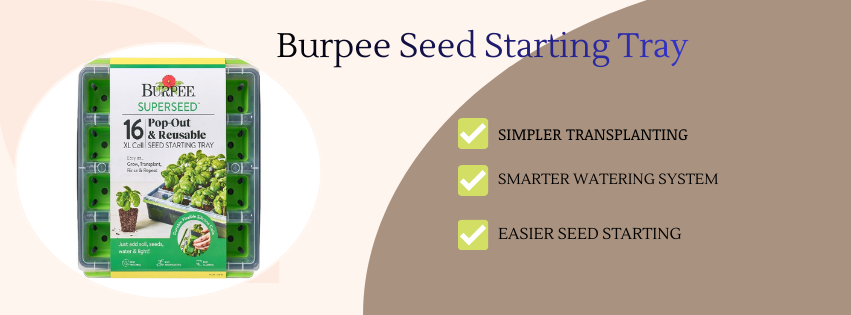
These thrive in lower light and cooler indoor temperatures perfect for windowsills or under LED grow lights.
- Lettuce (especially loose-leaf types like ‘Black-Seeded Simpson’ or ‘Buttercrunch’)
- Light: 10–12 hours of bright light daily.
- Harvest: Begin cutting outer leaves after 4–5 weeks.
- Spinach – Compact and fast-growing; prefers cooler rooms (60–65°F).
- Kale (dwarf or baby kale types) – Slow but steady growth under strong light.
- Arugula – Thrives in containers; ready to harvest in under a month.
Pro Tip: Use wide, shallow containers with at least 4–6 inches of soil and keep the surface consistently moist, not soggy.
Root Vegetables (Compact Varieties Only)
Root crops can be grown indoors if you choose short types that mature quickly.
- Radishes – The easiest indoor root crop; grow well in 6-inch-deep pots.
- Baby Carrots – Choose “Thumbelina” or “Parisian” types; need 8 inches of soil depth.
- Green onions (scallions) – Perfect for windowsills; regrow from grocery-store roots or plant sets.
In my experience: Root crops need uniform moisture and loose, fluffy soil. I often blend organic potting mix with fine compost and a bit of perlite for airiness.
Herbs (Technically Not Vegetables, but Essential Companions)
Most indoor vegetable growers incorporate herbs because they help create a healthy microclimate and are incredibly rewarding.
- Basil – Needs strong light (south-facing window or LED grow light).
- Parsley & Cilantro – Grow well in cooler rooms.
- Chives – Perennial, easy to regrow after cutting.
Try a mixed herb planter near your kitchen window—it thrives with regular harvesting.
Fruiting Vegetables (Advanced but Possible Indoors)
These need intense light (grow lights are usually essential) and consistent warmth.
- Cherry Tomatoes – Choose compact varieties like ‘Tiny Tim’ or ‘Micro Tom’.
- Peppers – Smaller sweet or hot peppers can grow indoors if kept warm (70–80°F).
- Bush Beans – Fast and productive but require plenty of space and bright light.
Tip from real homes: Tomatoes and peppers often thrive near bright patio doors or under full-spectrum LED grow panels. A small oscillating fan nearby mimics wind and helps pollination.
Essential Setup for Indoor Vegetable Gardening
| Tool / Material | Why It’s Needed | Organic Benefit | Sustainability Consideration |
| Organic potting mix | Provides balanced nutrition and good drainage | Avoids chemical fertilizers and soil-borne diseases | Compost or reuse after sterilizing between crops |
| Containers with drainage | Prevents root rot | Clay or recycled plastic pots breathe better | Choose durable, reusable containers |
| LED grow lights | Ensures consistent light in winter or shady rooms | Energy-efficient and full-spectrum | Long lifespan, low energy use |
| Compost or organic fertilizer | Maintains nutrient levels | Supports soil microbes | Look for OMRI-certified options |
| Humidity tray or pebble tray | Helps maintain moisture near plants | Reduces transplant shock | Refillable, low-waste option |
Light and Temperature Tips
- Windows: South-facing is best in northern states; east or west-facing in the South.
- Grow Lights: Use a timer for 12–14 hours daily; keep lights 6–12 inches above plants.
- Temperature: Most veggies thrive around 65–75°F with moderate humidity. Avoid drafty windows in winter.
Realistic Indoor Growing Examples
- Small Urban Apartment: A two-tier shelf under LED lights can yield a steady supply of lettuce, herbs, and radishes.
- Suburban Kitchen Window: Basil, parsley, and green onions thrive with morning sun and weekly compost tea feeding.
- Basement or Garage Setup: With proper grow lights and airflow, you can grow salad greens year-round even in snowy climates like Minnesota.
Common Mistakes must be Avoid
- Using garden soil indoors – It compacts easily and harbors pests.
- Overwatering – Roots suffocate quickly in enclosed containers.
- Ignoring light needs – Weak light = spindly, flavorless greens.
- Neglecting airflow – Leads to mildew or fungus gnats.
Sustainability & Health Benefits
Growing vegetables indoors reduces food miles and packaging waste while improving indoor air quality. Living greenery also supports mental well-being, something I’ve seen time after time when clients convert part of their kitchen or office into a mini edible garden.
Stick to non-toxic, organic potting materials and wash hands after handling soil to keep your indoor environment healthy for pets and kids.
Final Takeaway
If you’re new to indoor gardening, start with leafy greens and herbs. Once you’ve mastered light, watering, and airflow, experiment with compact tomatoes, peppers, or carrots. Every small indoor harvest is a step toward a more mindful, sustainable home environment.Would you like me to create a seasonal indoor planting calendar (by U.S. region and light level)? That’s something many of my clients find useful to plan year-round harvests indoors.
