Every product is independently reviewed and selected by our editors. If you buy something through our links, we may earn an affiliate commission at no extra cost to you.
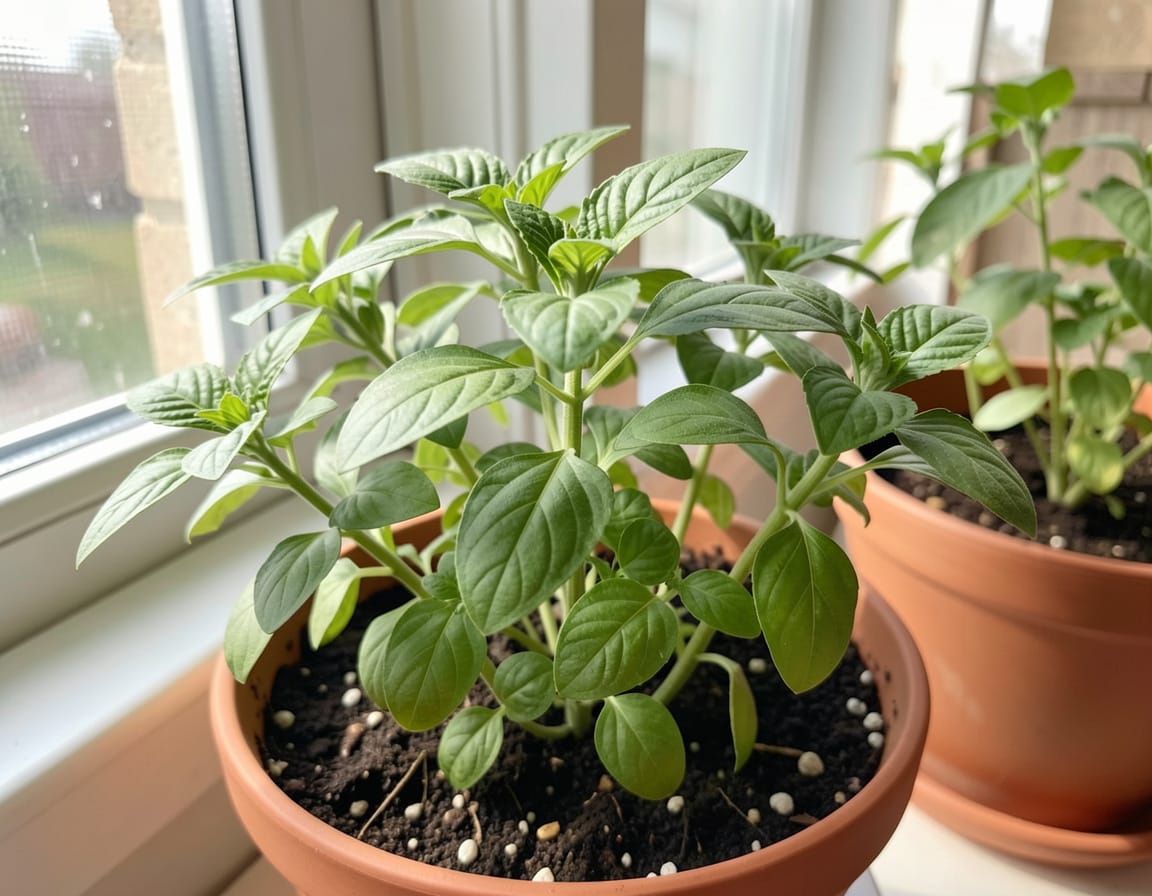
For beginners and busy plant lovers, indoor herbs offer fresh flavor with minimal effort. Some herbs thrive with basic light, simple watering, and little maintenance. Choosing the right herb makes indoor gardening enjoyable, rewarding, and practical perfect for kitchens, windowsills, and small living spaces year-round.
Easiest Herbs to Grow Indoors (Ranked from Most Forgiving to Slightly More Demanding)
| Herb | Why It’s Easy | Growing Tips | Best Use |
| Mint | Thrives in average light, tolerates inconsistent watering | Keep soil evenly moist; trim often to prevent legginess | Teas, cocktails, salads |
| Chives | Regrows continuously after cutting | Place in bright light; water when top inch of soil is dry | Eggs, soups, potatoes |
| Parsley | Adapts well to indoor light; slow but steady grower | Prefers consistent moisture and bright indirect light | Garnish, sauces, pesto |
| Basil | Quick and rewarding, but needs strong light | South-facing window or full-spectrum grow light; pinch tops | Caprese, pasta dishes |
| Oregano | Hardy and drought-tolerant | Let soil dry slightly between watering | Mediterranean cooking |
| Thyme | Compact, aromatic, resists pests | Requires bright light; avoid soggy soil | Roasted vegetables, meats |
| Cilantro | Fast to germinate, quick harvest | Cooler temps (60–70°F); plant in succession every few weeks | Salsas, soups, salads |
My Top Three for Beginners
- Mint – practically unkillable, grows in water or soil.
- Chives – easy to keep healthy year-round in a bright kitchen.
- Basil – the most satisfying if you have enough light.
Practical Indoor Herb Setup Tips
Light
- Place herbs in a south- or west-facing window for 6–8 hours of light daily.
- If natural light is limited, use a full-spectrum LED grow light for 12–14 hours/day.
Containers
- Use 6–8 inch pots with drainage holes.
- Choose unglazed terracotta or ceramic pots they breathe better than plastic.
Water & Soil
- Well-draining organic potting mix with compost and perlite.
- Water when the top inch of soil is dry (more for mint and parsley, less for thyme and oregano).
- Never leave pots sitting in water herbs dislike soggy roots.
Temperature
- Most herbs prefer 60–75°F.
- Avoid cold drafts and direct air from heating vents.
Harvesting
- Snip regularly to encourage branching and delay flowering.
- Never remove more than one-third of the plant at a time.
Example Indoor Setup (Real Client Scenario)
In a small New York kitchen, we placed:
- Mint and chives in a shared trough planter on a bright sill.
- Basil under a clip-on LED grow light.
- A simple drip tray lined with pebbles to prevent water mess.
Even with winter light levels, those three herbs produced fresh sprigs all season.
Sustainable Tip
Use organic, untreated seeds or starter plants, and compost spent trimmings. Herbs grown indoors are pesticide-free, low-waste, and a great introduction to organic gardening.
If you’re brand new to indoor growing, start with mint—it’s the most forgiving. If you have strong light, add basil. For a low-maintenance combo, grow mint, chives, and parsley together on your kitchen windowsill, and you’ll have fresh, chemical-free flavor all year.
