Every product is independently reviewed and selected by our editors. If you buy something through our links, we may earn an affiliate commission at no extra cost to you.
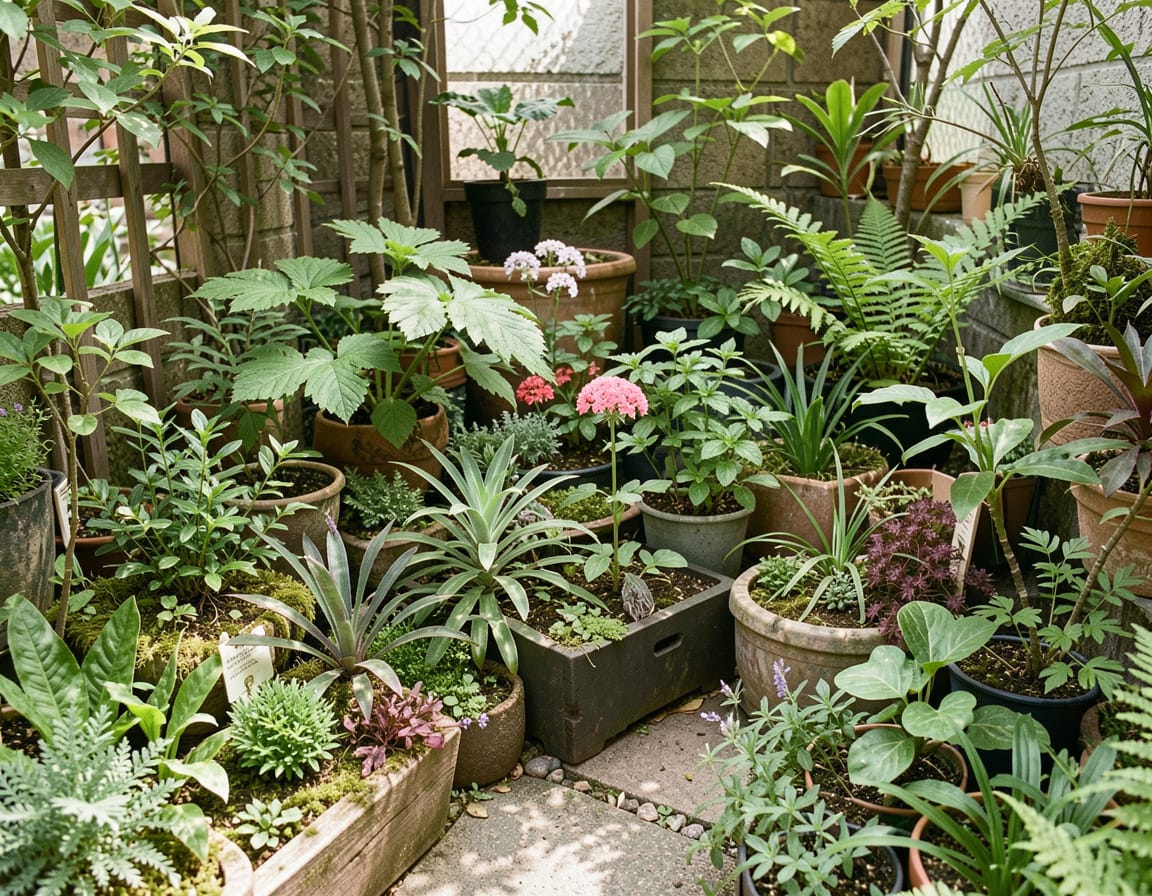
Rooted in simplicity and balance, Japanese plants offer calm beauty without overwhelming limited areas. From compact foliage to slow-growing varieties, these plants fit perfectly in apartments, balconies, or cozy rooms, bringing a sense of zen, elegance, and natural harmony into small living spaces.
Guiding Principles (Before Choosing Plants)
- Simplicity over abundance. Japanese style favors a few strong, graceful shapes over a crowd of plants. One healthy, well‑placed specimen often looks far more elegant than five small ones.
- Harmony with the environment. Choose plants that fit your natural light and climate rather than forcing exotics to survive under stress.
- Texture and form. Combine varying leaf sizes and shades of green not bright blooms to create visual depth in small spaces.
- Natural materials. Use ceramic, clay, or stone planters in neutral tones; avoid plastic or high‑gloss finishes.
Best Japanese Plants for Small Spaces
1. Japanese Maple (Acer palmatum) Dwarf Varieties
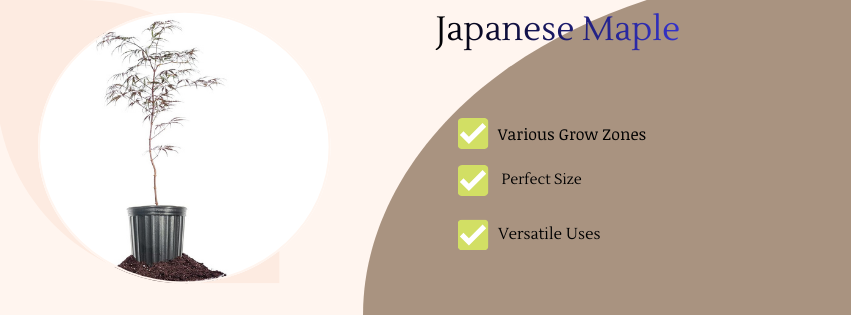
- Why it works: Compact cultivars like ‘Red Pygmy’ or ‘Kiyohime’ stay under 5 ft tall in containers.
- Light: Bright indirect to full morning sun; protect from harsh afternoon sun in hot climates.
- Care: Keep evenly moist, never soggy.
- Design note: A single maple in a ceramic pot makes a beautiful focal point near an entry or balcony.
2. Bamboo Dwarf or Clumping Types
- Why it works: Symbol of resilience and grace; brings upright texture to small courtyards or balconies.
- Best types: Pleioblastus pygmaeus (dwarf), Bambusa multiplex ‘Alphonse Karr’ (clumping).
- Light: Bright light to partial sun.
- Care: Water regularly; avoid allowing roots to dry out in containers.
- Tip: Always use clumping, not running, varieties to avoid spread.
3. Japanese Forest Grass (Hakonechloa macra)
- Why it works: Low mounding form with flowing, bright green or golden leaves that move gently in air currents.
- Light: Prefers partial shade.
- Care: Keep soil moist and rich in organic matter.
- Use: Excellent under a container maple or along a shaded patio edge.
4. Fatsia Japonica (Japanese Aralia)
- Why it works: Broad, glossy leaves bring a tropical‑Japanese feel indoors or on shaded patios.
- Light: Bright indirect or dappled shade.
- Care: Water when the top inch of soil is dry.
- Size: Grows 2–4 ft tall in pots — manageable for small apartments.
5. Nandina domestica (Heavenly Bamboo)
- Why it works: Fine, airy foliage turns red‑bronze in fall; upright growth suits narrow spots.
- Light: Full to partial sun.
- Care: Moderate water; drought‑tolerant once established.
- Note: Non‑invasive and container‑friendly, despite the name “bamboo.”
6. Japanese Ferns and Mosses
- Species: Athyrium niponicum (Japanese painted fern), Polystichum polyblepharum (tassel fern).
- Why they work: Add softness and texture to shaded corners or bathroom windowsills.
- Care: Consistent moisture and humidity; avoid direct sun.
- Pairing: Combine with a small rock or wood accent for a classic moss‑fern vignette.
7. Bonsai Trees
- Why it works: Distills the entire essence of a Japanese garden into a tabletop scale.
- Good species for beginners: Juniper, boxwood, ficus, or dwarf jade.
- Care: Needs strong light and careful watering — not a low‑maintenance option, but unmatched for character.
- Tip: Place near a bright window or under a full‑spectrum grow light; avoid hot, dry vents.
8. Camellia Japonica (Dwarf Varieties)
- Why it works: Traditional winter‑blooming shrub with glossy evergreen leaves.
- Size: Compact cultivars like ‘Setsugekka’ grow well in large pots.
- Light: Morning sun, afternoon shade.
- Care: Acidic, well‑draining soil and consistent moisture.
- Bonus: Adds subtle seasonal bloom without overwhelming the space.
How to Arrange Them in Small Spaces
| Space Type | Recommended Combination | Design Hint |
| Apartment balcony | Dwarf maple + forest grass + small stone | Keep color palette natural and use different pot heights |
| Entryway nook | Fatsia Japonica + bamboo or snake grass | Use a single large ceramic pot for vertical balance |
| Indoor corner | Aralia + painted fern | Layer textures; one glossy, one delicate |
| Kitchen window | Moss bowl + miniature bonsai | Keep proportions small and simple |
Proven Pairings I Often Recommend
- Japanese maple + Hakonechloa grass → classic, calm contrast of upright and flowing forms.
- Fatsia + fern → lush green shade composition.
- Nandina + stone lantern accent → structured yet soft entry arrangement.
Practical Care Notes for U.S. Homes
- Many Japanese species appreciate humidity, so mist occasionally or group plants.
- Use organic, well‑draining soil and feed lightly with compost tea or seaweed extract in spring.
- In cold regions, overwinter container plants indoors near bright windows or in an unheated garage with protection from frost.
Final Thought
For Japanese‑style small spaces, aim for fewer plants, more presence. A single, healthy dwarf maple or a well‑shaped aralia in a simple pot, paired with a smooth stone or bamboo accent, will look far more peaceful than a crowded row of mixed houseplants.
