Every product is independently reviewed and selected by our editors. If you buy something through our links, we may earn an affiliate commission at no extra cost to you.
Choosing which plant is best for a main door entrance goes beyond decoration it sets the tone for your entire home. The right plant can create a welcoming first impression, enhance curb appeal, and even support positive energy. Understanding plant placement, light conditions, and symbolism helps you select an entrance plant that truly stands out.
Best Plants for a Main Door Entrance (by Light & Climate)
1. Fiddle Leaf Fig (Ficus lyrata) for bright, protected entries
- Look: Tall, sculptural tree with large glossy leaves; an instant statement.
- Light: Needs very bright, indirect light perfect near a glass-paneled front door or bright foyer.
- Care: Water when the top inch of soil is dry; keep away from heating/AC vents.
- Tip: In colder regions, keep it just inside the entry, not directly against the door glass.
2. Snake Plant (Sansevieria trifasciata) for low-light or drafty entrances
- Look: Upright, architectural leaves that suit modern entryways.
- Light: Thrives in almost any light level full sun to low light.
- Care: Very low maintenance; water sparingly.
- Bonus: Excellent air purifier and resilient to neglect.
- Sustainability note: Long-lived and rarely needs repotting, so low waste.
3. Peace Lily (Spathiphyllum) for shaded, covered entrances
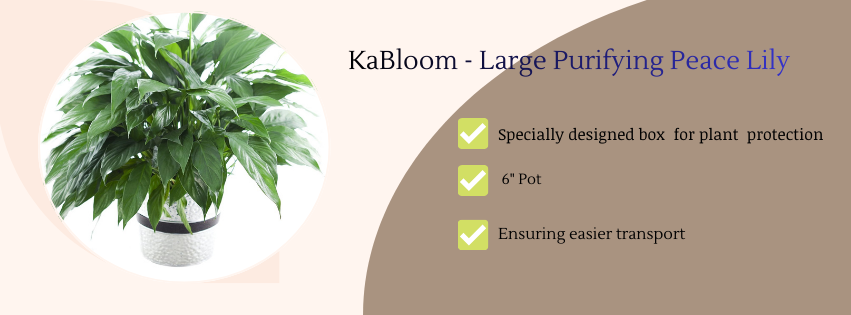
- Look: Lush green foliage with elegant white blooms.
- Light: Medium to low light; ideal if your door faces north or is shaded by a porch.
- Care: Keep soil evenly moist but not wet.
- Eco benefit: Naturally filters indoor air pollutants like formaldehyde and benzene.
4. Areca Palm (Dypsis lutescens) for warm, well-lit entrances
- Look: Soft, feathery fronds that move gently in air currents feels tropical and welcoming.
- Light: Bright, indirect light; avoid cold drafts.
- Care: Water when the top inch of soil is dry; mist occasionally for humidity.
- Design tip: Works beautifully in pairs flanking a doorway.
5. Rubber Plant (Ficus elastica) for year-round structure
- Look: Broad, shiny leaves (green or burgundy) that add instant polish.
- Light: Medium to bright indirect light.
- Care: Water moderately; wipe leaves monthly to keep their shine.
- Durability: Very forgiving — ideal for busy households.
6. Dwarf Schefflera (Schefflera arboricola) for intermediate light
- Look: Umbrella-like clusters of leaves; lush but tidy.
- Light: Bright indirect or partial sun.
- Care: Water when topsoil feels dry; avoid overwatering.
- Bonus: Adapts easily to indoor or semi-outdoor thresholds.
7. Boxwood (for outdoor containers)
If your doorway leads directly outdoors and gets natural sunlight, boxwood topiaries in containers are timeless. They’re hardy, evergreen, and can be shaped neatly. Choose organically grown specimens, and use untreated terracotta or ceramic pots for sustainability.
How to Choose for Your Entryway
Ask yourself three quick questions:
- How much natural light hits this spot daily?
- Full sun: boxwood, small olive tree, or rosemary.
- Bright indirect: fiddle leaf fig, rubber plant, areca palm.
- Low light: snake plant, peace lily.
- Is this area exposed to temperature swings?
- If yes, stick to hardy options like snake plant or rubber plant.
- Do you prefer a pair or single feature plant?
- Pairs create symmetry. A single, dramatic plant creates focus.
Real Example
In a Seattle home I worked on, we placed two rubber plants in matte clay pots just inside a glazed front door. The space had morning sun but was cool in winter. Those plants have held their shape for over three years, needing only monthly dusting and a single repotting.
In contrast, a client in Austin used twin areca palms flanking an open outdoor entrance a warm, humid climate and they’ve thrived year-round with weekly watering and organic compost refreshes each spring.
Expert Tip for Any Plant by the Front Door
Mix a bit of slow-release organic fertilizer into the potting mix once every 3–4 months, and check for airflow around the plant stagnant air near a closed foyer often leads to pest issues. A small oscillating fan or open transom vent helps.
